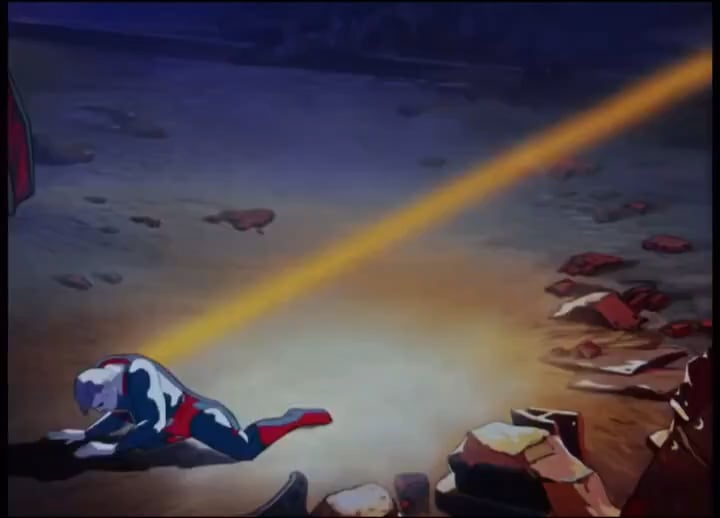
The animation for the first Superman Cartoon was incredibly smooth (1941)
The Secret Behind the Incredibly Smooth Animation of the First Superman Cartoon (1941)
In the golden age of animation, one series stood out for its groundbreaking visuals and jaw-dropping fluidity: The Fleischer Studios’ Superman cartoons. Premiering in 1941, these 17 animated shorts not only brought the Man of Steel to life for the first time but also revolutionized the industry with their remarkably smooth animation. Decades later, fans and historians still marvel at how these early cartoons achieved a level of polish rarely matched even by modern standards. What made this animation so revolutionary? Let’s dive into the magic behind the scenes.
The Fleischer Brothers: Masters of Innovation
Produced by Max and Dave Fleischer (creators of Betty Boop and Popeye), the Superman series leveraged cutting-edge techniques and an unprecedented budget to ensure fluid motion. While most cartoons of the era relied on limited animation to save costs, the Fleischers prioritized quality over speed, thanks to a lucrative deal with Paramount Pictures. Each short cost an astonishing $50,000—equivalent to nearly $1 million today—allowing animators to focus on detail and realism.
The Technical Wizardry: Rotoscoping & 3D Depth
The secret weapon behind Superman’s lifelike movements was rotoscoping, a technique where animators traced over live-action footage frame by frame. Actor Bud Collyer (the voice of Superman) and circus performer George Denny performed stunts in costume, providing reference material for the animators. This resulted in Superman’s iconic flying sequences and dynamic action scenes flowing with uncanny realism.
Additionally, Fleischer Studios pioneered the stereoptical process, a 3D camera setup that combined hand-drawn characters with modeled miniature backgrounds. This system created depth and perspective, making Metropolis skyscrapers and explosions feel immersive. The effect was so advanced that critics compared it to watching a “moving comic book.”
Why the Animation Still Holds Up Today
- Higher Frame Rates: While most animations of the 1940s used 12–15 frames per second (fps) to cut costs, the Superman series often hit 24 fps, matching the fluidity of live-action film.
- Attention to Detail: From the ripple of Superman’s cape to the subtle shadows in urban scenes, every movement was meticulously crafted.
- Cinematic Lighting: The use of chiaroscuro (dramatic light/dark contrasts) and dynamic camera angles gave the series a film noir aesthetic rarely seen in cartoons.
Iconic Scenes That Showcased the Animation
- Superman’s First Flight: The opening sequence of the debut short, Superman (1941), stunned audiences with its seamless aerial acrobatics.
- Transformation Sequences: Clark Kent’s quick changes into Superman were depicted with whip-pan transitions and motion blurs—a visual feat for the time.
- Epic Battles: Superman’s fights against robots, dinosaurs, and mad scientists featured complex physics, such as debris scattering and weighty impacts.
Legacy: Inspiring Generations of Animators
The Fleischer Superman cartoons set a new standard for animated storytelling, influencing giants like Disney (Sleeping Beauty) and Warner Bros. (Batman: The Animated Series). Even modern superhero films, from Spider-Verse to The Iron Giant, owe a debt to their pioneering blend of dynamic motion and cinematic artistry.
Conclusion
The 1941 Superman cartoons remain a masterclass in animation, proving that technical innovation and artistic passion can create timeless works. While CGI dominates today’s superhero genre, the handcrafted elegance of Fleischer’s vision reminds us that smooth animation isn’t just about technology—it’s about dedication to the craft. As Superman himself soared above Metropolis, these cartoons soared above their era, leaving a legacy that still dazzles 80 years later.
Keywords for SEO:
1941 Superman cartoon, Fleischer Studios animation, rotoscoping technique, golden age animation, vintage Superman, stereoptical process, Bud Collyer Superman, classic animation techniques, history of animation.
By exploring the artistry behind these iconic shorts, we gain a deeper appreciation for how the Man of Steel’s first animated adventures changed the industry—and why they still fly high in the hearts of fans worldwide.