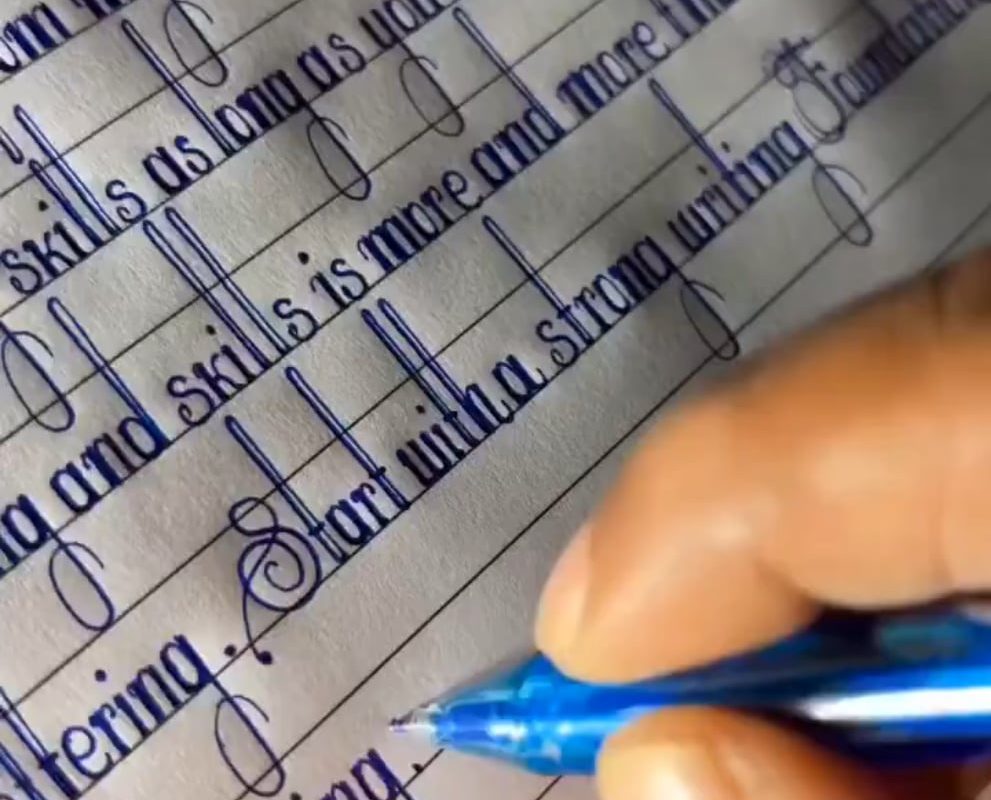
The art of calligraphy
The Art of Calligraphy: A Timeless Craft of Beauty and Expression
Calligraphy, the ancient art of beautiful writing, has captivated humanity for millennia. From sacred manuscripts to modern wedding invitations, calligraphy transcends mere handwriting—it is a dance of ink, rhythm, and intention. In this guide, we’ll explore the rich history, diverse styles, tools, and techniques of calligraphy, along with tips to help you begin your own creative journey.
What is Calligraphy?
Calligraphy (from Greek kallos “beauty” + graphe “writing”) is the artistic practice of creating elegant, stylized lettering by hand. Unlike everyday handwriting, calligraphy emphasizes form, balance, and aesthetic harmony. It is both a meditative discipline and a versatile skill, used in:
- Artistic expression (poetry, standalone artworks)
- Functional design (logos, branding, invitations)
- Cultural preservation (religious texts, historical documents)
A Brief History of Calligraphy
Calligraphy’s roots stretch back to ancient civilizations, evolving uniquely across cultures:
1. Chinese Calligraphy (Shūfǎ 书法)
- Emerged over 3,000 years ago during the Shang Dynasty.
- Regarded as one of China’s highest art forms, blending philosophy (Daoism, Confucianism) with brushwork.
- Styles include Seal Script, Clerical Script, and Cursive Script.
2. Islamic Calligraphy
- Flourished alongside Islam’s prohibition of figurative art, making text the primary visual medium.
- Uses Arabic script to adorn mosques, Qur’ans, and decorative arts.
- Famous styles: Kufic (angular) and Naskh (cursive).
3. Western Calligraphy
- Developed in medieval Europe through illuminated manuscripts (e.g., Book of Kells).
- Key scripts: Gothic (Blackletter), Italic, and Copperplate (popular for formal invitations).
4. Japanese Calligraphy (Shodō 書道)
- Influenced by Chinese traditions but distinct in its minimalism and Zen principles.
- Styles range from precise Kaisho to expressive Sōsho.
Popular Calligraphy Styles Today
1. Traditional Styles
- Copperplate: A fluid, pointed-pen style with dramatic thick and thin strokes.
- Uncial: Rounded, majestic letters from early Christian manuscripts.
- Italic: Slanted, elegant script ideal for speed and readability.
2. Modern Calligraphy
- A freer, adaptable approach using brushes, markers, or digital tools.
- Prioritizes personal expression over strict rules, often blending styles.
3. East Asian Brush Calligraphy
- Created with ink brushes on rice paper or silk.
- Focuses on the energy (qi) of each stroke.
Essential Calligraphy Tools
To start, you’ll need these basics:
1. Nibs & Holders
- Pointed nibs: Flexible tips for Copperplate or Spencerian scripts.
- Broad-edge nibs: Flat tips for Gothic or Italic styles.
2. Ink
- India ink: Dense, waterproof, and ideal for paper.
- Sumi ink: Traditional Japanese ink with rich black pigment.
3. Paper
- Choose smooth, bleed-resistant paper (e.g., Rhodia, Canson Marker Pad).
4. Guides & Practice Sheets
- Printed guidelines help maintain consistent slant and spacing.
Pro Tip: Beginners can start with brush pens (e.g., Tombow Fudenosuke) for hassle-free practice.
Mastering Basic Techniques
1. Posture & Grip
- Sit upright with your forearm resting lightly on the table.
- Hold the pen at a 45-degree angle for flexible strokes.
2. Pressure Control
- Apply pressure on downstrokes (thick lines) and lift on upstrokes (thin lines).
3. Consistency
- Practice foundational strokes (overturns, underturns) before full letters.
4. Patience & Practice
- Dedicate 15–30 minutes daily to drills and alphabets.
Why Learn Calligraphy? 5 Key Benefits
- Mindfulness: The rhythmic flow of writing calms the mind, reducing stress.
- Creativity: Experiment with colors, layouts, and flourishes.
- Personalized Gifts: Create unique cards, quotes, or wedding stationery.
- Professional Edge: Stand out in design, branding, or social media content.
- Cultural Connection: Deepen appreciation for global artistic traditions.
Tips for Beginners
- Start Simple: Master one script (e.g., Foundational Hand) before exploring others.
- Watch Tutorials: Follow YouTube artists like The Happy Ever Crafter or Señorita Leal.
- Join Communities: Share work on Instagram (#ModernCalligraphy) or Reddit’s r/Calligraphy.
- Embrace Mistakes: Blotches and wobbles are part of the learning curve!
Conclusion
Calligraphy is more than an art—it’s a bridge between past and present, discipline and freedom. Whether you’re drawn to the precision of Gothic lettering or the spontaneity of brush calligraphy, this timeless craft invites you to slow down, create beauty, and leave your mark on the world. Ready to pick up a pen? Your journey into the art of calligraphy starts now.
Meta Description: Discover the art of calligraphy—its history, styles, tools, and techniques. Learn how to start this mindful craft and create stunning hand-lettered art. Perfect for beginners!
Target Keywords:
- Calligraphy for beginners
- History of calligraphy
- Calligraphy tools and techniques
- Modern vs. traditional calligraphy
- How to start calligraphy
By blending historical insight with actionable advice, this guide aims to inspire and empower aspiring calligraphers while ranking high for SEO-driven searches about this elegant art form. Happy writing! ✒️