The art of wood joinery
Title: Unlocking Timeless Craftsmanship: The Art of Wood Joinery Explained
Meta Description: Discover the history, techniques, and benefits of wood joinery – the ancient art of creating sturdy, beautiful connections without nails or screws. Perfect for woodworkers and DIY enthusiasts!
Introduction
Wood joinery is the soul of fine woodworking, transforming raw timber into enduring masterpieces. For centuries, artisans have relied on precise cuts, angles, and friction to create bonds that outlast fasteners like nails or screws. In this guide, we’ll explore wood joinery’s rich history, essential techniques, and why mastering this craft elevates furniture from functional to extraordinary.
What is Wood Joinery?
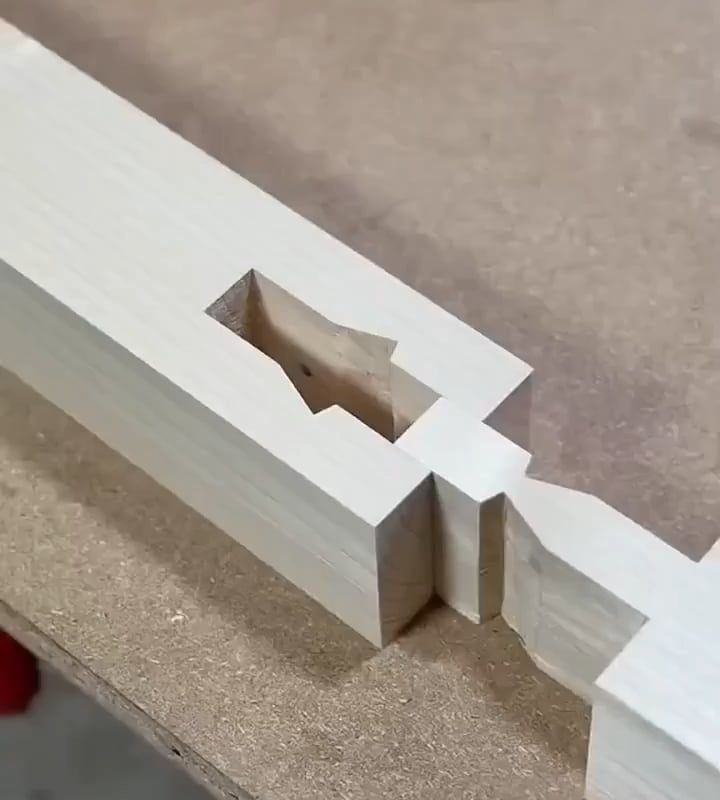
Wood joinery refers to the methods used to connect two or more pieces of wood without relying solely on external hardware. From ancient Egyptian sarcophagi to modern Shaker furniture, these techniques prioritize strength, aesthetics, and longevity. Unlike metal fasteners, which can rust or weaken over time, well-crafted joints distribute stress evenly and adapt to wood’s natural movement.
Why Choose Joinery Over Nails or Screws?
- Durability: Joints like dovetails or mortise-and-tenon can last centuries.
- Aesthetics: Seamless connections highlight wood’s natural beauty.
- Strength: Properly fitted joints resist pulling and twisting forces.
- Sustainability: Reduces reliance on plastics or metals.
Essential Types of Wood Joints
1. Butt Joint
- Description: The simplest joint, where two pieces meet end-to-end or at a corner.
- Uses: Framing, basic DIY projects.
- Pros: Easy for beginners.
- Cons: Weak without reinforcement (glue, screws).
2. Dovetail Joint
- Description: Interlocking trapezoidal pins and tails resembling a dove’s tail.
- Uses: Drawer construction, high-end cabinetry.
- Pros: Extremely strong, visually striking.
- Cons: Requires precision and practice.
3. Mortise and Tenon
- Description: A rectangular peg (tenon) fits into a hole (mortise).
- Uses: Tables, chairs, doors.
- Pros: Legendary durability; ideal for vertical loads.
4. Box Joint (Finger Joint)
- Description: Rectangular “fingers” interlock like puzzle pieces.
- Uses: Boxes, corners, decorative pieces.
- Pros: Strong glue surface; easier than dovetails.
5. Lap Joint
- Description: Overlapping wood pieces with notches.
- Uses: Picture frames, rustic furniture.
- Pros: Simple; distributes weight well.
6. Biscuit Joint
- Description: Football-shaped wood chips (biscuits) swell with glue in slots.
- Uses: Aligning tabletops or panels.
- Pros: Quick, hidden reinforcement.
Advanced Joinery Techniques
- Japanese Joinery (Kigumi): Intricate, interlocking joints used in temples, often requiring no glue.
- Through vs. Blind Joints: Through joints (visible) add decoration; blind joints (hidden) prioritize subtlety.
- Compound Angles: Mastering bevels and miters for complex furniture.
Tools of the Trade
- Hand Tools: Chisels, saws, mallets (ideal for traditionalists).
- Power Tools: Router, table saw, biscuit joiner (speeds up precision).
- Hybrid Approach: Combine hand-cut details with machine efficiency.
Tips for Perfect Joinery
- Measure Twice, Cut Once: Accuracy is non-negotiable.
- Grain Direction Matters: Align wood fibers to prevent splitting.
- Test Cuts: Practice on scrap wood before final assembly.
- Sharp Tools: Dull blades tear wood, ruining tight fits.
The Benefits of Mastering Joinery
- Pride in Craftsmanship: Each joint reflects patience and skill.
- Custom Creations: Build heirloom-quality furniture tailored to your vision.
- Problem-Solving Skills: Adapt joints to unique designs or repairs.
Conclusion: Keep the Tradition Alive
Wood joinery bridges past and present—transforming timber into timeless art. Whether you’re a hobbyist crafting a bookshelf or a pro restoring antique furniture, mastering these techniques unlocks new levels of creativity and quality. Start with simple butt joints, build to dovetails, and let every cut honor this age-old craft.
Call to Action: Ready to dive deeper? Share your first joinery project in the comments, or explore our guides on Choosing the Best Wood for Joinery and Must-Have Joinery Jigs!
Target Keywords:
- Wood joinery techniques
- Types of wood joints
- Traditional wood joinery
- Dovetail joint tutorial
- Strong woodworking joints
Internal Linking Opportunities:
- “How to Choose Wood for Woodworking Projects”
- “Top 5 Hand Tools for Precision Joinery”
- “Beginner’s Guide to Japanese Joinery”
By balancing history, practical advice, and SEO-friendly structure, this article aims to rank for woodworking enthusiasts while inspiring them to embrace joinery’s artistry.