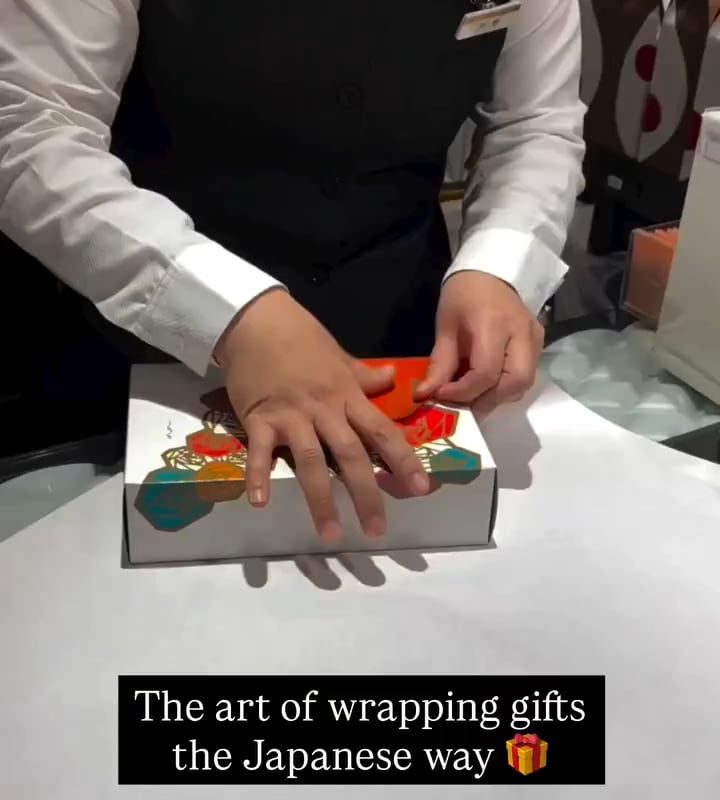
The art of wrapping gifts the Japanese way.
Title: Mastering the Art of Gift Wrapping the Japanese Way: Tradition, Elegance, and Mindfulness
Meta Description: Discover the Japanese art of gift wrapping—rooted in intention, sustainability, and beauty. Learn techniques like furoshiki and how to infuse mindfulness into your gifts.
Introduction
In Japan, gift-giving is more than a social gesture—it’s a profound expression of respect, gratitude, and connection. Central to this practice is the art of wrapping, where the presentation is as meaningful as the gift itself. Japanese gift wrapping blends aesthetics, tradition, and philosophy, turning simple parcels into works of art. From the timeless folds of furoshiki cloth to the delicate textures of washi paper, every detail carries intention. Let’s explore the secrets of wrapping gifts the Japanese way.
The Philosophy Behind Japanese Gift Wrapping
Japan’s approach to wrapping is deeply rooted in cultural values:
- Wabi-Sabi: Embracing imperfection and transience.
- Mottainai: Avoiding waste by repurposing materials.
- Omotenashi: The spirit of selfless hospitality, where care is evident in every fold.
Unlike Western gift wrap (often discarded instantly), Japanese wrapping prioritizes sustainability and mindfulness, transforming packaging into an enduring part of the gift.
Key Materials & Tools
Japanese gift wrapping relies on natural, tactile materials:
- Furoshiki: Reusable fabric squares (often silk or cotton) used for wrapping everything from bento boxes to bottles. Patterns range from minimalist to seasonal motifs.
- Washi Paper: Handmade paper crafted from mulberry fibers, prized for its strength and organic texture.
- Mizuhiki: Decorative cords made of rice paper, tightened into intricate knots symbolizing bonds and good fortune.
- Origami-Inspired Embellishments: Simple paper cranes or flowers add symbolic flair.
Step-by-Step: Furoshiki Wrapping Techniques
Furoshiki is a cornerstone of Japanese wrapping—eco-friendly and versatile. Try these beginner-friendly styles:
1. Basic Carry Wrap (Otsukai Tsutsumi)
- Lay furoshiki flat, place the gift diagonally at the center.
- Tie two opposite corners into a knot over the gift.
- Repeat with the remaining corners.
2. Bottle Wrap (Bin Tsutsumi)
- Place the bottle at the fabric’s center.
- Gather corners around the neck, twist gently, and knot at the top.
3. Flat Object Wrap (Yotsu Musubi)
- Fold fabric over the item.
- Tie a double knot at the top with opposite corners, then repeat for a secure flat package.
📌 Pro Tip: Use seasonal colors—cherry blossoms for spring, gold for New Year—to align with Japanese festivals.
Traditional Paper Wrapping (Tsutsumu)
When using washi paper, follow these principles:
- Precision Folding: Sharp, clean edges reflect care.
- Asymmetry: Intentional “imperfections” evoke wabi-sabi.
- Minimal Adhesive: Tape is discreet or avoided; folds hold the structure.
Kansashi: Finish the wrap with mizuhiki knots. A butterfly knot signifies celebration, while an “awabi” (abalone) knot represents longevity.
The Symbolism of Colors & Patterns
Every choice conveys meaning in Japanese culture:
- Red & White: Celebration (common for weddings).
- Gold & Silver: Prosperity and milestones.
- Cranes or Bamboo: Longevity and resilience.
- Avoid: Black or dark colors (traditionally linked to mourning).
Why Japanese Wrapping Resonates Today
- Sustainability: Furoshiki supports zero-waste living.
- Mindfulness: The act of wrapping becomes meditative.
- Cultural Storytelling: Each knot and pattern honors heritage.
Conclusion: Wrap with Intention
Japanese gift wrapping transcends trends—it’s a ritual that honors relationships and the Earth. Whether you’re folding a furoshiki scarf or tying a mizuhiki knot, remember: the true gift lies in the thoughtfulness poured into every crease.
Call to Action: Ready to elevate your gifts? Source authentic washi paper or furoshiki cloth online, and let each present tell a story of beauty and care.
Target Keywords:
Japanese gift wrapping, furoshiki techniques, washi paper, sustainable gift wrap, mindful gifting, Japanese traditions, cultural gift wrapping.
SEO Optimization Tips:
- Link to tutorials for furoshiki knots.
- Include alt-text for images (e.g., “eco-friendly Japanese fabric wrapping”).
- Reference cultural festivals (e.g., Oseibo or Ochugen) for seasonal relevance.