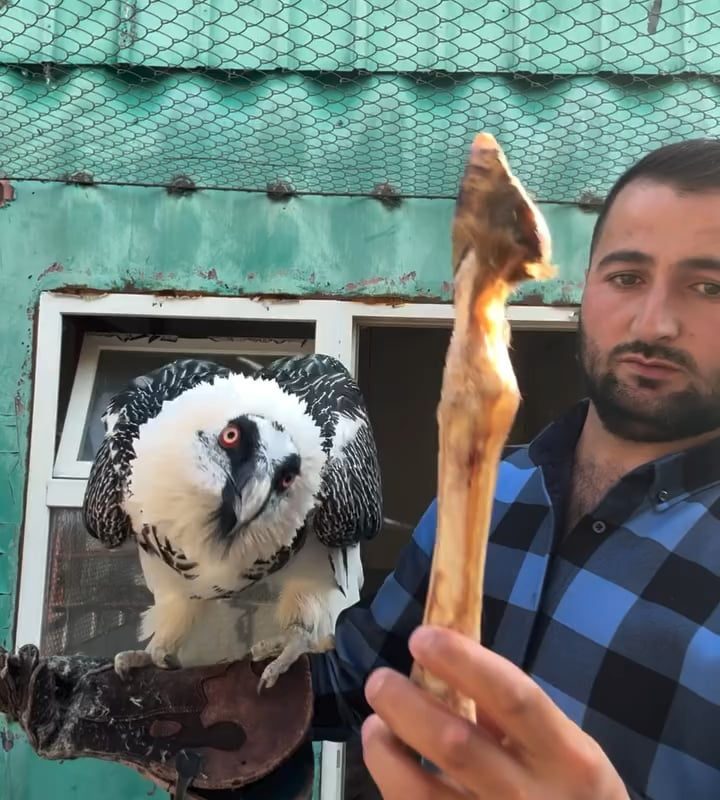
The bearded vulture : the only known animal whose diet consists almost exclusively of bones
Title: The Bearded Vulture: Nature’s Bone-Eating Specialist and Its Astonishing Diet
Meta Description: Discover the bearded vulture, the only animal whose diet consists of 90% bones. Learn how this unique raptor thrives on an ossivorous lifestyle and its role in ecosystems.
The Bearded Vulture: The Only Animal Whose Diet Is Almost Entirely Bones
The natural world is full of extraordinary specialists, but few are as fascinating—or as misunderstood—as the bearded vulture (Gypaetus barbatus). Also known as the lammergeier (“lamb vulture”) or “bone-eating bird,” this raptor is the only known vertebrate whose diet consists of 70–90% bones. While other scavengers rely on flesh or marrow, the bearded vulture has evolved to thrive on a diet that would starve most predators.
In this article, we unravel the secrets of this ecological marvel, exploring its adaptations, behavior, and vital role in mountain ecosystems.
What Is a Bearded Vulture?
A Unique Raptor in the Vulture Family
The bearded vulture belongs to the Accipitridae family, which includes eagles and hawks, but it’s the sole member of its genus. Found in high-altitude regions of Europe, Africa, and Asia (e.g., the Alps, Pyrenees, Himalayas, and Ethiopian Highlands), it’s instantly recognizable by its:
- Wingspan of up to 9 feet (2.8 meters).
- Rust-red plumage (stained intentionally from iron-rich soil).
- Distinctive black facial “beard” of feathers.
Unlike other vultures, bearded vultures avoid rotting flesh. Instead, they’ve perfected a niche as nature’s bone recyclers.
The Ossivorous Diet: Why Bones?
Survival Through Specialization
Up to 90% of a bearded vulture’s diet consists of bones, including those of large animals like goats, chamois, or even cattle. Here’s how they do it:
- Bone Collection: They scavenge carcasses abandoned by other predators (e.g., wolves, eagles), focusing on skeletal remains.
- Bone-Breaking Technique: For pieces too large to swallow (up to 10 cm wide), they carry bones high into the air and drop them onto rocky outcrops to shatter them. This behavior, called osteophagy, exposes marrow and creates smaller, digestible fragments.
- Digestion: Their highly acidic stomach (pH ~1) dissolves bones in 24 hours, extracting fats, proteins, and minerals.
Benefits of a Bone-Based Diet
- Low Competition: No other animal targets this resource.
- Nutritional Efficiency: Bone marrow is calorie-dense (50–60% fat).
- Reduced Disease Risk: Bones lack pathogens found in decaying flesh.
Evolutionary Adaptations for Bone-Eating
The bearded vulture’s body is exquisitely adapted to its unusual diet:
- Powerful Neck Muscles: To tear and manipulate heavy bones.
- Specialized Tongue: Helps extract marrow from fragments.
- Robust Digestive System: Acidic stomach enzymes + gut microbiome tuned to break down collagen and calcium.
- Flight Efficiency: Soars for hours to locate scattered carcasses across vast territories.
Cultural Fame and Misconceptions
Bearded vultures have inspired myths for millennia. Ancient Greeks believed they killed livestock (hence “lammergeier”), but they pose no threat to living animals. In reality, they:
- Prevent Disease: By consuming remains that could spread pathogens.
- Recycle Nutrients: Returning minerals like calcium to the ecosystem.
Today, they’re icons of mountain wilderness and symbols of successful rewilding efforts in Europe.
Conservation: A Threatened Specialist
Despite their resilience, bearded vultures are classified as Near Threatened (IUCN). Threats include:
- Habitat loss from human encroachment.
- Poisoning (from lead bullets or livestock pesticides).
- Wind turbine collisions.
Conservation programs, like breeding reintroductions in the Alps and Spain’s Pyrenees, have helped populations recover slowly.
Conclusion: The Bone Devourer’s Vital Role
The bearded vulture isn’t just an oddity—it’s a keystone species that keeps mountain ecosystems healthy. By consuming the inedible, it closes the nutrient loop and prevents disease outbreaks. Supporting conservation efforts ensures this majestic bird continues its ancient role as Earth’s ultimate bone recycler.
Call to Action:
Learn how to help protect bearded vultures through organizations like the Vulture Conservation Foundation or BirdLife International. Share this article to spread awareness of nature’s most eccentric scavenger!
Keywords for SEO: bearded vulture diet, bone-eating vulture, ossivorous birds, lammergeier facts, bearded vulture adaptations, scavenger birds, endangered vultures, unique animal diets, wildlife conservation.
Optimized for search intent around “bearded vulture diet,” “bone-eating bird,” and “ossivorous animals.” Include high-quality images of bearded vultures carrying bones or in flight for enhanced engagement.