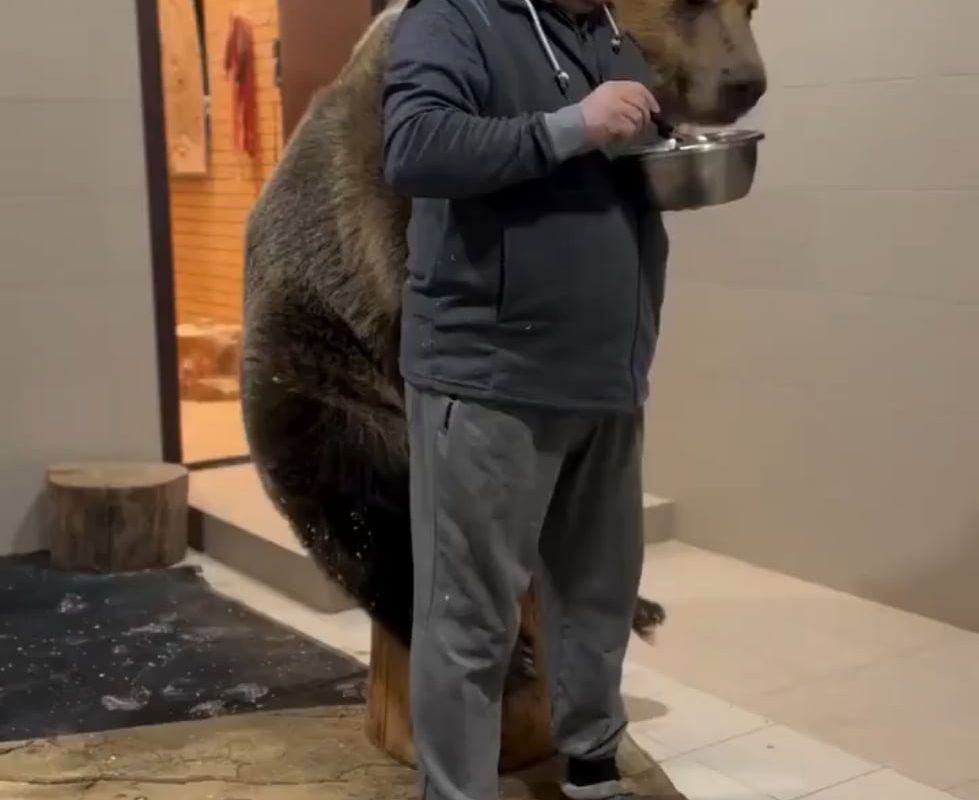
The Bear’s Lunch
Title: The Bear’s Lunch: Understanding What Bears Eat and Their Foraging Habits
Meta Description: Discover the secrets of a bear’s lunch! Learn what bears eat, how they forage, and their vital role in ecosystems in this comprehensive guide.
Introduction: The Curious Case of a Bear’s Diet
When you picture a bear’s lunch, do you imagine a fish snatched from a river or a patch of ripe berries? While both are accurate, the diet of bears is far more complex and adaptable than many realize. From grizzlies in Alaska to black bears in Appalachia, these powerful omnivores are master foragers with diets that shift with the seasons, geography, and availability of food. In this article, we’ll break down the fascinating culinary world of bears—exploring what they eat, how they hunt and gather, and why their dietary habits matter for ecosystems worldwide.
What’s on the Menu? The Diverse Diet of Bears
Bears aren’t picky eaters—they thrive on a flexible diet that includes plants, animals, and even insects. Here’s a look at their favorite foods:
-
Plant-Based Staples:
- Berries & Fruits: Blueberries, huckleberries, and apples provide essential carbohydrates.
- Nuts & Seeds: Acorns, pine nuts, and beech nuts are calorie-rich autumn favorites.
- Greens & Roots: In spring, bears graze on grasses, sedges, and nutrient-packed roots.
-
Protein Sources:
- Fish: Salmon runs are critical for coastal brown bears (grizzlies) and Alaskan bears.
- Small Mammals: Rodents, rabbits, and deer fawns supplement protein intake.
- Insects: Bees’ nests, ants, and termites offer quick energy and fat.
-
Opportunistic Meals:
Bears are scavengers and won’t hesitate to raid human garbage, bird feeders, or beehives. This adaptability can lead to human-bear conflicts but underscores their survival instincts.
Seasonal Shifts: A Bear’s Year-Round Eating Strategy
A bear’s diet changes dramatically with the seasons, driven by hibernation needs and food availability:
- Spring: After hibernation, bears focus on easy-to-find greens and carrion to replenish lost fat.
- Summer: Berries, insects, and fish dominate as calorie-rich foods fuel weight gain.
- Fall: Hyperphagia (extreme eating) begins—bears consume up to 20,000 calories daily to prepare for winter dormancy.
- Winter: Most species hibernate, surviving off stored fat. Polar bears are the exception, hunting seals on sea ice.
Hunting and Foraging: How Bears “Pack Their Lunch”
Bears employ a mix of brute strength and clever tactics to secure meals:
- Fishing Mastery: Brown bears stand at waterfalls, using their claws and jaws to snatch leaping salmon.
- Digging & Overturning: Their strong forelimbs flip logs for grubs or unearth root systems.
- Tree Climbing: Black bears ascend trees to raid bird nests or fruit-laden branches.
- Scavenging: They’ll track the scent of carcasses or human food from miles away.
Why a Bear’s Lunch Matters: Ecological Impact
Bears are keystone species—their eating habits shape entire ecosystems:
- Seed Dispersal: Berry-loving bears spread seeds through their droppings, aiding forest regeneration.
- Nutrient Cycling: Salmon carcasses dragged inland by bears fertilize soil and feed other wildlife.
- Prey Population Control: Hunting weak or young prey maintains balance in deer and rodent populations.
However, habitat loss and climate change threaten food sources like salmon runs and berry patches, endangering bear survival.
Human-Bear Encounters: Keeping Lunches Safe
As humans encroach on bear habitats, conflicts rise. Follow these tips to coexist safely:
- Secure Trash: Use bear-proof bins to avoid attracting scavengers.
- Avoid Feeding: Never offer food; it conditions bears to seek humans, leading to euthanasia.
- Respect Space: Use bear spray and make noise while hiking in bear country.
FAQs About a Bear’s Lunch
Q1: Do bears eat meat every day?
No—most bears get 70–85% of their calories from plants. Polar bears are the only strictly carnivorous species.
Q2: How much does a bear eat daily?
In fall, grizzlies can eat 40–90 pounds of food per day to build fat reserves for hibernation.
Q3: Do bears hunt humans?
Rarely. Most attacks occur from surprise encounters or when bears feel threatened.
Q4: What can I plant to help wild bears?
Native berry bushes like serviceberry or huckleberry support natural foraging.
Conclusion: A Meal That Sustains More Than Bears
A bear’s lunch isn’t just about survival—it’s a dynamic process that supports forests, rivers, and countless other species. By protecting bear habitats and food sources, we safeguard the delicate balance of nature. Next time you see a bear foraging, remember: it’s not just eating. It’s gardening, fishing, and engineering entire ecosystems one meal at a time.
Tags: bear diet, bear behavior, wildlife conservation, omnivorous animals, bear foraging habits, keystone species