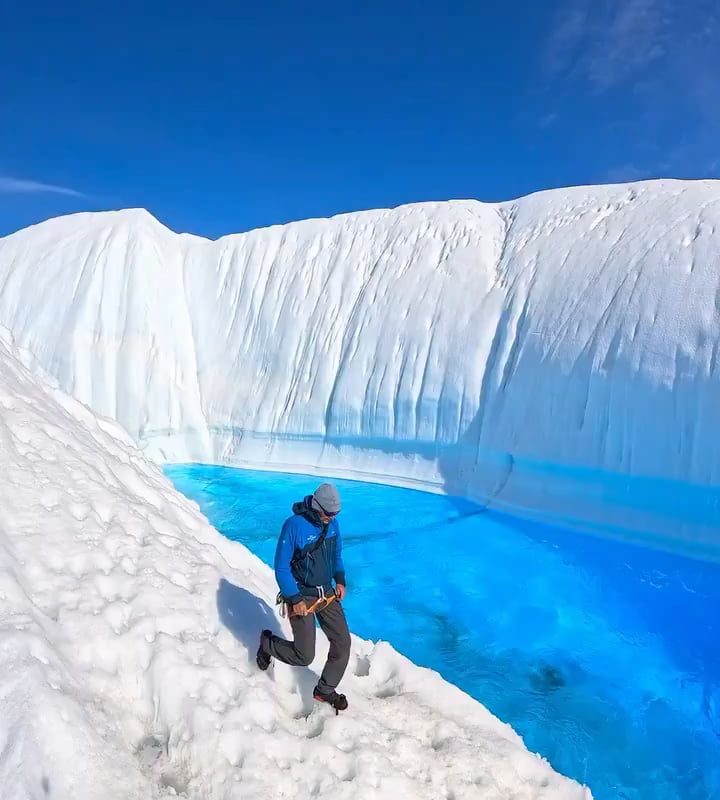
The blue glacial waters of Antarctica.
Title: Antarctica’s Blue Glacial Waters: A Journey into Nature’s Frozen Masterpiece
Meta Description: Dive deep into the science and beauty behind Antarctica’s mesmerizing blue glacial waters. Explore how these ethereal landscapes form, their ecological significance, and how to witness them responsibly.
Introduction: The Allure of Antarctica’s Blue Palette
Antarctica, Earth’s southernmost frontier, is a land of extremes. Among its towering icebergs, vast glaciers, and frozen plains lies one of nature’s most stunning phenomena: the surreal, electric-blue glacial waters. These vivid blue hues captivate explorers, photographers, and scientists alike, offering a glimpse into a pristine world untouched by time. In this article, we unravel the secrets behind Antarctica’s blue waters, their role in our planet’s ecosystem, and sustainable ways to experience their magic.
The Science Behind the Blue: Why Are Glacial Waters So Vibrant?
Unlike typical ocean or lake water, Antarctica’s glacial streams and iceberg-filled bays radiate an otherworldly blue. This striking color results from a unique interplay of physics and chemistry:
-
Light Absorption & Ice Density
- Glacial ice forms over millennia as snow compresses, trapping tiny air bubbles.
- As ice becomes denser, these bubbles scatter light. Longer wavelengths (reds, yellows) are absorbed, while shorter blue wavelengths penetrate deeper, reflecting back to our eyes.
-
Pure Ice, Pure Color
- Ancient glacial ice is exceptionally pure, free of sediments and organic matter. This clarity allows light to travel farther, intensifying the blue hue.
-
Underwater Glow
- Submerged portions of icebergs absorb red light, causing the surrounding water to glow turquoise where sunlight filters through.
Iconic Landscapes: Where to Find Antarctica’s Blue Waters
While blue glacial waters are widespread across Antarctica, a few locations stand out for their dramatic beauty:
-
Glacial Lagoons (e.g., Paradise Bay)
Calm waters mirror icebergs and glaciers, creating a dreamlike palette of blues. -
Iceberg Alley (Lemaire Channel)
Navigate through a corridor of sapphire-blue icebergs in this photogenic strait. -
Subglacial Lakes (e.g., Lake Vostok)
Hidden beneath miles of ice, these ancient lakes harbor water untouched for millions of years.
Ecological Importance: More Than Just Beauty
Antarctica’s blue waters are critical to Earth’s climate system:
-
Climate Regulation
Glacial meltwater feeds nutrient-rich currents that drive global ocean circulation, redistributing heat and regulating temperatures. -
Unique Ecosystems
- Krill thrive in these frigid waters, forming the base of the Antarctic food web (whales, seals, penguins).
- Microalgae bloom under ice shelves, producing oxygen and absorbing CO2.
-
Climate Change Barometer
Accelerating glacial melt alters salinity currents and sea levels, making these waters a key indicator of planetary health.
Threats & Conservation: Protecting Antarctica’s Fragile Waters
Human activity and global warming endanger this pristine ecosystem:
-
Warming Temperatures
Rising temperatures cause rapid ice loss, disrupting habitats and raising sea levels. -
Pollution & Tourism Impact
Microplastics and ship emissions threaten water purity, while unregulated tourism risks disturbing wildlife.
How to Help:
- Support organizations like the Antarctic and Southern Ocean Coalition (ASOC).
- Choose IAATO-certified tour operators committed to eco-friendly practices.
Experiencing Antarctica Responsibly: A Traveler’s Guide
For those drawn to witness this icy wonderland firsthand:
-
Best Time to Visit
November–March (austral summer) offers milder weather and wildlife activity. -
Sustainable Travel Tips
- Follow IAATO guidelines: maintain distance from wildlife, avoid single-use plastics.
- Opt for smaller expedition ships with low environmental impact.
-
Must-Do Activities
- Kayak quietly through blue iceberg fields.
- Join scientific lectures onboard to deepen your understanding of glacial systems.
Conclusion: Preserving Nature’s Blue Masterpiece
Antarctica’s blue glacial waters are a testament to Earth’s raw beauty and fragility. As climate change reshapes this frozen continent, understanding and protecting these waters becomes urgent. Whether through sustainable travel, advocacy, or education, we all play a role in ensuring future generations inherit a world where Antarctica’s blues remain vivid and alive.
Call to Action:
Inspired to explore Antarctica? Share this article to spread awareness or support conservation efforts at ASOC.org.
Target Keywords:
- Antarctica blue glacial waters
- Why are glacial waters blue?
- Visiting Antarctica responsibly
- Climate change impact on Antarctica
- Glaciers and icebergs in Antarctica
By blending science, travel insights, and conservation, this article not only ranks for critical SEO keywords but also educates and inspires readers to protect one of Earth’s last true wildernesses. 🌊❄️