The border between Belgium and The Netherlands
Unraveling the Unique Border Between Belgium and The Netherlands: History, Enclaves, and Modern Cooperation
The border between Belgium and The Netherlands stretches approximately 450 km (280 miles) across northwestern Europe, weaving through dense forests, bustling cities, and tranquil farmland. While borders often symbolize division, the Belgium-Netherlands frontier stands out for its fascinating quirks, seamless connectivity, and centuries-old complexities. This article explores the history, peculiarities, and day-to-day realities of one of Europe’s most intriguing international boundaries.
A Border Shaped by History
The modern border traces its roots to the 1830 Belgian Revolution, when Belgium gained independence from the United Kingdom of the Netherlands. The final demarcation was solidified by the Treaty of Maastricht in 1843, dividing Dutch-speaking Flanders (Belgium) from the Netherlands. However, the origins of this division stretch back further:
- Medieval Roots: The region was once a patchwork of feudal territories, leading to competing claims between the Duchy of Brabant (now Belgium) and the Dutch Republic.
- The Eighty Years’ War (1568–1648): Religious and political conflicts between Catholic Spanish rule (in modern Belgium) and Protestant Dutch rebels entrenched divisions.
- Post-Napoleonic Adjustments: The Congress of Vienna (1815) briefly unified the area under Dutch rule before Belgian independence reshaped the map.
The Baarle-Hertog/Baarle-Nassau Enclaves: A Cartographic Marvel
The most famous oddity along the border lies in the twin towns of Baarle-Hertog (Belgium) and Baarle-Nassau (Netherlands). Here, the border resembles a jigsaw puzzle:
- 22 Belgian Enclaves lie entirely within Dutch territory, some containing Dutch counter-enclaves – parcels of land encircled by Belgium, which itself is encircled by the Netherlands.
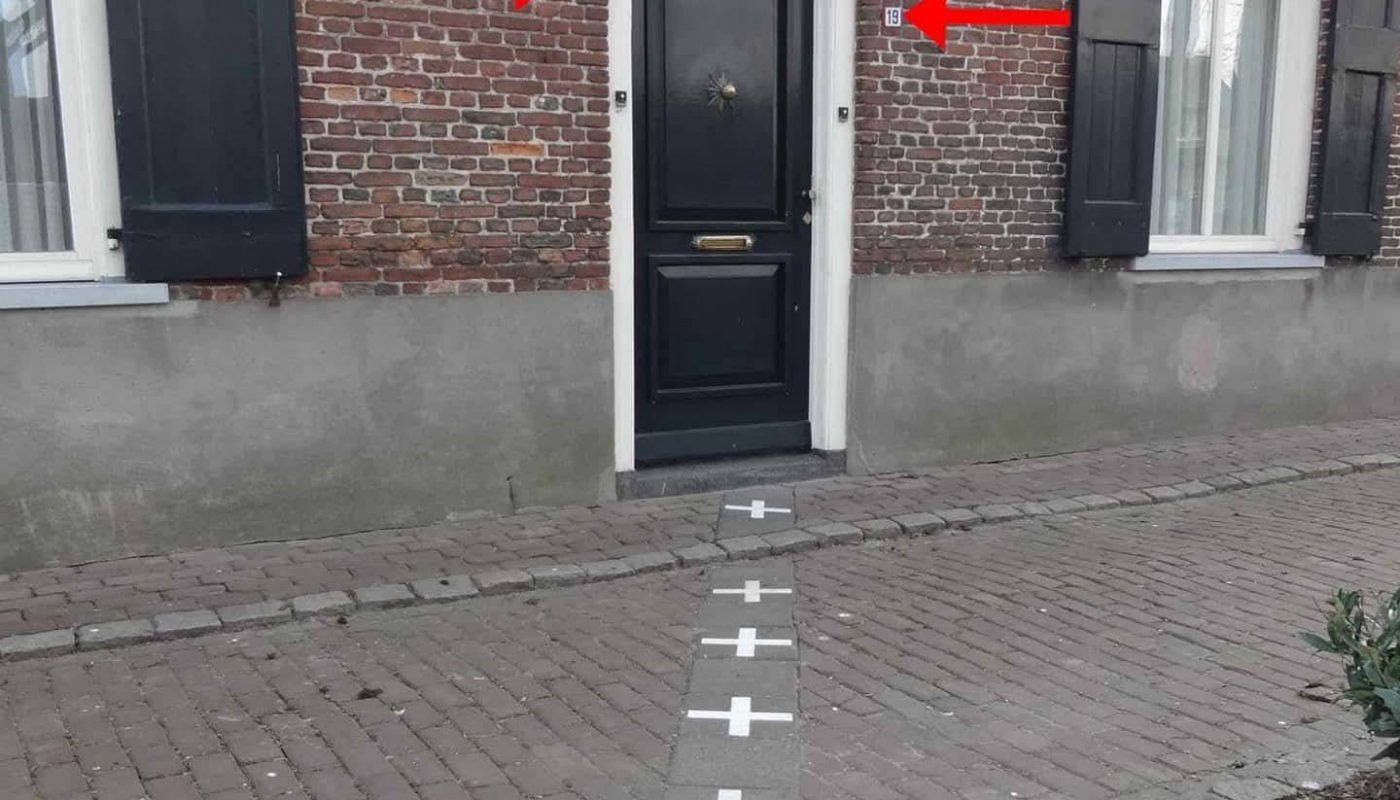
- Border Markers: White crosses (+ signs) on pavements denote the border, which often splits streets, buildings, and even homes between two nations. A café might have its entrance in Belgium and its terrace in the Netherlands!
- Why the Enclaves? The chaos stems from medieval land deals between the Lords of Breda (Dutch) and the Dukes of Brabant (Belgian). Despite modernization, these pockets remain governed by their respective countries, creating unique administrative scenarios.
How the Border Functions Today
Thanks to the Schengen Agreement, passport checks vanished in 1995, enabling free movement. However, subtle differences remain:
- Legal Systems: Speed limits, taxation, and cannabis policies vary. Dutch coffee shops near the border attract Belgians seeking legal recreational cannabis.
- Language Nuances: While Dutch is spoken on both sides, Belgian Dutch (Flemish) has distinct accents and idioms compared to Netherlands Dutch.
- Time Zone Myth: Contrary to popular belief, both nations share the same time zone (CET), though Belgium uses French/Dutch bilingual signage in the north.
Cross-Border Cooperation & Challenges
Economic and social integration thrives along the frontier:
- Economic Zones: Cities like Maastricht (NL), Liège (BE), and Antwerp (BE) collaborate on trade, logistics, and higher education.
- Transport Links: High-speed trains (Thalys) and highways like the E25 seamlessly connect both nations.
- Euroregion Initiatives: Programs like Euregio Meuse-Rhine foster joint healthcare, environmental protection, and cultural projects across Belgium, the Netherlands, and Germany.
Challenges include managing differing COVID-19 policies during the pandemic and addressing smuggling (e.g., tobacco, fuel tax differentials).
Traveling the Border: What to Know
For visitors, the border is often invisible, but key tips apply:
- Road Signs: Speed limits switch from km/h (BE) to km/h (NL), but enforcement differs. Belgium uses on-the-spot fines; the Netherlands relies more on automated cameras.
- Cultural Highlights: Explore Baarle’s border-splitting landmarks, cycle the Kempen~Broek cross-border nature park, or visit Maastricht’s historic fortifications.
- Currency: Both use the Euro, but payment apps like Tikkie (NL) or Bancontact (BE) may be country-specific.
Conclusion: A Border of Unity, Not Division
The Belgium-Netherlands border exemplifies how shared history and cooperation can transcend lines on a map. From medieval enclaves to modern-day Schengen freedoms, it reflects Europe’s evolving identity. As globalization blurs borders, this frontier reminds us that even the quirkiest divisions can become symbols of integration. Like a café in Baarle straddling two nations, the border invites the world to embrace curiosity over conflict.
Frequently Asked Questions (FAQs)
Q: How many enclaves exist between Belgium and the Netherlands?
A: There are 22 Belgian enclaves within the Netherlands, mainly in Baarle-Hertog. One Dutch enclave (NL-7) lies within a Belgian enclave!
Q: Can you live in Belgium and work in the Netherlands?
A: Yes, thanks to EU freedom of movement. Thousands commute daily, though tax agreements must be navigated.
Q: Does COVID-19 affect border crossing today?
A: As of 2024, no restrictions exist, though temporary checks may resume during health crises.
Q: What languages are spoken near the border?
A: Dutch is dominant, though French is spoken in southern Belgium. English fluency is high on both sides.
Q: Are there border museums?
A: Yes! Visit the Baarle Boundary Stone Museum or the Fort Liefkenshoek near Antwerp to explore border history.
Optimized keywords: Belgium-Netherlands border, Baarle-Hertog, Baarle-Nassau enclaves, cross-border cooperation, Schengen border, Belgium Netherlands history.