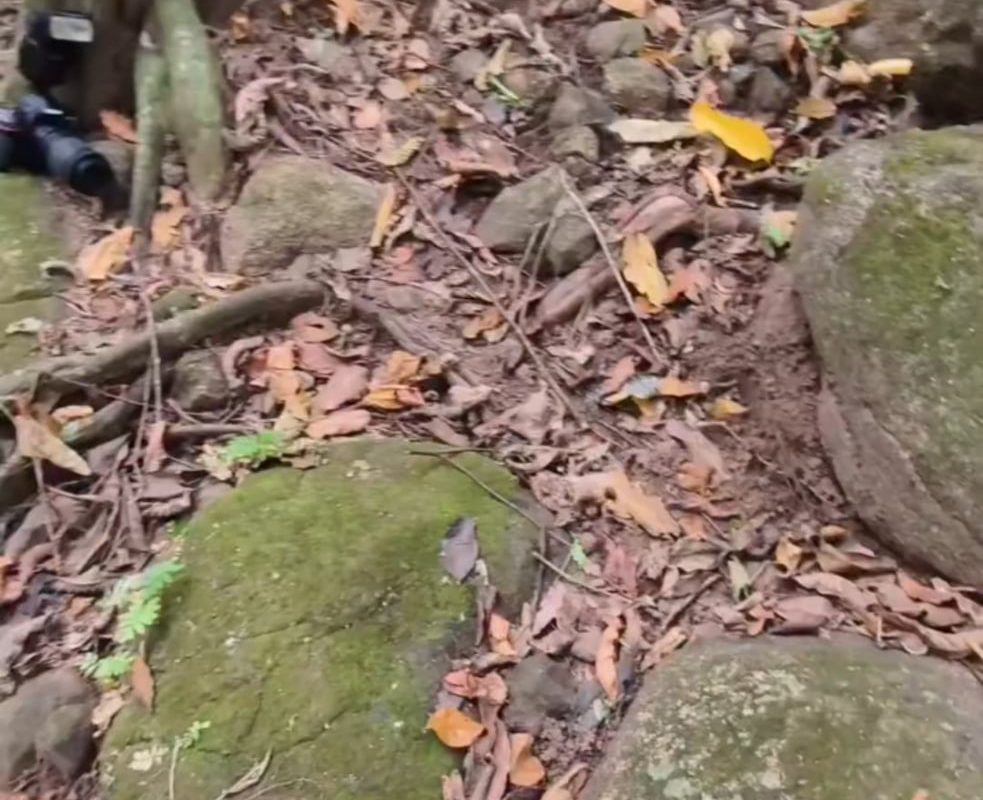
The camouflage of a hump nosed pit viper
Title: Masters of Disguise: The Remarkable Camouflage of the Hump-Nosed Pit Viper
Meta Description: Discover how the hump-nosed pit viper’s camouflage makes it one of nature’s most elusive predators. Explore its adaptive coloration, habitat strategies, and survival secrets.
Introduction
The hump-nosed pit viper (Hypnale hypnale), a small but venomous snake native to the rainforests and plantations of India and Sri Lanka, is a master of deception. While its venom commands respect, its true superpower lies in its extraordinary camouflage—a near-perfect disguise that allows it to vanish into its surroundings. In this article, we dive into the science, mechanics, and evolutionary brilliance behind this serpent’s ability to stay hidden.
The Hump-Nosed Pit Viper: A Quick Overview
This viper earns its name from the distinctive fleshy hump on its snout. Typically 30–40 cm long, it thrives in humid, leaf-littered environments like tropical forests, tea estates, and even gardens. Though its bite is rarely fatal to humans, its hemotoxic venom can cause severe pain and tissue damage. But survival for this ambush predator depends less on venom and more on its invisibility cloak.
The Science of Its Camouflage
1. Cryptic Coloration & Pattern Disruption
The snake’s scales boast earthy tones—mottled browns, greens, yellows, and grays—that mirror decaying leaves, tree bark, and dappled sunlight. Irregular patches and zigzag bands along its body create disruptive coloration, breaking up its outline and making it nearly indistinguishable from forest debris.
2. Textured Skin for 3D Blending
Unlike smooth-skinned reptiles, the hump-nosed viper’s keeled scales (ridged texture) scatter light and cast micro-shadows, mimicking the roughness of bark or soil. This 3D effect enhances its disguise, even at close range.
3. Seasonal Adaptation
In drier months, its colors fade to match parched foliage, while monsoon rains deepen its hues to align with lush greenery. While not a true chameleon, this subtle shift maximizes year-round concealment.
Camouflage in Action: Hunting & Survival
Ambush Predation
The viper relies on cryptic immobility—lying motionless for hours—to ambush prey like frogs, lizards, and small rodents. Its camouflage lets it strike with lightning speed while expending minimal energy.
Evading Predators
Birds of prey, mongooses, and larger snakes struggle to detect it. When threatened, the viper coils tightly, tucking its head under its body to hide its distinctive snout. Only as a last resort does it resort to erratic movements or a warning hiss.
Human Encounters: A Double-Edged Sword
Ironically, the viper’s camouflage poses risks to humans. Hikers, farmers, or gardeners may accidentally step on it, prompting defensive bites. Key hotspots include:
- Leaf litter near forest trails.
- Rock crevices in tea/coffee plantations.
- Overgrown gardens in rural settlements.
Safety Tip: Wear sturdy boots in endemic areas and avoid placing hands or feet where visibility is low.
Conservation & Ecological Role
Habitat loss threatens these vipers, yet their camouflage conundrum complicates conservation efforts—how do you protect what you rarely see? As pest controllers (they prey on crop-damaging rodents), they play a vital ecological role. Preserving forests and minimizing pesticide use indirectly safeguards their future.
Conclusion
The hump-nosed pit viper’s camouflage isn’t just a survival tactic—it’s a testament to evolution’s ingenuity. By blending seamlessly into its world, this snake reminds us that nature’s most dangerous artistry often hides in plain sight. Whether you’re a herpetology enthusiast or a curious traveler, understanding its disguise deepens appreciation for Earth’s cryptic wonders.
Target Keywords:
hump-nosed pit viper camouflage, pit viper adaptations, venomous snake disguise, cryptic coloration in snakes, Hypnale hypnale behavior
Image Alt-Tags (for SEO):
- “Hump-nosed pit viper camouflaged in leaf litter”
- “Close-up of Hypnale hypnale disruptive scale patterns”
- “Rainforest habitat of hump-nosed pit viper”
Internal Links (Recommended):
- How Venomous Snakes Adapt to Urban Environments
- Top 5 Masters of Animal Camouflage
By blending science, practical advice, and vivid description, this article aims to rank for niche and broad-search terms alike while captivating readers with nature’s invisible marvels. 🌿🐍