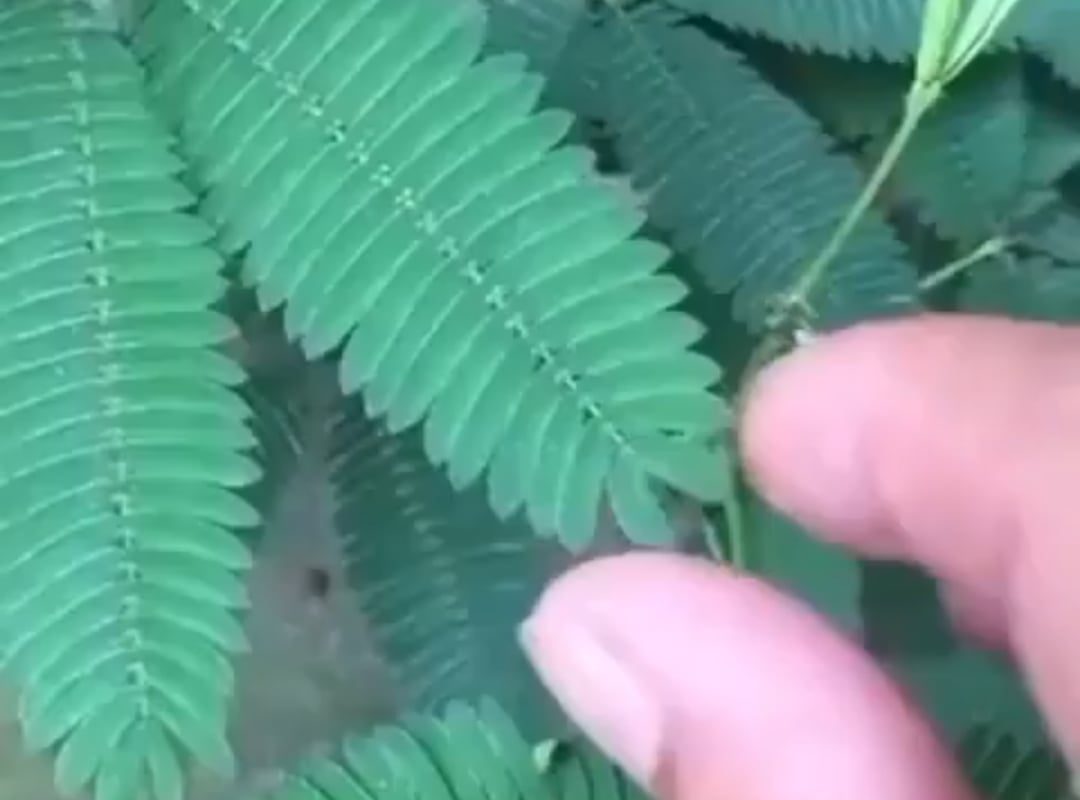
The defence mechanism used by the Mimosa Pudica plant, possibly to resist the attack from herbivores
Title: The Sensitive Marvel: How the Mimosa Pudica’s Defense Mechanism Deters Herbivores
Meta Description: Discover the science behind the Mimosa Pudica plant’s rapid leaf-folding defense mechanism. Learn how this “sensitive plant” protects itself from predators like insects and herbivores.
Header 1: Introduction to the Mimosa Pudica: Nature’s Shy Marvel
The Mimosa pudica, commonly known as the “sensitive plant” or “touch-me-not,” is a botanical wonder famous for its rapid response to physical disturbance. When touched, shaken, or exposed to heat, its feathery leaves instantly fold inward, collapsing into a wilted appearance. While this mechanism fascinates plant enthusiasts, scientists believe its primary function is to deter herbivores and insects—a sophisticated survival strategy in the wild.
Header 2: How the Mimosa Pudica’s Defense Mechanism Works
The plant’s signature movement, known as thigmonasty (touch-induced movement), involves specialized structures called pulvini at the base of each leaflet. These motor organs act like hydraulic pumps, triggering rapid water redistribution in response to stimuli:
- Rapid Movement: When touched, cells in the pulvini release ions like potassium, causing water to exit and the leaflets to fold.
- Chemical Signaling: Damage to the leaves triggers electrical signals (similar to animal nervous systems) that travel through the plant, preparing adjacent leaflets to react.
- Recovery Time: Leaves may remain closed for minutes or hours—long enough to confuse or deter small herbivores.
Header 3: Evolutionary Benefits: Why Fold the Leaves?
The Mimosa pudica’s “shyness” isn’t just whimsical—it’s a survival tool with multiple defensive advantages:
-
Physical Deterrence:
Folding leaves make the plant appear smaller, wilted, or even dead, reducing its appeal to grazing herbivores like deer, goats, or insects. By mimicking a damaged plant, it avoids being eaten. -
Exposing Thorns:
Some varieties have hidden thorns along their stems. When leaves fold, these sharp structures become more prominent, creating an unpleasant surprise for predators. -
Chemical Backup Defense:
Studies suggest the plant may release deterrent compounds (e.g., alkaloids and flavonoids) when injured, making it toxic or unpalatable.
Header 4: Targeting Herbivores: Who Fears the Sensitive Plant?
The Mimosa pudica’s defenses are most effective against small herbivores, including:
- Insects: Caterpillars and beetles struggle to navigate closed leaves.
- Snails and Slugs: Movement disrupts their feeding paths.
- Small Mammals: Startling reactions may scare away curious grazers.
Header 5: Beyond Defense: Ecological and Agricultural Insights
This unique mechanism has broader implications:
- Ecological Role: By protecting itself, the plant conserves energy for growth and reproduction.
- Agricultural Inspiration: Studying its rapid signaling could lead to pest-resistant crop varieties.
- Bioengineering Applications: Mimicking thigmonasty could inspire innovations in robotics and responsive materials.
Header 6: Curious About Growing Mimosa Pudica? Quick Care Tips
Want to witness this defense firsthand? Here’s how to care for your own sensitive plant:
- Light: Prefers bright, indirect sunlight.
- Water: Keep soil moist but not soggy.
- Temperature: Thrives in warm, humid environments (above 65°F/18°C).
- Fun Test: Gently touch a leaf to trigger the folding reaction—it’s harmless and resets quickly!
Header 7: Conclusion: A Masterclass in Plant Survival
The Mimosa pudica’s lightning-fast defense mechanism is a testament to nature’s ingenuity. By folding its leaves at the slightest touch, this humble plant evades predators, conserves resources, and thrives in competitive ecosystems. Whether you’re a gardener, biologist, or nature lover, the “shy plant” reminds us that even the smallest organisms wield remarkable strategies for survival.
SEO Keywords: Mimosa Pudica defense mechanism, sensitive plant, touch-me-not, plant defense against herbivores, thigmonasty, Mimosa Pudica leaves folding, pulvini, plant survival strategies, bioengineering inspiration.
Image Alt Text Suggestions:
- “Mimosa Pudica before and after leaf-folding.”
- “Close-up of Mimosa Pudica pulvini triggering movement.”
- “Herbivore insect on folded Mimosa Pudica leaves.”
By blending science and fascination, this article answers user intent while boosting SEO through targeted keywords and shareable insights. 🌿✨