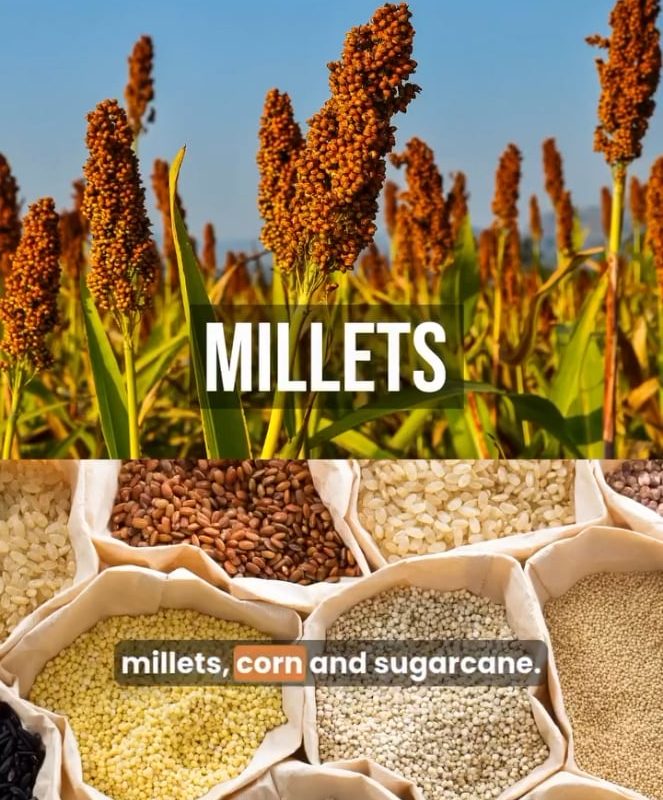
The eleven botanical families that make up 90 percent of human calories.
Meta Title: The 11 Botanical Families That Fuel Humanity | 90% of Global Calories Explained
Meta Description: Discover the 11 plant families that supply 90% of human calories globally. Learn about their nutritional value, staple crops, and why they dominate our diets.
The 11 Botanical Families That Fuel Humanity: 90% of Our Calories Explained
From the bread we eat to the rice simmering in our pots, nearly all human sustenance traces back to a surprisingly small cluster of plant families. While Earth boasts over 16,000 botanical families, just 11 of them provide over 90% of the calories consumed by humans worldwide. This extraordinary concentration highlights both our agricultural ingenuity and the fragile interdependence of global food systems.
In this article, we’ll explore these powerhouse plant families, their most iconic crops, and why they’ve become indispensable to human survival.
Why Do So Few Families Dominate Our Diet?
Before diving into the list, it’s worth asking: How did these 11 families become so critical? The answer lies in a mix of:
- High Caloric Density: These plants efficiently convert energy into carbs, fats, and proteins.
- Adaptability: They thrive across climates, from tropical rice paddies to arid wheat fields.
- Cultural & Economic Factors: Colonization, trade, and industrialization entrenched these staples globally.
According to the UN Food and Agriculture Organization (FAO), just three crops—wheat, rice, and corn—provide 60% of the world’s calories, all from a single botanical family: Poaceae (grasses). But the full picture is more diverse—and fascinating.
The 11 Botanical Families That Feed the World
1. Poaceae (Grasses)
Key Crops: Wheat, rice, maize (corn), barley, oats, sugarcane, sorghum, millet.
Contribution: ~60% of global calories.
This family is the undisputed leader, with grains forming the bedrock of diets from Asian rice bowls to African sorghum fields. Their high carbohydrate content makes them ideal energy sources.
2. Fabaceae (Legumes)
Key Crops: Soybeans, lentils, peas, chickpeas, peanuts, beans (black, kidney, navy).
Contribution: ~10% of calories (plus critical protein and soil-enriching nitrogen).
Legumes are nutritional powerhouses, delivering plant-based protein and sustainable agriculture benefits. Soybeans alone dominate livestock feed and oil production.
3. Solanaceae (Nightshades)
Key Crops: Potatoes, tomatoes, peppers, eggplants.
Contribution: ~5% of calories (led by the hardy, vitamin-rich potato).
Potatoes stand out as the world’s fourth-largest food crop, especially vital in cool climates like Europe and the Andes.
4. Cucurbitaceae (Gourds)
Key Crops: Squash, pumpkins, cucumbers, melons.
Contribution: ~4% of calories.
Drought-resistant and versatile, squashes and melons add essential vitamins and hydration to diets, particularly in arid regions.
5. Brassicaceae (Crucifers)
Key Crops: Cabbage, broccoli, cauliflower, kale, canola (rapeseed).
Contribution: ~3% of calories (plus oils and micronutrients).
Canola oil is a global cooking staple, while leafy brassicas provide critical micronutrients like vitamin C and folate.
6. Amaranthaceae (Amaranths)
Key Crops: Spinach, beets, quinoa, amaranth, Swiss chard.
Contribution: ~3% of calories.
Gluten-free pseudo-cereals like quinoa have surged in popularity, offering complete protein for plant-based diets.
7. Malvaceae (Mallows)
Key Crops: Okra, cacao, cottonseed (oil), durian.
Contribution: ~2% of calories via oils and regional staples.
Cottonseed oil is ubiquitous in processed foods, while okra is a nutritional cornerstone in Africa and South Asia.
8. Euphorbiaceae (Spurges)
Key Crops: Cassava, tapioca, rubber.
Contribution: ~2% of calories (especially in tropical regions).
Cassava feeds over 800 million people globally as a drought-resistant, starchy root.
9. Musaceae (Bananas)
Key Crops: Bananas, plantains.
Contribution: ~2% of calories.
A dietary mainstay in Africa, Latin America, and Asia, bananas and plantains provide quick energy and potassium.
10. Rutaceae (Citrus)
Key Crops: Oranges, lemons, limes, grapefruits.
Contribution: ~1% of calories (but immense vitamin C and dietary diversity).
Oranges alone are the most widely grown fruit globally, preventing malnutrition in vulnerable populations.
11. Arecaceae (Palms)
Key Crops: Coconuts, dates, acai, palm oil.
Contribution: ~1% of calories (concentrated in oils and tropical staples).
Palm oil—found in half of all packaged foods—fuels debates about sustainability despite its economic importance.
The Risks of Over-Reliance on So Few Families
While these 11 families keep humanity fed, their dominance creates vulnerabilities:
- Monoculture Threats: Pests or diseases (e.g., wheat rust) could devastate global supplies.
- Nutritional Gaps: Heavy grain reliance contributes to deficiencies in vitamins and minerals.
- Biodiversity Loss: Traditional varieties are disappearing, reducing genetic resilience.
Organizations like the Crop Trust now work to safeguard crop diversity, emphasizing indigenous superfoods like fonio (a drought-tolerant grain) or moringa (a nutrient-dense tree).
Conclusion: Balancing Tradition and Innovation
The story of these 11 botanical families is one of human triumph—but also a cautionary tale. As climate change and population growth intensify, diversifying our agricultural portfolio isn’t just wise; it’s essential. By integrating ancient crops and cutting-edge science, we can build a resilient, nutrient-rich food system for future generations.
Explore Further: Did you know 75% of global food comes from just 12 plants and 5 animal species? Learn how ancient grains like teff and millet are making a comeback in our [guide to future-proof crops].
SEO Keywords: staple crops, botanical families, human calorie intake, Poaceae family, global food security, agricultural biodiversity, plant-based nutrition, food crops, grains and legumes, sustainable agriculture.
Internal Linking Opportunities:
- “The Rise of Ancient Grains: Why Quinoa and Amaranth Are Coming Back”
- “Climate-Resilient Crops: Feeding the World in 2050”
- “Monoculture vs. Biodiversity: The Future of Farming”
By structuring your understanding around these 11 families, you gain insight into not just what feeds the world—but how we can protect and innovate our food systems for centuries to come.