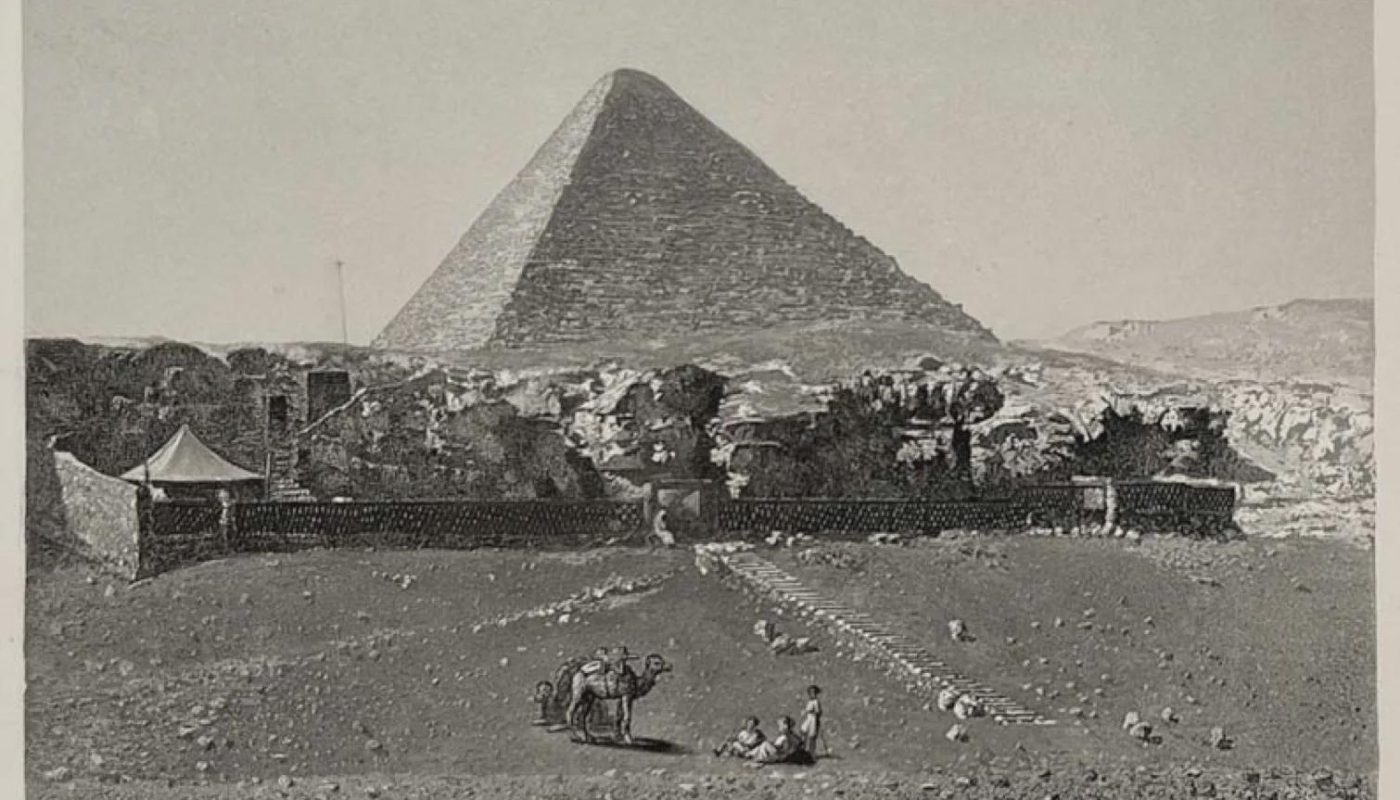
The first image of the pyramids after a daguerreotype
Title: Capturing History: The First Photograph of the Pyramids via the Daguerreotype
Meta Description: Discover the story behind the first image ever taken of the Pyramids of Giza using the daguerreotype—an innovation that reshaped how we document history.
Introduction
Long before Instagram and digital cameras, the invention of the daguerreotype in the 19th century revolutionized visual storytelling. Among its earliest triumphs was the first photograph ever taken of the Pyramids of Giza—a hauntingly beautiful image that marked a turning point in archaeology, exploration, and humanity’s connection with ancient wonders. But who took it, when, and why does it matter today?
What Was a Daguerreotype?
The daguerreotype, introduced by French artist Louis Daguerre in 1839, was the world’s first widely successful photographic process. Unlike modern prints, daguerreotypes produced highly detailed, one-of-a-kind images on polished silver-coated copper plates. They required long exposure times (minutes, not seconds) and meticulous chemistry—making outdoor photography, especially in harsh environments like Egypt, a daunting challenge.
The Pioneering Expedition: Girault de Prangey’s Hidden Masterpiece
While many credit French writer and photographer Maxime Du Camp for capturing the earliest surviving images of the Pyramids in 1849–50 during his expedition with Gustave Flaubert, recent research points to an even earlier trailblazer: Joseph-Philibert Girault de Prangey.
In 1842, this reclusive French archaeologist and artist embarked on a 3-year journey across Egypt, Greece, and the Levant, lugging bulky daguerreotype equipment. His goal? To systematically document ancient architecture. Among his 1,000+ surviving plates, archaeologists now believe Girault took the earliest-known photograph of the Pyramids of Giza in the mid-1840s—decades before the Suez Canal’s construction.
Key Details of Girault’s Image:
- Subject: The Pyramids, likely Khafre’s Pyramid, rendered in sepia-toned abstraction.
- Challenges: Extreme heat, sand, and exposure times up to 15 minutes blurred human activity but immortalized the stones.
- Legacy: Girault’s work was forgotten until the 1920s; his plates sat undiscovered in his estate until the 21st century.
Maxime Du Camp: The Image That Went Viral (for the 19th Century)
Though Girault’s images predated his, Maxime Du Camp’s 1850 daguerreotypes gained wider acclaim after being published in his 1852 book, Égypte, Nubie, Palestine et Syrie. Traveling with novelist Gustave Flaubert, Du Camp photographed the Pyramids as part of a grand Orientalist project to “preserve” Egypt’s vanishing past. His images, though technically imperfect, fueled European Egyptomania and became iconic references for scholars.
Why Were These Early Photos Revolutionary?
- Accuracy Over Artistry: Unlike romanticized paintings, daguerreotypes offered objective records—critical for archaeologists.
- Documenting Decay: They revealed erosion and damage invisible to the naked eye, spurring early conservation efforts.
- Democratizing Wonder: Photos made the Pyramids accessible to ordinary people, transforming them from myth to tangible history.
The Technical Struggles: Photography in the Desert
Capturing the Pyramids via daguerreotype was a feat of endurance:
- Logistical Nightmares: Cameras, glass plates, and chemicals had to be transported via camel.
- Lighting Challenges: Harsh sunlight caused overexposure; dust damaged plates.
- “Empty” Scenes: Long exposures erased moving subjects (people, animals), creating eerily static vistas.
Legacy: How These Images Shaped Our View of Antiquity
The daguerreotypes of Giza ignited a photographic gold rush in Egypt. Later photographers like Francis Frith improved the technology, but Girault and Du Camp paved the way. Their work:
- Inspired UNESCO’s focus on heritage documentation.
- Provided baseline images to track environmental and human impact on the Pyramids.
- Turned photography into a tool of science, not just art.
Where Are These Images Today?
- Girault de Prangey’s plates reside in the Bibliothèque Nationale de France and the Metropolitan Museum of Art.
- Du Camp’s prints are held by institutions like the Louvre and the Victoria & Albert Museum.
FAQs
Q: Was the Great Sphinx photographed in these early expeditions?
A: Yes! Du Camp captured the Sphinx in 1850, buried up to its neck in sand—a stark contrast to today’s restored monument.
Q: How long did a daguerreotype exposure take?
A: Between 5–15 minutes, making human subjects nearly impossible to capture clearly.
Q: Why aren’t Girault’s images better known?
A: He never published them commercially; they were “lost” until scholars rediscovered his archive in the 2000s.
Conclusion: A Fading Glimpse into Immortality
The first daguerreotype images of the Pyramids are more than relics—they capture the collision of antiquity and innovation. Through the lens of pioneers like Girault de Prangey and Du Camp, we witness the birth of visual archaeology and the enduring power of photography to freeze time itself. As climate change and tourism threaten the Pyramids anew, these ghostly silver plates remind us: some moments deserve to last forever.
Keywords for SEO: First photograph pyramids, Giza daguerreotype, 19th-century Egypt photography, Joseph-Philibert Girault de Prangey, Maxime Du Camp, earliest pyramid photo, history of archaeological photography.
For further reading, explore The Dawn of Photography: French Daguerreotypes (Met Museum) or Egypt 1849–50: The Second Wave (Getty Publications).