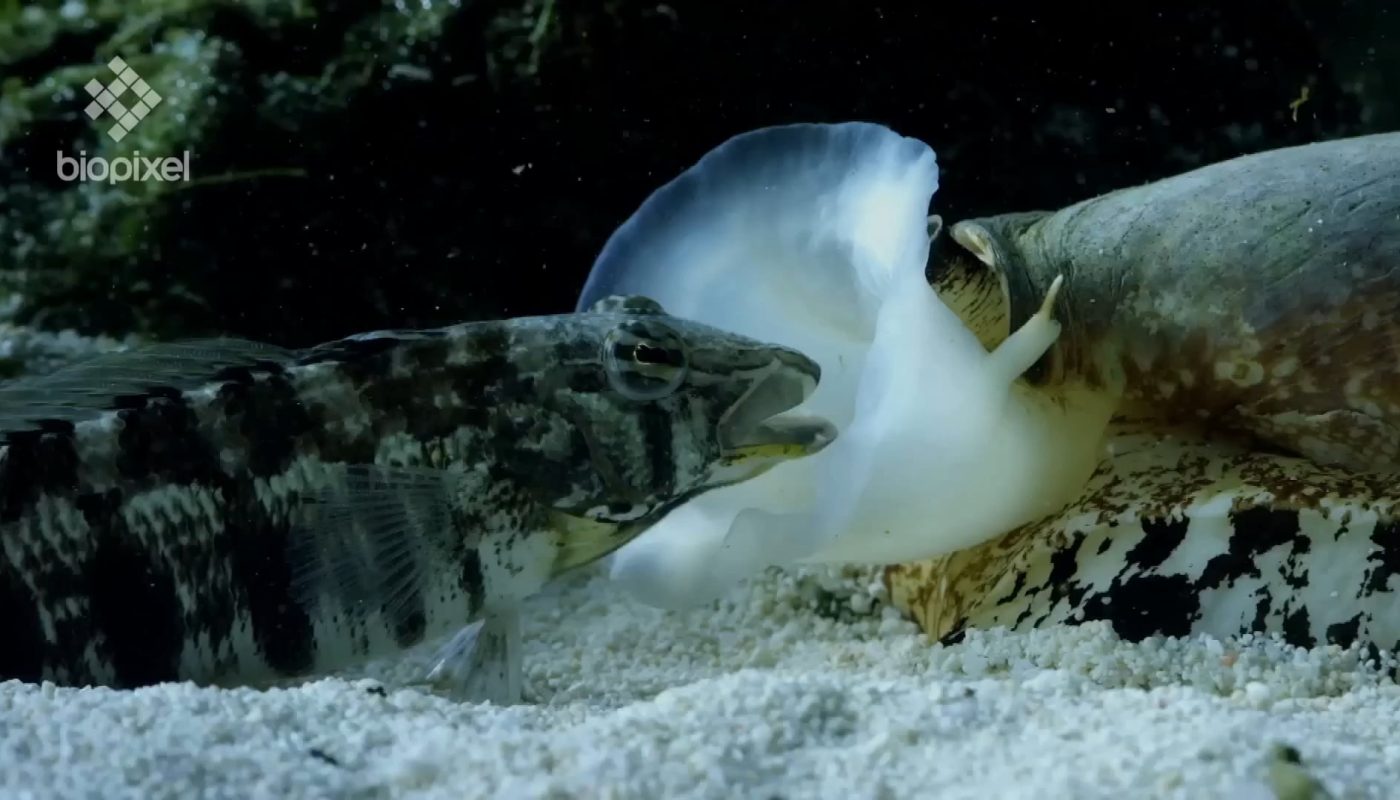
The geographic cone snail releases insulin into the water to stun its prey, then moves in to engulf and harpoon the fish with deadly neurotoxins
Title: Cone Snail’s Insulin Ambush: How a Tiny Predator Uses Biochemical Warfare to Hunt
Meta Description: Discover how the deadly geographic cone snail deploys insulin to stun fish before delivering lethal neurotoxins. A deep dive into nature’s most sophisticated venomous predator.
Introduction
The ocean harbors predators armed with astonishing weapons—from tentacles to teeth—but few compare to the geographic cone snail (Conus geographus). This slow-moving mollusk deploys a chilling hunting strategy: releasing insulin into the water to send fish into hypoglycemic shock before striking with harpoon-like teeth. Dive into the science behind this biochemical ambush and explore why this snail is both a medical marvel and a master assassin.
The Cone Snail’s Venom Arsenal: Insulin as a “Tranquilizer”
Most predators rely on speed or brute force. The cone snail, however, engineers an invisible trap. Researchers discovered it releases a cloud of specialized insulin into the water, designed to rapidly drop the blood sugar levels of nearby fish.
How the Insulin Ambush Works:
- The Biochemical Trap
- The insulin mimics the hormone produced naturally by fish, overwhelming their systems.
- Within seconds, targeted fish experience hypoglycemic shock, leaving them disoriented and immobile.
- The Final Strike
- The snail engulfs its paralyzed prey with a stretchy mouth-like appendage.
- Once enclosed, it fires a harpoon-shaped radula loaded with a cocktail of neurotoxic peptides (conotoxins) that paralyze nerves and stop breathing.
This dual-phase attack—first metabolic sabotage, then neurotoxic death—makes the cone snail an unnervingly efficient hunter.
Why Insulin? The Evolutionary Advantage
For a slow-moving creature, traditional hunting methods are impractical. The insulin strategy circumvents this limitation by:
- Disabling prey instantly without pursuit.
- Reducing energy expenditure—stunned fish drift helplessly into the snail’s reach.
- Widening the kill zone: Unlike venom injected via bite or sting, the dissolved insulin affects multiple fish at once.
The Science Behind the Venom: Medicine in Deadly Toxins
Cone snail venom contains hundreds of bioactive compounds, with conotoxins being the most researched. These toxins target ion channels and receptors in the nervous system with precision—a trait that has fascinated scientists for drug development.
Medical Applications:
- Pain management: Synthetic conotoxins are used in non-addictive painkillers like Prialt® (ziconotide).
- Diabetes research: The snail’s insulin structure could inspire ultra-fast-acting diabetes treatments.
- Neurological disorders: Studying how conotoxins interrupt nerve signaling may lead to epilepsy or Parkinson’s treatments.
Danger to Humans: A Beautiful but Lethal Mollusk
The geographic cone snail is one of Earth’s most venomous creatures. Its harpoon can pierce gloves and wetsuits, delivering venom potent enough to kill a human in hours. Symptoms include:
- Intense pain, swelling, and numbness.
- Respiratory failure or paralysis in severe cases.
- Few antivenoms exist due to the venom’s complexity.
Survival Tip: Never handle cone snails—even dead ones—and seek immediate medical aid if stung.
FAQs About the Geographic Cone Snail
Q: Do all cone snails use insulin to hunt?
Not all. Only a few fish-hunting species, like Conus geographus, employ this method. Others target worms or mollusks with tailored venom cocktails.
Q: How does insulin work outside the prey’s body?
The snail’s insulin is uniquely small and resistant to water, allowing rapid absorption through the fish’s gills or skin.
Q: Can humans be “stunned” by this insulin?
No. The insulin is highly specific to fish physiology and doesn’t affect humans in the same way.
Conclusion
The geographic cone snail exemplifies nature’s duality—a creature both deadly and scientifically invaluable. Its use of insulin as a weapon reshapes our understanding of predator-prey dynamics, while its venom offers hope for medical breakthroughs. As researchers decode more of its secrets, this tiny mollusk reminds us that even the ocean’s smallest hunters can wield immense power.
Keywords: geographic cone snail, conotoxins, insulin hunting, venomous marine life, hypoglycemic shock, neurotoxic predators, conus geographus, medical applications of venom.