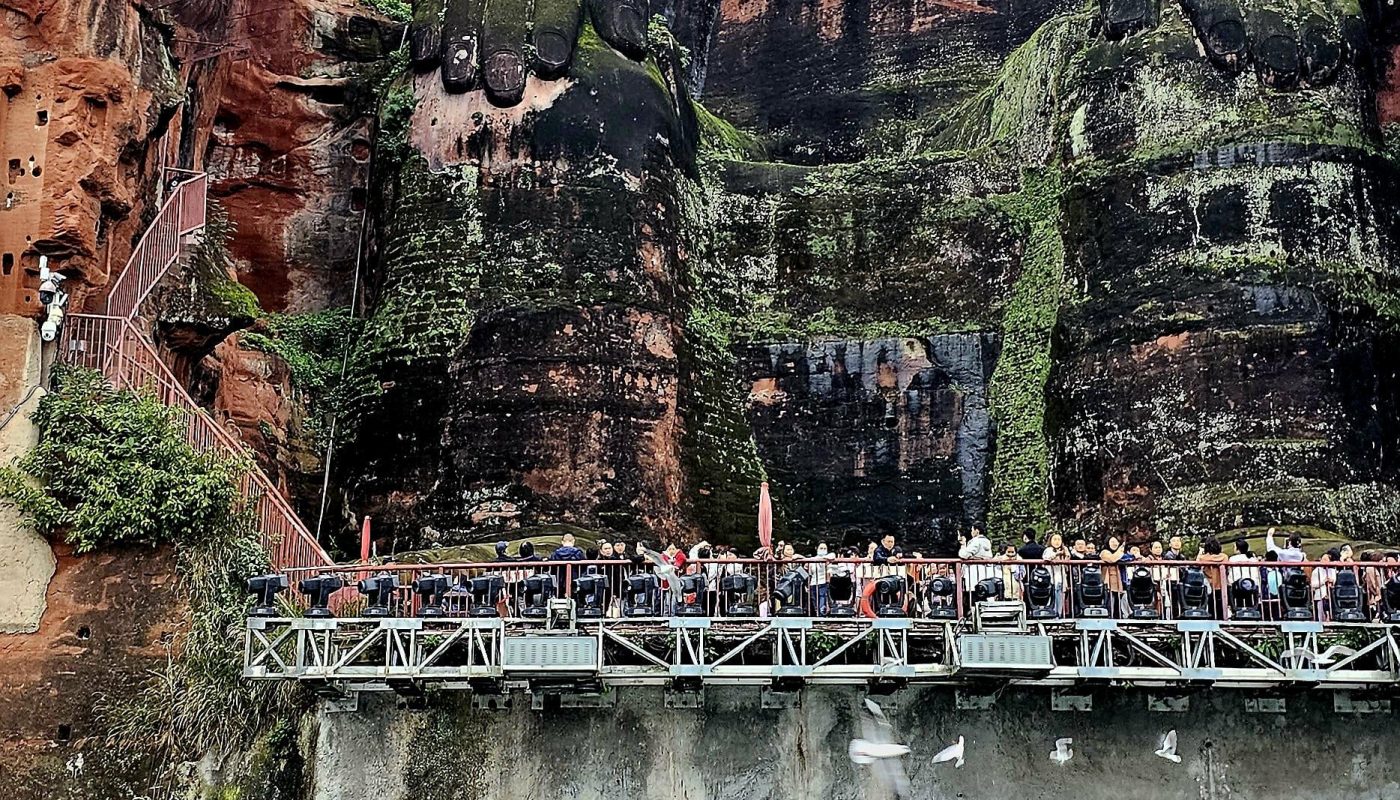
The Giant Buddha in Leshan, Sichuan
The Giant Buddha of Leshan, Sichuan: A Marvel of Ancient Engineering and Spiritual Grandeur
Standing sentinel over the confluence of the Minjiang, Dadu, and Qingyi rivers in Sichuan Province, the Giant Buddha of Leshan (乐山大佛) is one of China’s most awe-inspiring cultural treasures. Carved into a cliff face of Mount Lingyun, this colossal stone statue is a UNESCO World Heritage Site and the largest pre-modern Buddha sculpture in the world. For travelers, history buffs, and spiritual seekers alike, the Leshan Giant Buddha offers an unforgettable glimpse into ancient craftsmanship and Buddhist devotion.
History: A Monument Born of Faith and Perseverance
The story of the Leshan Giant Buddha begins over 1,200 years ago during the Tang Dynasty (713–803 AD). A humble Buddhist monk named Haitong envisioned the statue as a spiritual guardian to calm the turbulent waters of the rivers below, which frequently capsized ships and claimed lives. Haitong believed the Buddha’s presence would protect sailors and bring peace to the region.
Construction spanned nearly 90 years, with thousands of laborers chiseling away at the red sandstone cliff. Haitong even famously gouged out his own eyes to protest corruption when local officials tried to seize the project’s funds. After his death, his disciples continued the work, completing the statue in 803 AD. Today, it endures as a testament to human ingenuity and unwavering faith.
Architectural Wonders: By the Numbers
- Height: 71 meters (233 feet) – taller than a 20-story building.
- Head: 14.7 meters high, crowned with 1,021 intricate stone buns symbolizing wisdom.
- Ears: 7 meters long, carved from wood and coated with clay.
- Toes: Each large enough to seat a small group of people.
- Drainage System: Hidden channels in the statue’s hair, collar, and arms prevent erosion from rain—an engineering feat still functional today.
Unlike many ancient statues, the Leshan Giant Buddha was designed to sit rather than stand. His serene expression gazes toward Mount Emei (another UNESCO site), embodying Maitreya, the Buddha of the future. The statue’s hands rest on his knees in a meditative posture, symbolizing compassion and stability.
Cultural and Spiritual Significance
For centuries, the Buddha has been a pilgrimage site and a symbol of harmony between humanity, nature, and faith. Locals revere it as a protector, while travelers marvel at its scale. The statue’s positioning at the river junction also reflects feng shui principles, harnessing natural energy to bless the surrounding area.
Buddhist festivals and rituals still take place here, particularly during lunar holidays, drawing devotees who light incense and offer prayers. The site’s ambiance—a blend of mist-shrouded cliffs, lush forests, and the distant hum of river traffic—creates an atmosphere of profound tranquility.
Visiting the Leshan Giant Buddha: Tips for Travelers
How to Get There
- From Chengdu: Take a 1-hour high-speed train to Leshan, followed by a short taxi/bus ride to the park entrance (approx. 15 minutes).
- By Boat: For the iconic frontal view, board a sightseeing boat downstream at Leshan Pier.
Best Time to Visit
- Spring (March–May) and Autumn (September–November) offer mild weather and vibrant scenery.
- Arrive early (before 9 AM) to avoid crowds, especially during holidays like Golden Week.
Top Experiences
- Hike the Nine-Bend Plank Pathway: Wind down the cliffside stairs for jaw-dropping views at Buddha eye-level.
- Explore Wuyou Temple & Lingyun Temple: Ancient monasteries flanking the statue house exquisite carvings and incense-filled halls.
- Visit Mahao Cave Tombs: Nearby Han Dynasty burial sites reveal Sichuan’s 2,000-year-old history.
Preservation Challenges
Decades of pollution, weather erosion, and mass tourism have taken a toll on the statue. In the 1980s, blackening from acid rain prompted a UNESCO-led restoration. Conservationists now monitor cracks, mold, and water damage while limiting visitor numbers to protect the delicate sandstone. Ongoing efforts ensure this masterpiece survives for future generations.
Why the Leshan Giant Buddha Endures
The Leshan Giant Buddha is more than a marvel of engineering—it’s a bridge between past and present, artistry and spirituality. Whether you’re drawn to its historical intrigue, architectural brilliance, or meditative aura, this monument leaves visitors humbled by the ambition of ancient China.
Plan Your Pilgrimage Today: Pair your visit with nearby Mount Emei for a journey into Sichuan’s spiritual heartland.
Keywords for SEO: Leshan Giant Buddha, UNESCO World Heritage China, Buddhist statue Sichuan, Leshan travel guide, Largest stone Buddha, Mount Lingyun, Tang Dynasty sculpture, Sichuan attractions.
Ready to witness history carved in stone? Book your trip to Leshan and feel the presence of a colossus that has watched over rivers and souls for twelve centuries.