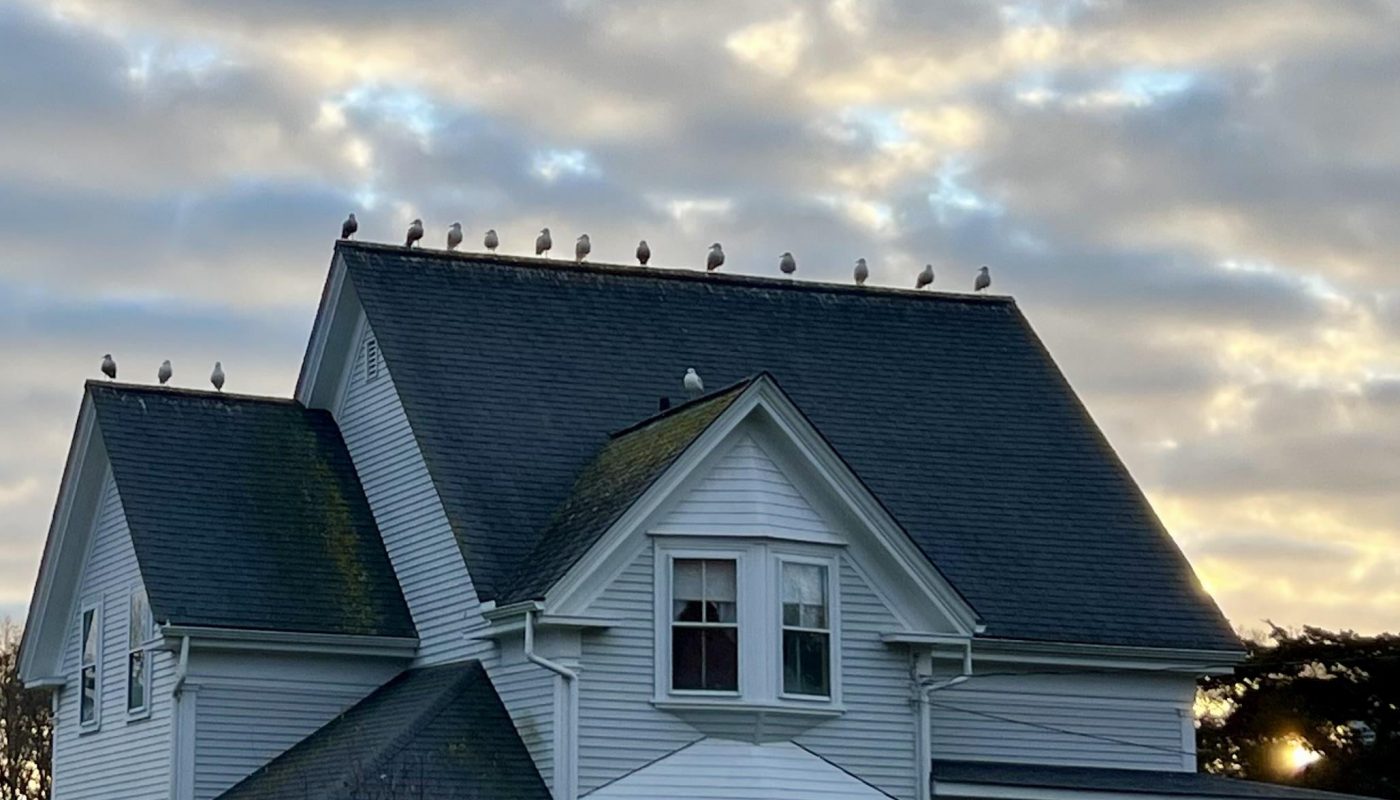
The horizontal distribution of the seagulls
The Horizontal Distribution of Seagulls: Where Do These Coastal Icons Roam?
Seagulls (often referred to simply as “gulls”) are among the most recognizable birds worldwide, thriving in diverse environments from icy Arctic coasts to bustling city harbors. But how exactly are these adaptable birds distributed across the globe? In this article, we dive into the horizontal distribution of seagulls, exploring their geographic range, preferred habitats, and the factors shaping their spread.
Global Range: Seagulls on Every Continent
Seagulls belong to the family Laridae, which includes over 50 species. Their horizontal distribution spans nearly every continent, demonstrating remarkable adaptability:
- Coastal Dominance: Most species cluster along coastlines, including oceans, seas, and estuaries. Examples:
- Herring Gulls: Widespread across North America, Europe, and Asia.
- Black-Headed Gulls: Found in wetlands and coasts of Europe and Asia.
- Inland Expansion: Some species inhabit freshwater lakes, rivers, and even deserts.
- Ring-Billed Gulls: Common near North American lakes and landfills.
- Andean Gulls: Thrive in high-altitude South American lakes.
- Extreme Environments: Species like the Kelp Gull inhabit sub-Antarctic islands, while Ivory Gulls brave the Arctic pack ice.
Key Habitats: Where Do Seagulls Thrive?
Seagulls exploit a variety of ecosystems thanks to their opportunistic feeding and nesting habits:
-
Coastal Zones
- Shorelines, cliffs, and dunes provide ideal nesting sites.
- Rich food sources: fish, crustaceans, and marine invertebrates.
-
Urban & Agricultural Areas
- Seagulls flock to cities for scavenging opportunities (e.g., garbage dumps, parks).
- Farmlands attract gulls with insects, grains, and rodents.
-
Inland Water Bodies
- Lakes, reservoirs, and rivers host species like the Common Gull during breeding seasons.
-
Polar & Subpolar Regions
- Hardy species (e.g., Glaucous Gull) nest on tundra and ice edges.
Factors Influencing Seagull Distribution
Several ecological and human-driven factors shape where seagulls settle:
- Food Availability: Access to fish, waste, or prey determines habitat suitability.
- Climate: Most species avoid extreme deserts or dense tropical rainforests but adapt to temperate and polar zones.
- Breeding Requirements: Safe nesting sites (e.g., cliffs, rooftops) are critical.
- Human Activity: Urbanization creates artificial food sources, enabling range expansion.
Did You Know? Seagull populations in cities like London and San Francisco have exploded due to abundant trash and reduced predators.
Human Impact: A Double-Edged Sword
While seagulls benefit from human-altered landscapes, their distribution also faces threats:
- Positive Effects:
- Urban areas provide year-round food, allowing some species to become non-migratory.
- Negative Effects:
- Pollution (plastic ingestion) and habitat loss threaten coastal colonies.
- Overfishing reduces natural prey, forcing gulls to rely on less-nutritious human food.
Migration & Seasonal Shifts
Not all seagulls stay put! Many species exhibit partial or long-distance migration:
- Arctic-Breeding Gulls (e.g., Sabine’s Gull) migrate to tropical oceans in winter.
- Temperate Species may move southward or inland during colder months.
Why Understanding Distribution Matters
Studying seagull distribution helps scientists:
- Track ecosystem health (gulls are bioindicators of pollution).
- Manage human-wildlife conflicts in urban areas.
- Conserve vulnerable species (e.g., the declining Black-Billed Gull in New Zealand).
FAQs: Quick Insights on Seagull Distribution
Q: Are seagulls found in deserts?
A: Rarely, but some (e.g., Gray Gull) nest in Chile’s Atacama Desert, flying daily to the coast for food.
Q: Do seagulls live in Antarctica?
A: Yes! The Kelp Gull breeds on Antarctic islands.
Q: Which continents lack native seagulls?
A: Only Antarctica (no breeding species) and the interior of vast deserts.
Final Thoughts
The horizontal distribution of seagulls reveals their incredible adaptability—from remote wilderness to crowded cities. By protecting coastal ecosystems and managing waste responsibly, we can ensure these iconic birds thrive in balance with human activity.
(Word Count: 600 | Target Keywords: seagull distribution, seagull habitat, where do seagulls live, seagull migration, seagull range)
Optimization Tips:
- Include internal links to related content (e.g., “Seagull Diet” or “Bird Migration Patterns”).
- Add high-res images of gulls in coastal/urban settings.
- Update with recent studies on climate change impacts for future revisions.