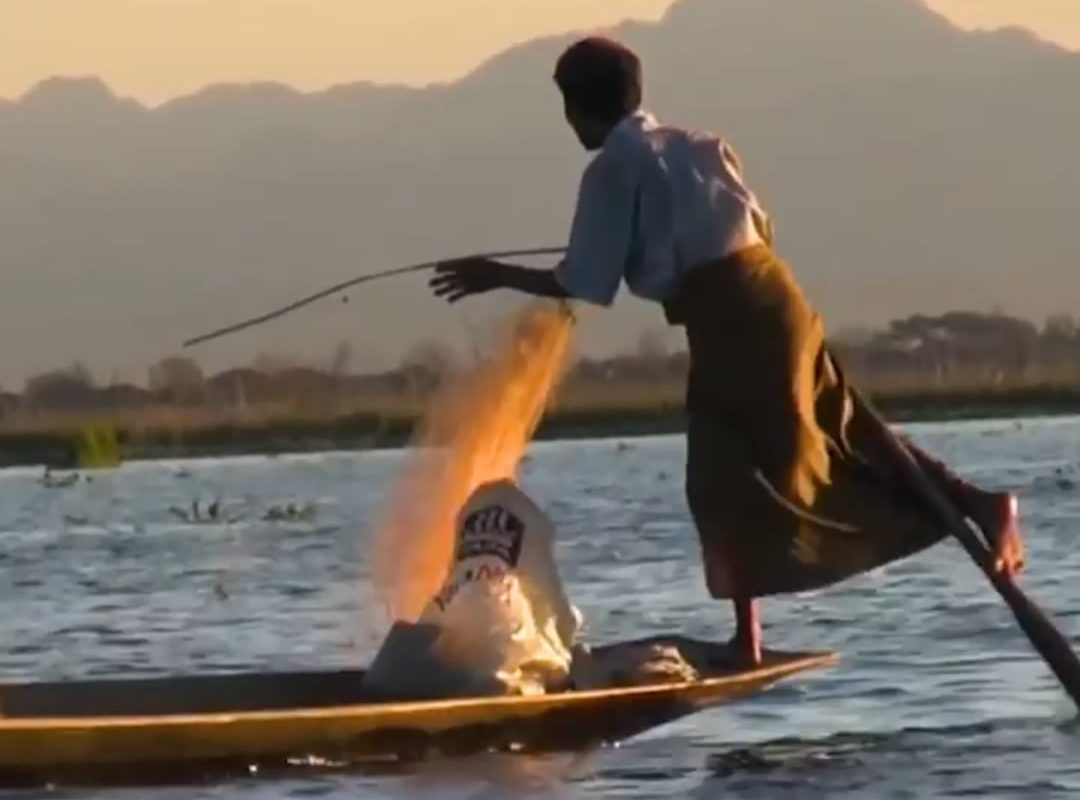
The Intha fishermen have a unique leg-rowing style
Title: One-Legged Rowers of Inle Lake: The Mesmerizing Tradition of Myanmar’s Intha Fishermen
Meta Description: Discover the fascinating leg-rowing technique of Myanmar’s Intha fishermen – a centuries-old tradition that blends skill, balance, and cultural identity on Inle Lake.
Introduction: A Dance on Water
In the misty mornings of Inle Lake, Myanmar (Burma), silhouettes glide effortlessly across the water in a spectacle that seems to defy gravity. These are the Intha fishermen, masters of a unique leg-rowing style that has captivated travelers and photographers for decades. Standing on one leg at the stern of their narrow wooden boats, they wrap the other leg around a single oar, using their entire body to propel forward with hypnotic grace. This extraordinary method isn’t just a fishing technique—it’s a symbol of heritage, adaptation, and human ingenuity
The Leg-Rowing Technique: How It Works
The Intha people, whose name literally translates to “sons of the lake,” developed their iconic rowing style over generations. Here’s how it works:
- Balance & Precision: Fishermen stand upright on one leg at the boat’s edge, leaving their hands free to manage nets or conical traps.
- The “Leg Wrap”: The other leg wraps around a long oar, using the foot and calf to steer and paddle in a fluid, circular motion.
- Full-Body Synchronization: This motion engages the core, legs, and hips, allowing them to navigate shallow waters while keeping eyes fixed on the lake’s surface for fish.
The result is almost balletic—a harmony of movement that lets them maneuver silently through floating gardens and reeds without startling aquatic life.
Why Row with a Leg? The Practical Origins
The Intha’s leg-rowing innovation isn’t just for show—it evolved as a practical solution to Inle Lake’s unique environment:
- Shallow Waters: The lake, nestled in Shan State, averages just 5–7 feet deep. Standing provides a better vantage point to spot fish and avoid tangled vegetation.
- Hands-Free Efficiency: With hands unburdened by paddles, fishermen can simultaneously cast nets, harvest crops from floating gardens, or adjust traps.
- Silent Fishing: The leg-driven paddle creates minimal disturbance, preventing fish from scattering.
Cultural Significance & Global Fascination
For the Intha, leg-rowing isn’t just a survival skill—it’s a cultural emblem passed down through families. Boys learn the technique from childhood, developing astonishing balance, leg strength, and spatial awareness. Today, this tradition draws global attention:
- Tourist Magnet: Visitors flock to Inle Lake to witness the fishermen at dawn, their silhouettes bathed in golden light, often photographed performing an iconic “one-legged stance” for demonstrations.
- Symbol of Resilience: Despite modern pressures like overfishing and tourism, the Intha preserve this art as a testament to their adaptability.
Challenges & Preservation Efforts
The leg-rowing tradition faces threats from environmental degradation, climate change, and dwindling fish stocks. NGOs and local cooperatives now focus on:
- Sustainable Fishing: Promoting catch limits and organic floating agriculture.
- Cultural Tourism: Training younger generations in leg-rowing while educating visitors on its significance.
- Eco-Conscious Travel: Encouraging responsible tours that support Intha communities without disrupting their way of life.
Conclusion: A Legacy on the Water
The Intha fishermen’s leg-rowing technique is more than a tourist attraction—it’s a living heritage, reflecting humanity’s ability to innovate within nature’s constraints. As you plan your journey to Myanmar, let the serenity of Inle Lake and the elegance of its rowers remind you: some traditions are too extraordinary to fade away.
FAQs About Intha Leg-Rowing Fishermen
Q: Can anyone try leg-rowing?
A: Tourists can attempt it (with guidance!), but mastering the balance takes years. Local guides offer short lessons!
Q: When’s the best time to see them?
A: Early morning or sunset, when fishermen are most active. Visit between October–March for calm, dry weather.
Q: Are women involved in leg-rowing?
A: Traditionally, men handle fishing, but women play vital roles in repairing nets and managing floating farms.
Q: Is rowing like this found elsewhere?
A: Rarely! Similar styles exist in parts of Cambodia and Vietnam, but none match the Intha’s iconic form.
Keywords for SEO:
Intha fishermen, leg-rowing technique, Inle Lake fishing, Myanmar cultural traditions, unique rowing style, one-legged fishing, Burmese lake culture, sustainable tourism Myanmar, Intha people heritage.
Craft your journey to Inle Lake, and witness this poetic dance between man and nature—an unforgettable glimpse into Myanmar’s soul.