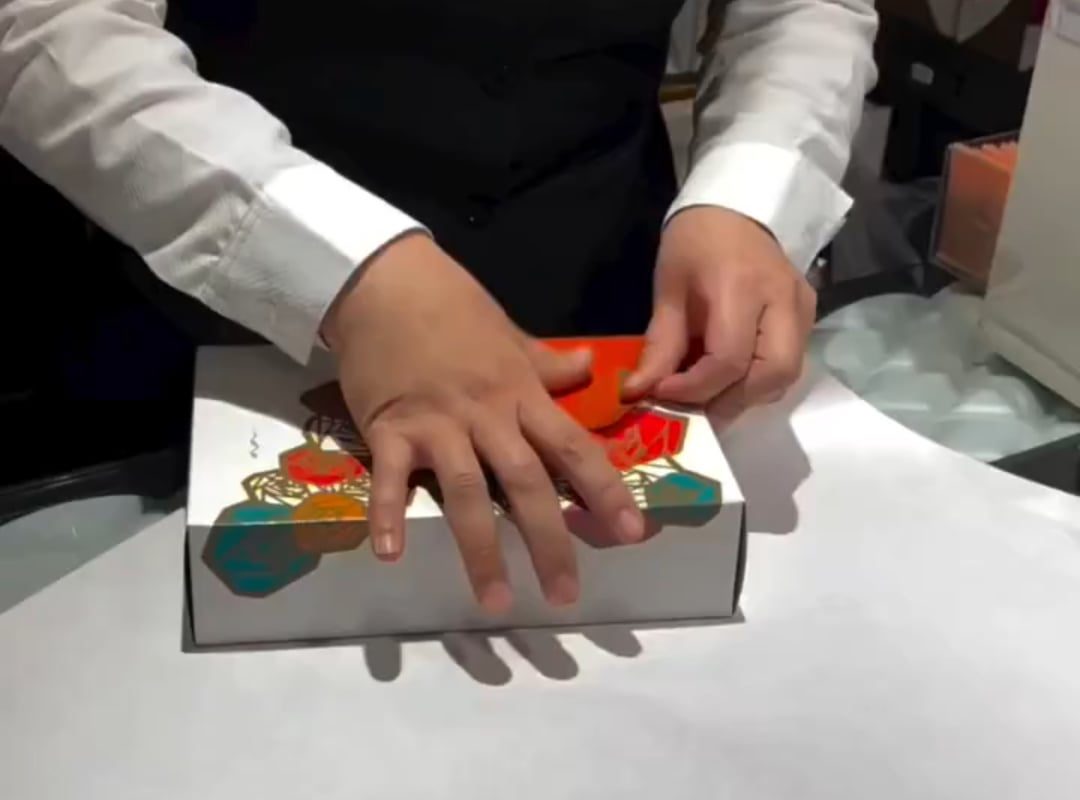
The Japanese style of wrapping gifts.
The Art of Japanese Gift Wrapping: Beauty, Mindfulness, and Sustainability
Gift-giving in Japan is far more than a simple exchange of objects—it is an act of respect, gratitude, and cultural expression. Central to this ritual is tsutsumi, the Japanese art of wrapping gifts. Unlike conventional wrapping, Japanese styles prioritize presentation as deeply as the gift itself, blending aesthetics, symbolism, and eco-conscious practices. In this guide, we explore the philosophy, techniques, and enduring charm of Japanese gift wrapping.
The Philosophy Behind Japanese Wrapping: Mindful Intentions
Japanese gift wrapping is rooted in concepts of mindfulness and intentionality. Every fold, knot, and material choice holds meaning:
- Omotenashi (Hospitality): The care taken in wrapping reflects the giver’s respect for the recipient.
- Mottainai (Anti-Waste): Reusable or natural materials minimize environmental impact, honoring resources.
- Wabi-Sabi: Imperfections and simplicity are embraced, celebrating authenticity over perfection.
This thoughtful approach transforms gift-giving into a meditative act, where the wrapping becomes an extension of the gift’s value.
Traditional Japanese Wrapping Techniques
1. Furoshiki: The Reusable Fabric Art
Furoshiki (風呂敷), dating back to the Edo period, uses square cloths to beautifully bundle items. Originally for carrying bathhouse belongings, it’s now a sustainable alternative to paper.
- Materials: Silk, cotton, or synthetic fabrics in patterns seasonally or symbolically significant (e.g., cherry blossoms for spring).
- Uses: Wrapping wine bottles, books, or bento boxes using techniques like the “basic carry” or “flower knot.”
- Eco-Advantage: Reusable for years, reducing single-use waste.
Pro Tip: Japan’s government promotes furoshiki to combat plastic pollution—learn simple wraps here.
2. Origata: Ceremonial Paper Folding
Used in formal occasions like weddings or tea ceremonies, origata adheres to strict rules based on Shinto and Buddhist traditions.
- Materials: Washi paper (handmade from mulberry bark) for durability and subtle texture.
- Symbolism: Colors and folds denote occasions—white and red for celebrations, black and white for condolences.
- Technique: Precise folds create geometric shapes, often left partially unwrapped to signify trust.
3. Mizuhiki: Decorative Knots with Meaning
Mizuhiki cords, made from rice paper or silk, adorn gifts with intricate knots symbolizing the relationship’s nature:
- Awabi Musubi (Knot): Unbreakable bonds (weddings).
- Cho Musubi (Butterfly Knot): For celebratory or reversible occasions.
- Colors: Red/white (joy), gold/silver (wealth), black/white (mourning).
Cultural Significance & Etiquette
Japanese wrapping isn’t arbitrary—every detail matters:
- Avoid Sharp Folds: Symbolizing severed relationships, soft curves are preferred.
- No Odd Numbers: Unless for somber events, odd-numbered items (like three knots) are avoided.
- Presentation Over Speed: The time invested conveys sincerity.
Why Japanese Wrapping Resonates Today
Modern audiences embrace Japanese techniques for their sustainability and elegance:
- Eco-Friendly: Furoshiki aligns with zero-waste lifestyles.
- Personalization: Each wrap tells a story through fabric patterns or mizuhiki choices.
- Mindful Gifting: Encourages slowing down and valuing the experience.
DIY Japanese-Inspired Wrapping
Try These Easy Steps:
- Furoshiki Square Wrap: Place item diagonally on cloth. Fold opposite corners, tie into a knot.
- Washi Paper Simplicity: Wrap loosely with washi tape, add a sprig of pine (longevity) or dried flowers.
- Mizuhiki Accent: Tie a basic bow with red/white cord for luck.
Conclusion: Wrapping as a Gift Itself
Japanese-style wrapping transcends aesthetics—it’s a heartfelt language of care, heritage, and sustainability. By adopting techniques like furoshiki or mindful material choices, you honor both the recipient and the planet. As the Japanese proverb says: “Kokoro o komete”—put your heart into it.
Meta Description: Discover the art of Japanese gift wrapping—furoshiki, origata, and mizuhiki—where beauty meets sustainability. Learn cultural meanings and DIY techniques for mindful gifting.
Target Keywords: Japanese gift wrapping, furoshiki, origata, mizuhiki, eco-friendly wrapping, Japanese traditions, sustainable wrapping, washi paper.
Adapt these timeless techniques to infuse deeper meaning into your gifts, and join a global movement toward conscious, beautiful giving. 🎁✨