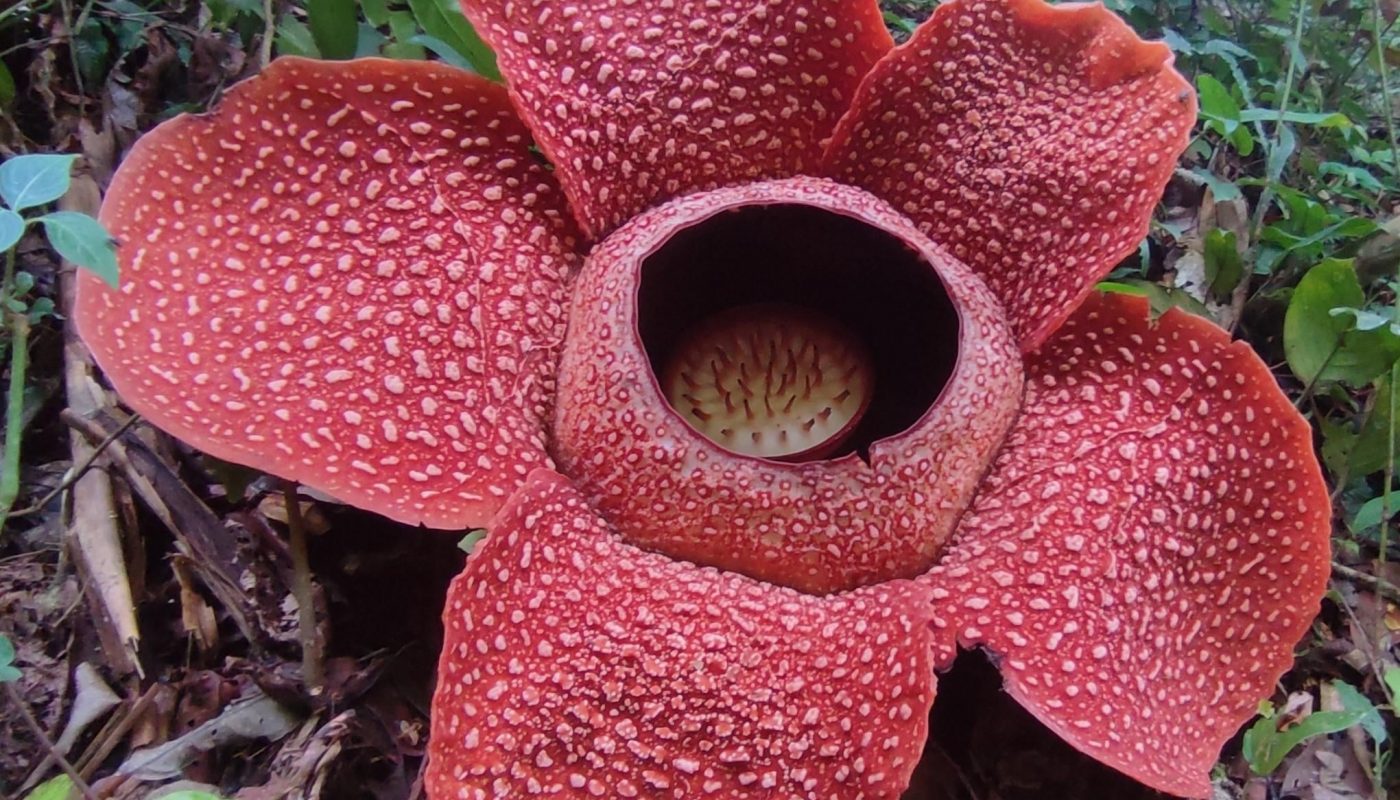
The largest flower on earth (and also the smelliest), meet the Corpse Lily (also known as Rafflesia)
Title: The Corpse Flower: Exploring Rafflesia, Earth’s Largest (& Smelliest) Bloom
Meta Description: Discover the Corpse Lily (Rafflesia), the world’s largest and smelliest flower. Learn about its unique biology, foul odor, and conservation status in this deep dive into nature’s most bizarre bloom.
H1: The Corpse Lily (Rafflesia): Earth’s Largest Flower—And Its Stench Will Shock You!
When it comes to botanical wonders, few plants capture the imagination—and nostrils—like the Corpse Lily, scientifically known as Rafflesia arnoldii. This rare flower is famous for two extreme traits: it’s the largest individual flower on Earth, and it emits a revolting odor reminiscent of rotting flesh. Found only in Southeast Asia’s rainforests, Rafflesia is a marvel of evolution and a testament to nature’s strangeness. In this guide, we’ll uncover the secrets of this “corpse flower,” its ecological role, and why preserving it is critical.
H2: What Is the Corpse Lily (Rafflesia)?
The Corpse Lily belongs to the genus Rafflesia, which includes 28 species of parasitic plants. The most iconic is Rafflesia arnoldii, named after British explorers Sir Stamford Raffles and Dr. James Arnold, who first documented it in Sumatra in 1818. Unlike most plants, Rafflesia has no roots, leaves, or stems. Instead, it survives by latching onto Tetrastigma vines in a parasitic relationship, stealing nutrients to fuel its growth.
H2: Why Is Rafflesia the Largest Flower on Earth?
Rafflesia holds the undisputed title of largest individual flower by size:
- Diameter: Up to 1 meter (3.3 feet) wide.
- Weight: Can exceed 11 kg (24 lbs).
- Petals: Thick, fleshy, and mottled with reddish-brown and white spots.
Its colossal size is an evolutionary adaptation to attract pollinators—but not the bees or butterflies you’d expect.
H2: The Smell of Death: Why Does the Corpse Flower Stink?
Dubbed the “corpse flower” (not to be confused with Amorphophallus titanum), Rafflesia emits a putrid odor likened to decaying meat. This stench serves a crucial purpose:
- Pollinator Lure: The smell attracts carrion flies and beetles, which mistake the flower for a dead animal.
- Heat Generation: The flower produces heat, enhancing the rotting-flesh illusion to trick pollinators into spreading its pollen.
The odor is strongest during its brief 5-7 day bloom, after which the flower collapses into a slimy black mush.
H2: A Lifecycle Shrouded in Mystery
Rafflesia’s lifecycle is as bizarre as its appearance:
- Seed Germination: Seeds infiltrate host vines through tiny wounds.
- Years of Growth: The plant grows invisibly inside the vine for 3-5 years before forming a cabbage-like bud.
- Blooming: The bud swells over months before bursting into its short-lived, stinky splendor.
Locals call the buds “monster cabbages” due to their alien-like appearance.
H2: Where Can You Find Rafflesia?
Rafflesia thrives in the rainforests of Indonesia, Malaysia, Thailand, and the Philippines, especially in Sumatra and Borneo. Spotting one is rare and requires expert guides, as blooms are seasonal and unpredictable.
H3: The Flower’s Biggest Threats
Despite its fame, Rafflesia is critically endangered due to:
- Deforestation: Logging and palm oil plantations destroy its habitat.
- Climate Change: Altered rainfall patterns disrupt growth cycles.
- Tourism Pressures: Unregulated visitors trample host vines and buds.
Conservationists are racing to protect Rafflesia by establishing reserves and promoting eco-tourism.
H2: Fascinating Facts About Rafflesia
- No Photosynthesis: Rafflesia lacks chlorophyll and can’t make its own food.
- Elusive Blooming: Only 15–20% of buds flower successfully.
- Cultural Symbol: In Southeast Asia, it’s featured on stamps, currency, and folklore as a symbol of uniqueness.
H3: FAQs About the Corpse Flower
Q: Is Rafflesia the same as the Titan Arum (Amorphophallus titanum)?
A: No! Though both are called “corpse flowers,” Titan Arum is a towering inflorescence, while Rafflesia is a single giant bloom.
Q: Can Rafflesia be grown in gardens?
A: Almost never. Its parasitic nature and fragile lifecycle make it nearly impossible to cultivate outside the wild.
Q: How can I see Rafflesia responsibly?
A: Book eco-tours with local guides in Borneo or Sumatra, and follow strict “no-touch” rules to protect the plants.
H2: Conclusion: Nature’s Most Macabre Masterpiece
The Corpse Lily isn’t just a record-breaking oddity—it’s a vital piece of rainforest biodiversity. As habitat loss accelerates, safeguarding Rafflesia means preserving the delicate ecosystems it calls home. Whether you’re fascinated by its size, repulsed by its stench, or awed by its survival strategy, Rafflesia reminds us that nature is full of astonishing extremes.
Final SEO Tip: Use keywords like “largest flower on earth,” “corpse flower Rafflesia,” “Rafflesia arnoldii,” and “smelliest flower” to optimize this content for search engines. Pair with striking visuals of the bloom for social media sharing!