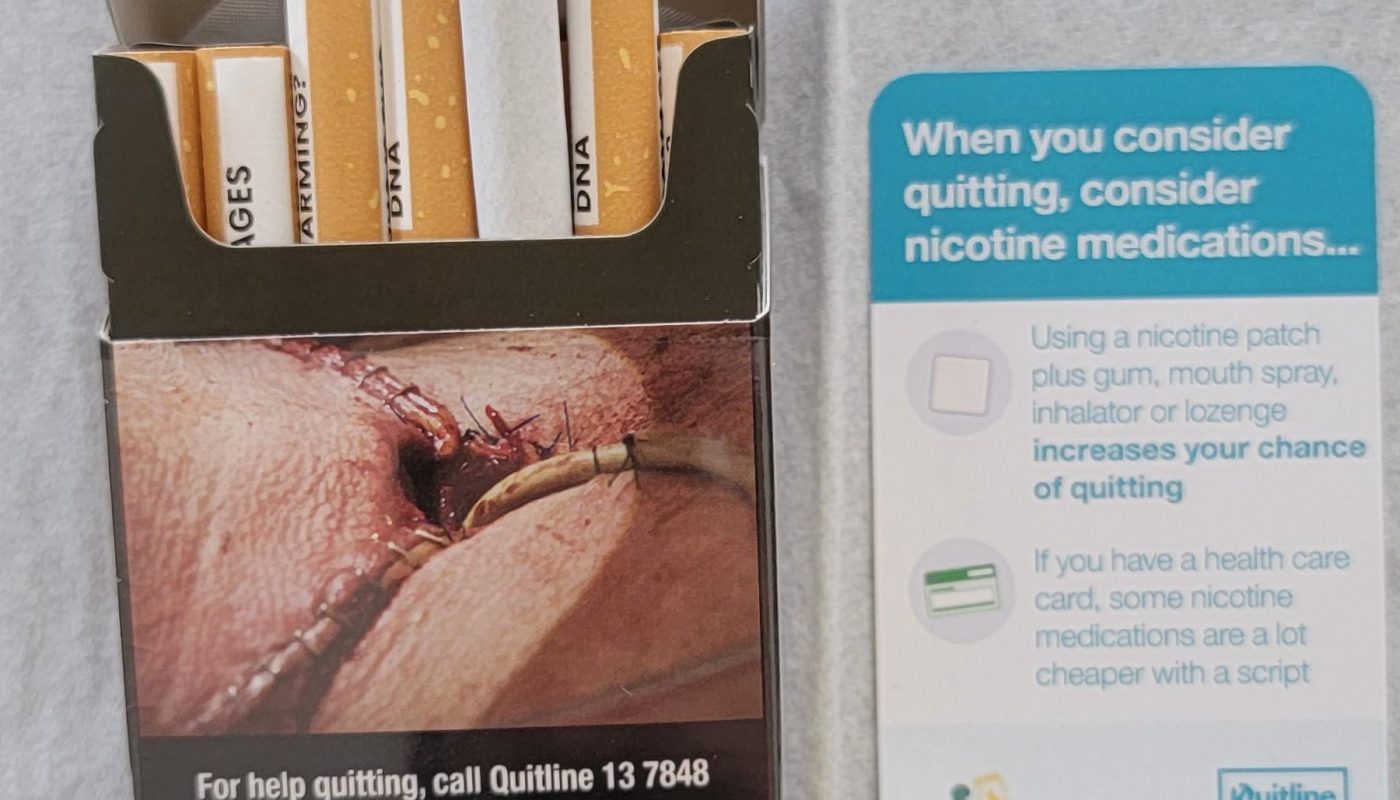
The most expensive and heavily regulated cigarette pack in the world: A standard “cheap” 20-pack from Australia ($39AUD / $26USD)
Title: Australia’s $39 Cigarette Packs: Inside the World’s Most Expensive & Regulated Tobacco Market
Meta Description: Explore why Australia’s cheapest 20-pack of cigarettes costs $39 AUD ($26 USD), the strict laws behind the price, and how this policy impacts public health and smokers.
The $39 Pack: Why Australia’s Cigarettes Are the Priciest on Earth
In Australia, a standard 20-pack of cigarettes costs a staggering $39 AUD (≈$26 USD)—the highest price in the world for a “cheap” pack. Often sold in drab olive-brown packaging plastered with graphic health warnings, these heavily regulated cigarette packs are part of a pioneering campaign to eradicate smoking. But how did Australia become the global benchmark for tobacco control? This article breaks down the taxes, laws, and public health strategies behind the world’s most expensive cigarettes.
1. The Price Breakdown: How Taxes Drive Up Costs
Over 64% of the retail price of a cigarette pack in Australia consists of tobacco taxes, including:
- Excise Tax: Adjusted biannually for inflation; currently ~$1.52 per cigarette ($30.40 per pack).
- Goods and Services Tax (GST): 10% added on top of the excise-inflated price.
These taxes have surged by over 20% annually since 2010 under Australia’s “Tobacco Plain Packaging Act,” making smoking unaffordable for many. A pack-a-day habit now costs smokers ~$14,000 AUD/year—equivalent to a small car.
2. World-First Regulations: Plain Packaging & Graphic Warnings
Australia’s aggressive anti-smoking policies include:
- Plain Packaging Laws (2012): All cigarettes must be sold in identical olive-brown packs with no branding, logos, or colors.
- Graphic Health Warnings: 75% of the pack’s front and 90% of the back display images of smoking-related diseases (e.g., lung cancer, gangrene).
- Minimum Pack Size (2020): A 20-pack is now the smallest legal option, eliminating cheaper 10-packs.
These rules, emulated by countries like France and the UK, aim to reduce smoking’s appeal and accessibility, especially among youth.
3. Public Health Impact: Do High Prices Work?
Yes—dramatically. Since plain packaging and tax hikes began in 2012:
- Adult smoking rates plummeted from 19.4% to 10.1% (2023).
- Daily teenage smokers fell to just 1.8% (vs. 10% in 2001).
- The government estimates these policies prevent 100,000+ deaths by 2030.
Critics argue high prices fuel a $1 billion black market for illicit tobacco, especially in border regions. However, the Australian Border Force reports record seizures (∼500 tons annually), and surveys show most smokers still buy legal packs despite the cost.
4. The Future: Are Cigarettes Being Phased Out?
Australia’s endgame strategy includes:
- Annual 12.5% tax increases until 2030, pushing packs toward $60 AUD.
- Banning Additives like menthol (2025) to make smoking less palatable.
- Prescription-Only Nicotine Vapes to limit youth access while providing safer alternatives to adult smokers.
The goal? Under 5% smoking prevalence by 2030—a “tobacco-free generation.”
Conclusion: A Global Blueprint for Tobacco Control
Australia’s $39 cigarette packs are more than a price tag—they’re a radical public health experiment. By weaponizing cost, psychology, and regulation, the country has cut smoking rates faster than almost any nation. While controversial, the results speak volumes: higher prices save lives. For countries battling smoking-related deaths, Australia’s model offers a powerful, if polarizing, roadmap.
Keywords: Australia expensive cigarettes, $39 cigarette pack, plain packaging laws Australia, tobacco taxes Australia, cigarette price hike, anti-smoking policies, graphic health warnings, tobacco control, cigarette black market, Australia public health.