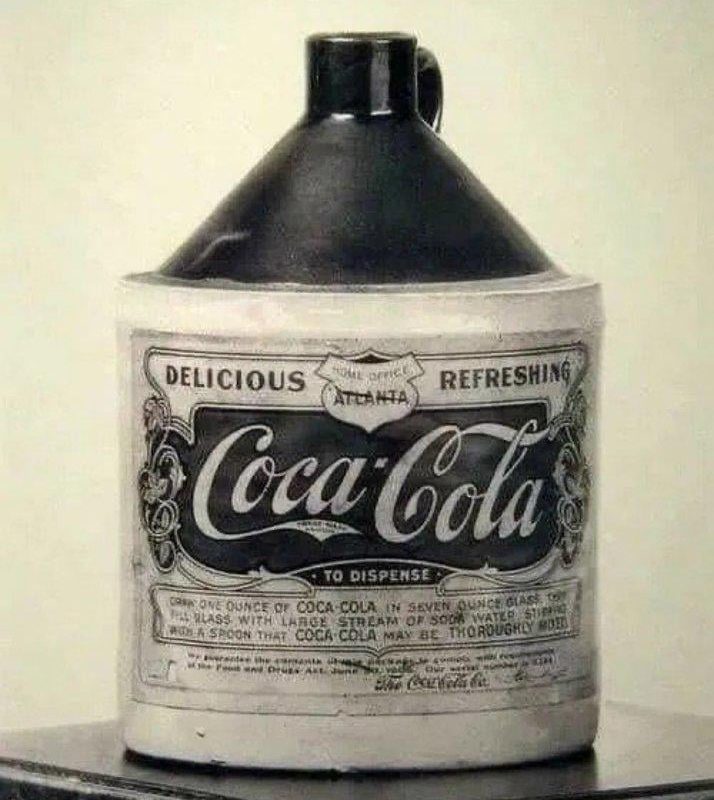
The original Coca-Cola, first sold publicly in 1886, contained cocaine from coca leaf extract—about 9 mg per glass. It was removed by 1903 due to regulations, with all traces gone by 1929.
Title: The Secret History of Coca-Cola: When the World’s Favorite Soda Contained Cocaine
Meta Description: Discover the shocking truth about the original Coca-Cola formula—how it contained cocaine, why it was removed, and how this iconic drink transformed into the caffeine-only beverage we know today.
Introduction: The Bubbly Beginnings of a Controversial Recipe
When Coca-Cola first fizzed onto the scene in 1886, it wasn’t just another soda—it was a medicinal tonic boasting a bold secret ingredient: cocaine. Invented by pharmacist John Pemberton, the original Coca-Cola formula included extracts from coca leaves (the source of cocaine) and kola nuts (packed with caffeine). This unusual combination promised to cure ailments from fatigue to headaches, but it also delivered a literal “kick”—roughly 9 milligrams of cocaine per glass. In this deep dive, we’ll explore Coca-Cola’s cocaine-infused origins, the societal shift that forced its removal, and how the brand reinvented itself to become a global icon.
Coca-Cola’s Cocaine Era: A “Brain Tonic” for the Masses
In the late 19th century, cocaine wasn’t yet stigmatized. It was a common ingredient in tonics, elixirs, and even early versions of wine and cough syrup. Pemberton marketed Coca-Cola as a “valuable brain tonic” that could relieve exhaustion, soothe nerves, and even treat morphine addiction (a claim tied to Pemberton’s own struggles with the drug).
The Coca Leaf Connection
- From Coca to Cocaine: Coca-Cola’s name comes from its two key ingredients: coca leaves (for cocaine) and kola nuts (for caffeine). The coca leaf extract gave the drink its signature stimulant effect.
- Dosing the Public: Each serving contained approximately 9 milligrams of cocaine—a mild dose compared to powdered recreational cocaine but still potent enough to provide an energy boost.
This formula thrived in an era where cocaine was legal and celebrated. By 1895, Coca-Cola was sold in every U.S. state as a refreshing soda fountain drink—and a pick-me-up for overworked Americans.
The Fall of Cocaine-Cola: Regulation and Reinvention
By the early 1900s, attitudes toward cocaine shifted dramatically. Reports of addiction, racialized fears, and the drug’s link to crime led to public outcry. New regulations, like the 1906 Pure Food and Drug Act, forced companies to disclose habit-forming ingredients—including cocaine.
Phasing Out the Cocaine (1903–1929)
- 1903: Coca-Cola replaced fresh coca leaves with “spent” leaves (post-cocaine extraction) to comply with regulations.
- 1929: The company adopted a decocainized coca leaf extract, removing all traces of cocaine while retaining the flavor.
Critics speculate the cocaine’s removal was as much about PR as legality. Coca-Cola wanted to rebrand as a family-friendly beverage, not a drug-laced tonic.
Why Coca-Cola Still Uses Coca Leaves Today
Yes, modern Coca-Cola technically still contains coca leaves—but no cocaine. The company imports decocainized leaves from Bolivia and Peru under a special U.S. government exemption. A New Jersey chemical plant processes the leaves to extract the flavor essence (minus the drug), which gives Coke its distinctive taste. The cocaine byproduct? It’s sold legally to pharmaceutical companies for medical use.
From Controversy to Global Dominance
Coca-Cola’s evolution mirrors societal changes in drug policy and consumer values. Removing cocaine didn’t hurt sales—instead, clever marketing (like Santa Claus ads in the 1930s) transformed it into a symbol of American optimism. Today, Coca-Cola relies on caffeine (34 mg per 12 oz) for its energizing effect but remains notoriously secretive about its “Merchandise No. 5” coca flavoring.
FAQs About Coca-Cola’s Cocaine History
-
Was original Coca-Cola addictive?
Yes—though not solely due to cocaine. The combo of caffeine and sugar (and earlier, cocaine) created a habit-forming buzz. -
Did people know it had cocaine?
Initially, no. Coca-Cola’s early ads focused on refreshment, not ingredients. By 1903, backlash forced transparency. -
Is there cocaine in Coke today?
Absolutely not. Every drop is rigorously tested to comply with global food safety laws.
Conclusion: A Legacy of Reinvention
The original Coca-Cola formula—with its cocaine kick—is a relic of a bygone era. Yet this audacious history shaped the brand’s identity. By adapting to regulations and public sentiment, Coca-Cola didn’t just survive; it became the world’s most recognizable beverage. Next time you sip a Coke, remember: behind its sweet fizz lies a story of controversy, science, and brilliant marketing that turned a cocaine tonic into a global phenomenon.
Keyword Focus: Original Coca-Cola cocaine, Coca-Cola history, coca leaf extract, cocaine in soda, 1886 Coca-Cola formula, why was cocaine removed from Coke.
Optimized Tags: #CocaColaHistory #CocaineInSoda #FoodFacts #BeverageIndustry #SecretRecipes