The Other Side of Great Wall of China
Title: The Unseen Great Wall: 7 Hidden Truths Beyond Tourism
Meta Description: Venture beyond the postcard views! Explore the lesser-known side of China’s Great Wall—its untold stories, environmental strains, preservation battles, and forgotten sections.
Introduction: The Great Wall’s Hidden Narrative
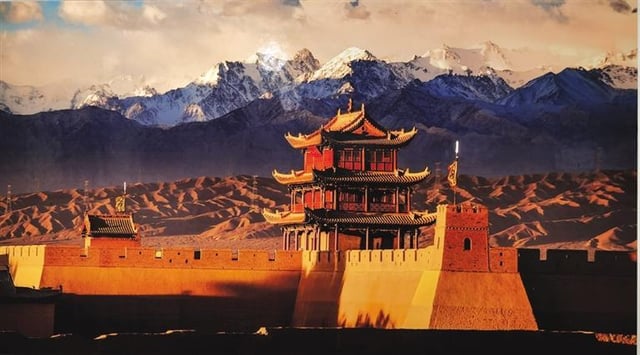
The Great Wall of China is a global icon, synonymous with ancient ingenuity and resilience. But behind its majestic battlements and photogenic sunsets lies a side rarely discussed—the human tragedies, ecological footprints, and fading whispers of history. This article uncovers the “other side” of the Great Wall, revealing truths that challenge popular myths and inspire deeper reflection.
1. The Human Cost: Blood Mortared into Brick
- Workers, Not Warriors: While emperors claimed glory, the Wall was built by soldiers, convicts, and peasants—many forced into labor. An estimated 400,000–1 million workers died during construction, earning it the nickname “The Longest Cemetery on Earth.”
- Harsh Realities: Workers faced extreme weather, malnutrition, and brutal punishments. Legends say their bodies were buried within the Wall itself, though historians debate this.
2. Myth vs. Reality: Shattering Misconceptions
- Space Visibility? Contrary to myth, the Wall is not visible from the Moon (or even low Earth orbit without aid). Its width and materials blend into the landscape.
- A Unified Wall? It’s not a single structure! The Wall is a patchwork of segments built over 2,000 years, with some sections crumbling while others were never connected.
3. Vanishing Sections: The Race Against Time
- Erosion & Neglect: Over 30% of the Ming Dynasty walls have vanished due to natural erosion, landslides, and theft of bricks for modern farms. In remote regions like Gansu, sections collapse daily.
- Tourism’s Double-Edged Sword: Crowded hotspots like Badaling fund preservation but accelerate wear. Lesser-known sections (e.g., Jiankou) remain “wild” but risk disappearing without intervention.
4. The Wall’s Forgotten Faces: Beyond China
- Mongolia’s “Genghis Khan Wall”: Lesser-known walls stretch into Mongolia and Korea, built by smaller dynasties to defend against China—a twist on the Wall’s legacy.
5. Environmental Impact: Nature Under Siege
- Habitat Fragmentation: The Wall disrupts wildlife corridors, affecting species like the elusive North China leopard.
- Tourism Footprint: Litter, pollution, and invasive plant species threaten biodiversity. Conservationists now advocate for “green trails” and visitor caps.
6. Cultural Echoes: Stories in the Shadows
- Guard Towers as Time Capsules: Inscriptions by soldiers reveal loneliness and homesickness. One reads: “I guard this tower alone. How many autumns must I endure?”
- Modern Symbolism: For China’s ethnic minorities, the Wall embodies historical oppression—a stark contrast to its nationalist image.
7. Visiting Responsibly: How You Can Help
- Explore Wisely: Skip overcrowded Badaling. Opt for restored yet quieter sections like Mutianyu or hike the rugged Jinshanling.
- Support Preservation: Donate to NGOs like The Great Wall Society or join volunteer clean-up trips.
- Leave No Trace: Pack out trash, stay on paths, and avoid graffiti—every brick tells a story worth protecting.
Conclusion: A Legacy Worth Preserving
The Great Wall is more than a marvel; it’s a testament to humanity’s ambition and fragility. By acknowledging its hidden scars—from lost lives to fading bricks—we honor its full history. As travelers, our choices can ensure this wonder endures for centuries to come.
Keywords for SEO:
Great Wall hidden stories, Great Wall environmental impact, Great Wall untold history, Jiankou Great Wall, Great Wall preservation, Great Wall myths, responsible tourism Great Wall.
Image Suggestion: A split-image contrast—a polished tourist section vs. a crumbling, ivy-covered segment—with the caption: “Two sides of the same Wall.”
By weaving lesser-known facts with actionable insights, this piece invites readers to see the Great Wall not just as a monument, but as a mirror reflecting our relationship with history and nature. 🌏🛤️