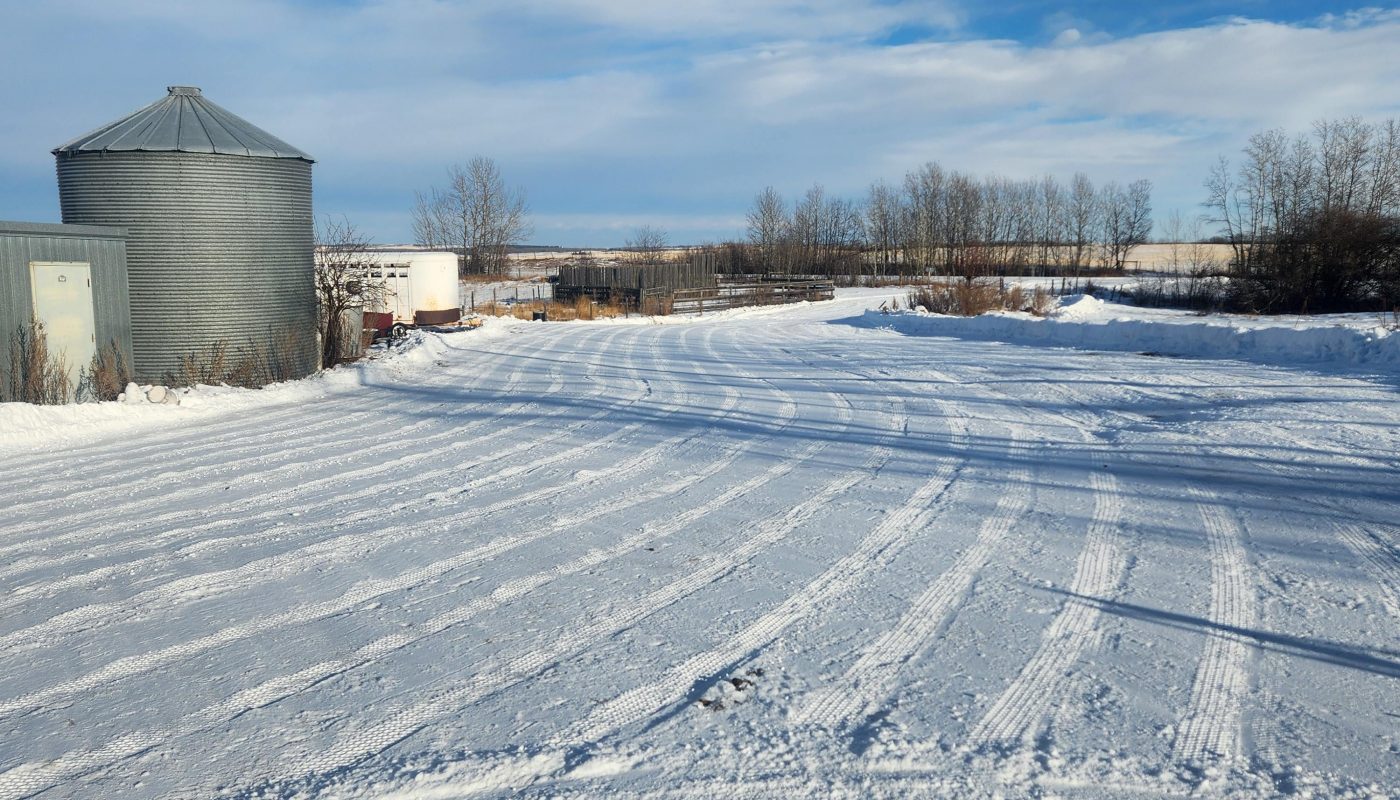
The plow lines after clearing my yard.
Meta Title:
How to Fix & Prevent Plow Lines After Clearing Your Yard
Meta Description:
Discover causes, solutions, and prevention tips for unsightly plow lines left after clearing your yard. Restore your lawn’s health and beauty fast!
Plow Lines After Yard Clearing: Causes, Fixes, and Prevention
Clearing your yard with heavy machinery—like skid steers, tractors, or bulldozers—can leave behind deep, unsightly grooves known as plow lines. These ruts disrupt the landscape’s aesthetics, damage soil health, and even hinder grass growth. In this guide, we’ll explore why plow lines happen after yard clearing, how to fix them, and best practices to avoid them in the future.
What Causes Plow Lines After Yard Clearing?
Plow lines (or “rutting”) occur when heavy equipment compacts soil unevenly. Common causes include:
- Equipment Weight: Heavy machinery sinks into soft or wet soil, leaving grooves.
- Operator Technique: Inconsistent speed, sharp turns, or uneven blade angles create deeper tracks.
- Soil Conditions: Wet or loose soil is more prone to compaction and rutting.
- Implement Choice: Blades or plows that dig too aggressively leave pronounced lines.
How to Fix Plow Lines in Your Yard
1. Grading & Leveling
- Topsoil Redistribution: Use a rake, shovel, or landscape box blade to spread soil back into grooves.
- Mechanical Leveling: Rent a tractor-mounted landscape rake or York rake to smooth large areas efficiently.
2. Aerate Compacted Soil
- Core Aeration: Rent an aerator to puncture holes in compacted soil, improving water infiltration and root growth.
- Deep Tilling: For severe compaction, use a rototiller (6–12 inches deep) to break up hardened soil before regrading.
3. Amend Soil & Restore Nutrients
- Compost/Mulch: Mix 1–2 inches of compost into leveled soil to boost fertility.
- Gypsum or Sand: Add gypsum to clay-heavy soils or sand to improve drainage.
4. Reseed or Resod
- Overseeding: Sprinkle grass seed over repaired areas and water daily.
- Sodding: For instant results, lay sod over leveled ground and keep moist for 2 weeks.
5. Professional Landscaping Help
For large-scale repairs, hire a landscaper with laser-guided grading equipment for precision leveling.
Preventing Plow Lines in Future Projects
- Choose Lighter Equipment: Opt for smaller machines like compact tractors or lawn rollers for lighter jobs.
- Work in Dry Conditions: Avoid operating heavy machinery after rain or irrigation.
- Adjust Implement Depth: Set plow blades higher to avoid digging too deep.
- Use Track Mats or Plywood: Place protective layers over turf to distribute equipment weight.
- Hire Experienced Operators: Skilled operators minimize unnecessary turns and uneven pressure.
Long-Term Lawn Health After Clearing
- Monitor Drainage: Ensure plow lines haven’t disrupted water flow (e.g., pooling or erosion).
- Soil Testing: Check pH and nutrient levels annually to maintain fertile ground.
- Regular Aeration: Aerate yearly to prevent re-compaction, especially in high-traffic zones.
FAQs About Plow Lines After Yard Work
Q: How long does it take for ruts to heal naturally?
A: Without intervention, minor ruts may take months to fade. Repair accelerates recovery to 4–6 weeks.
Q: Can plow lines kill grass?
A: Yes—compaction suffocates roots. Reseed or aerate to revive damaged turf.
Q: Is grading expensive?
A: DIY grading costs $50–$300 (tool rental + soil). Professional grading averages $500–$2,000 depending on yard size.
Q: Will grass grow back over plow lines?
A: Grass struggles in compacted ruts. Amend soil and reseed for best results.
Final Tip: Address plow lines quickly to avoid erosion and long-term lawn damage. With the right tools and techniques, your yard will regain its smooth, lush appearance in no time!
Need professional help? Contact local landscaping services for quote comparisons tailored to your soil type and yard size.