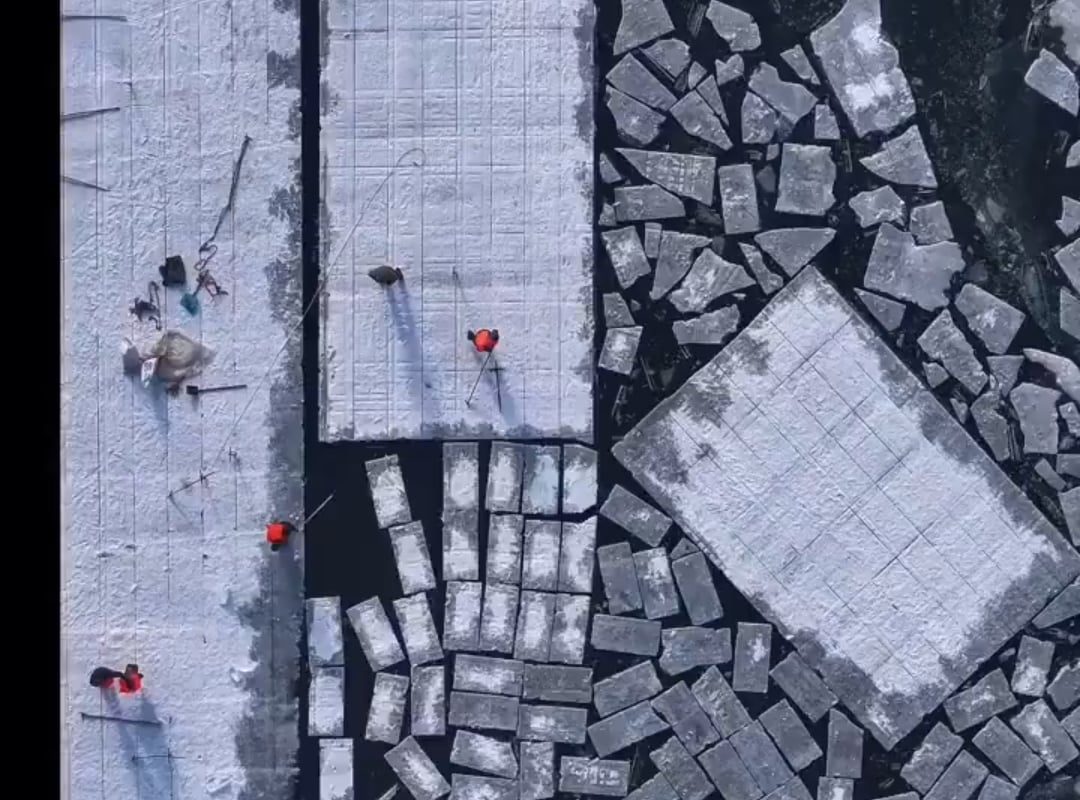
The process of ice removal and harvesting
Title: The Complete Guide to Ice Removal and Harvesting: Processes, Methods, and Applications
Meta Description: Discover the fascinating processes of ice removal and harvesting, from traditional methods to modern industrial techniques. Learn how ice is harvested for commercial use and how surface ice is safely removed.
Introduction
Ice removal and harvesting are critical processes in industries ranging from food and beverage to aviation and agriculture. While ice harvesting refers to the collection or production of ice for commercial or personal use, ice removal involves safely eliminating unwanted ice from surfaces like roads, aircraft, or equipment. This guide breaks down the science, tools, and best practices behind these essential operations.
Part 1: Ice Harvesting – From Nature to Industrial Production
1. Traditional Ice Harvesting (Natural Sources)
Historically, communities harvested ice from frozen lakes and rivers during winter. The process involved:
- Cutting Blocks: Workers used hand saws or horse-drawn blades to cut uniform ice blocks (often 2×2 feet).
- Storage: Blocks were insulated in ice houses with sawdust or straw to preserve them through warmer months.
- Transport: Ice was distributed via railroads or ships for refrigeration before electric cooling existed.
2. Modern Industrial Ice Production
Today, most commercial ice is manufactured mechanically. Key methods include:
- Tube Ice: Water freezes inside vertical tubes, creating hollow cylindrical ice ideal for beverages.
- Flake Ice: Thin, soft ice flakes are scraped off a cooled drum—perfect for seafood preservation or concrete cooling.
- Block Ice: Large blocks (up to 300 lbs) are frozen in molds, then cut for retail or industrial use.
- Nugget Ice: Chewable “Sonic ice” made by compressing flake ice, popular in healthcare and hospitality.
Steps in Mechanical Ice Harvesting:
- Filtration: Water is purified to remove impurities.
- Freezing: Water is circulated over refrigerated plates, cylinders, or molds.
- Harvesting: Automated systems release ice using heat, vibrations, or mechanical scrapers.
- Storage: Ice is kept in insulated bins at sub-zero temperatures to prevent melting.
Part 2: Ice Removal – Techniques and Safety
1. Surface Ice Removal (De-Icing)
Unwanted ice poses safety risks on roads, aircraft, and infrastructure. Common removal methods:
- Chemical De-Icers: Salt (sodium chloride), calcium chloride, or glycol-based solutions lower water’s freezing point.
- Mechanical Removal: Plows, scrapers, or brushes physically break up ice layers.
- Thermal Methods: Heated mats, hot water, or infrared systems melt ice on sensitive equipment like wind turbines.
2. Specialized Applications
- Aviation: Aircraft are sprayed with glycol-based fluids before takeoff to prevent icing.
- Agriculture: Ice is removed from greenhouses or irrigation systems to protect crops.
- Energy: Power lines use vibrating “de-icer bots” to prevent ice buildup that could cause collapses.
Safety Tips for Ice Removal:
- Avoid corrosive chemicals on delicate surfaces (e.g., concrete or vegetation).
- Prioritize eco-friendly options like beet juice brine or sand for traction.
- Use insulated gloves and eye protection when handling mechanical tools.
Part 3: The Future of Ice Management
- Sustainability: Renewable energy-powered ice plants and biodegradable de-icers are gaining traction.
- Automation: AI-driven harvesters and robotic snowplows improve efficiency in large-scale operations.
- Innovation: Engineers are testing graphene-coated surfaces to prevent ice adhesion entirely.
FAQs About Ice Removal and Harvesting
Q: How long can harvested ice last in storage?
A: Properly insulated block ice can last 6–12 months in a climate-controlled facility.
Q: Is manufactured ice safer than natural ice?
A: Yes—industrial ice uses filtered water, reducing contamination risks compared to lake ice.
Q: What’s the fastest way to melt thick ice on a driveway?
A: Calcium chloride melts ice faster than salt at lower temperatures (-25°F vs. 15°F).
Conclusion
From ancient ice houses to automated factories, ice harvesting and removal have evolved to meet global demands for safety, convenience, and efficiency. Whether producing pristine ice for cocktails or clearing runways during snowstorms, these processes rely on innovation and precision. As technology advances, expect greener, smarter solutions to shape the future of ice management.
Target Keywords:
- Ice harvesting process
- Industrial ice production
- Ice removal techniques
- Commercial ice making
- De-icing methods
Optimization Tips:
- Include internal links to related articles (e.g., “How Ice is Made” or “Eco-Friendly De-Icing Solutions”).
- Add high-resolution images (ice harvesting machinery, de-icing trucks).
- Embed a short video demonstrating mechanical ice production.
By structuring your content with clear headers, bullet points, and targeted keywords, this SEO-friendly guide will rank higher and engage readers seeking actionable insights into ice-related processes. ❄️