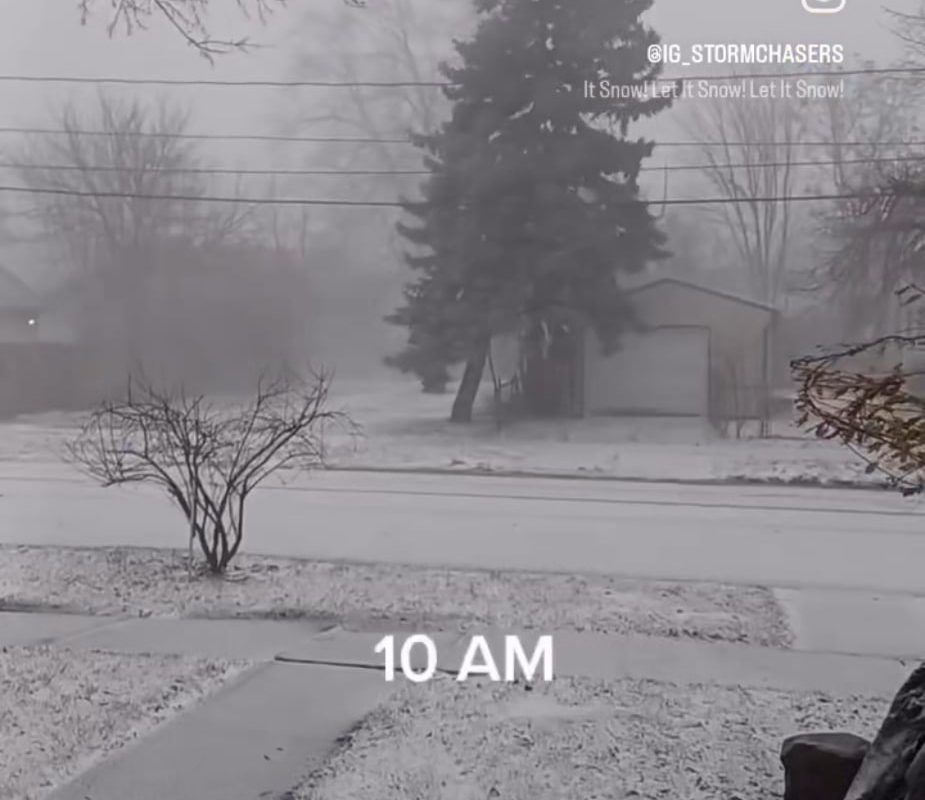
The progression of a blizzard in Buffalo, NY, over the course of 12 hours
Meta Description: Discover how a devastating blizzard unfolds over 12 hours in Buffalo, NY—a city infamous for lake-effect snowstorms. Learn about warning signs, impacts, survival tips, and historical context.
The 12-Hour Progression of a Blizzard in Buffalo, NY: From Calm to Catastrophe
Buffalo, New York, is no stranger to extreme winter weather. Situated along Lake Erie, the city experiences some of the most intense lake-effect snowstorms in the U.S., with blizzards capable of paralyzing infrastructure, stranding residents, and testing emergency response systems. In this article, we break down the progression of a typical Buffalo blizzard over 12 hours, revealing how quickly conditions deteriorate and offering critical safety insights.
Why Buffalo’s Blizzards Are So Dangerous
Before diving into the timeline, it’s essential to understand why Buffalo is so vulnerable:
- Lake-Effect Snow: Cold Arctic air sweeps over warmer Lake Erie, fueling intense, localized snowbands.
- Wind Patterns: Gusts exceeding 50 mph create whiteout conditions and wind chills below -20°F.
- Topography: The region’s flat terrain allows snow to drift rapidly, burying roads and buildings.
According to the National Weather Service (NWS), Buffalo averages 95 inches of snow annually, but single storms can dump 2–4 feet in under 24 hours. The December 2022 blizzard—which claimed 47 lives—serves as a grim reminder of the city’s exposure.
Hour-by-Hour Breakdown: A Blizzard’s Wrath Unfolds
Hour 0: Initial Conditions (Calm Before the Storm)
- Weather: Overcast skies, temperatures hovering around 20°F.
- Forecast: The NWS issues a Blizzard Warning 12–24 hours in advance, urging residents to prepare.
- Human Activity: Grocery stores see crowds stocking up on essentials; road crews pretreat highways with brine.
Hours 1–3: Early Warning Signs
- Snow Begins: Light snow starts falling, accumulating at 1–2 inches per hour.
- Wind Ramps Up: Gusts reach 30–40 mph, reducing visibility to ½ mile.
- Impacts: Schools dismiss early; flights at Buffalo Niagara International Airport face delays.
Hours 4–6: Whiteout Conditions Engulf the City
- Snow Intensifies: Lake-effect bands lock in, dumping 3+ inches per hour.
- Visibility Drops: Near-zero visibility makes driving impossible (“thundersnow” may occur).
- Critical Developments:
- I-90 and other major highways close.
- Power outages begin as heavy snow weighs down lines.
- Emergency bans prohibit nonessential travel.
Hours 7–9: Peak Fury of the Storm
- Extreme Accumulation: Snow totals surpass 18–24 inches in hardest-hit areas like South Buffalo.
- Life-Threatening Winds: Gusts exceed 60 mph, creating 10+ foot drifts.
- Emergency Response: Rescue teams deploy snowmobiles and plows to reach stranded motorists. Hospitals activate backup generators.
Hours 10–12: The Storm’s Icy Grip Tightens
- Snow Slows, But Danger Persists: Snowbands shift eastward, but wind keeps visibility dangerously low.
- Urban Paralysis: Streets are impassable; hundreds of vehicles abandoned.
- Cold Risks: Temperatures plummet, raising hypothermia risks for those stranded.
Lessons from History: Buffalo’s Most Notorious Blizzards
- 1977 “Blizzard of ’77”: Winds whipped existing snow into 30-foot drifts, killing 29 people.
- 2014 “Snowvember” Storm: 88 inches fell in 3 days, collapsing roofs and trapping residents.
- 2022 Christmas Blizzard: A historic bomb cyclone led to a multi-day travel ban and tragic fatalities.
How to Survive a Buffalo Blizzard: Critical Tips
- Prepare Early: Keep a 72-hour emergency kit (food, water, medications, batteries).
- Stay Indoors: Avoid travel unless absolutely necessary.
- Prevent Carbon Monoxide Poisoning: Ensure vents for generators/heating systems are clear.
- Monitor Alerts: Use NOAA Weather Radios or apps for real-time updates.
The Aftermath: Recovery Takes Weeks
Even after 12 hours, the blizzard’s impacts linger:
- Digging Out: Front-end loaders clear streets; residents shovel roofs to prevent collapses.
- Economic Toll: Businesses lose millions per day; supply chains falter.
- Community Resilience: Neighbors rally to check on vulnerable populations.
Final Thoughts
Buffalo’s blizzards showcase nature’s raw power—and human adaptability. Understanding the storm’s progression empowers residents to act decisively, potentially saving lives. Always heed warnings, respect travel bans, and prioritize safety during these whiteout marathons.
Rank Keywords: “Buffalo blizzard progression,” “lake-effect snow timeline,” “Buffalo snowstorm survival,” “historic NY blizzards,” “how long do blizzards last.”
Internal Links: Link to related articles like “Top 5 Winter Survival Hacks” or “Why Lake-Effect Snow Targets Buffalo.”