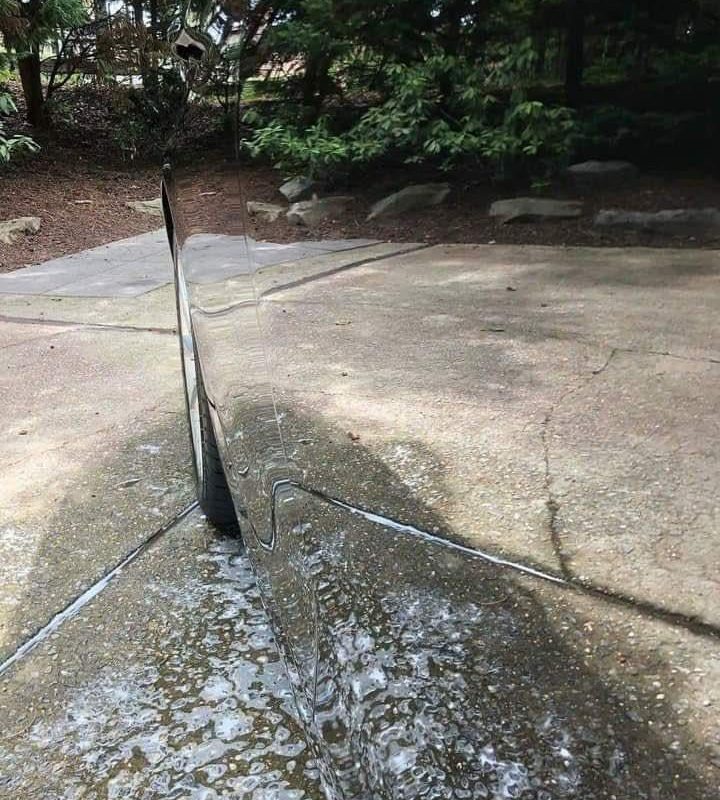
The quality of this cars paint job
Title: Understanding the Quality of Your Car’s Paint Job: A Comprehensive Guide
Introduction
A car’s paint job is more than just a cosmetic feature—it’s the vehicle’s first line of defense against rust, UV damage, and environmental wear. Whether you’re buying a new car, restoring a classic, or evaluating a used vehicle, understanding the quality of the paintwork is critical. In this guide, we’ll break down what makes a paint job stand out, common pitfalls to watch for, and how to maintain it for lasting brilliance.
What Defines a High-Quality Paint Job?
A top-tier paint job hinges on several factors:
-
Preparation Work
- Sanding, priming, and smoothing the surface are foundational steps. Poor prep leads to uneven textures, bubbles, or premature peeling.
- Factory paint jobs (OEM) often excel here, while aftermarket resprays vary in quality.
-
Paint Application
- Layers: High-quality finishes include multiple coats: primer, basecoat (color), and clear coat (for gloss and protection).
- Technique: Professional spray guns and controlled environments (like dust-free booths) ensure even coverage.
-
Materials Used
- Premium automotive paints (e.g., urethane or ceramic-based) resist fading, chipping, and chemicals better than budget options.
- Factory paint typically uses advanced formulations tested for durability.
-
Finish and Details
- Gloss and Depth: A mirror-like shine with no orange peel (textured, dimpled surfaces) signals expertise.
- Edges and Seams: Paint should wrap smoothly into door jambs, under hoods, and around trim without overspray.
Red Flags: Signs of a Poor Paint Job
Spotting subpar paint early can save you from costly fixes down the road. Watch for:
- Uneven Color or Texture: Check for blotches, drips, or rough patches in sunlight.
- Overspray: Paint on rubber seals, windows, or unintended areas indicates rushed work.
- Fading or Oxidation: Chalky, dull patches suggest cheap materials or lack of UV protection.
- Peeling or Bubbling: Flaking clear coat or bubbles signal poor adhesion due to improper prep.
- Mismatched Panels: Variations in color between body panels hint at repairs or replacements.
Why Paint Quality Matters Beyond Aesthetics
- Resale Value: Faded or peeling paint can slash a car’s resale price by up to 10-15%.
- Rust Prevention: Chips and cracks expose metal to moisture, leading to corrosion.
- Longevity: Quality paint shields against road salt, bird droppings, and tree sap, prolonging the car’s lifespan.
DIY vs. Professional Paint Jobs: Which Is Worth It?
- DIY Kits: Affordable but prone to errors without proper tools and skill. Best for small touch-ups.
- Professional Resprays: Costly ($1,000–$10,000+) but deliver OEM-level quality with warranties. Ideal for full restorations.
- Factory Paint: Built to last 10+ years with minimal upkeep; aftermarket options rarely match this standard.
Maintaining Your Car’s Paint for Long-Term Quality
Protect your investment with these steps:
- Regular Washing: Use pH-balanced car shampoo and microfiber cloths to avoid scratches.
- Waxing or Ceramic Coating: Apply every 3–6 months to enhance shine and repel contaminants.
- Paint Protection Film (PPF): Clear vinyl shields high-impact areas like hoods and bumpers.
- Garage Parking: Minimize UV exposure and weather-related damage.
Conclusion
A car’s paint job reflects its history, care, and value. Whether evaluating a purchase or maintaining your current vehicle, prioritize quality materials, expert application, and consistent upkeep. When in doubt, consult a professional detailer or auto body shop—they’ll help you preserve that showroom shine for years to come.
SEO Meta Description
“Learn how to assess and maintain your car’s paint quality. Discover signs of a poor paint job, maintenance tips, and why it’s crucial for resale value and longevity.”
Keywords: car paint quality, paint job durability, automotive paint protection, signs of bad paint job, car paint maintenance, OEM vs aftermarket paint.