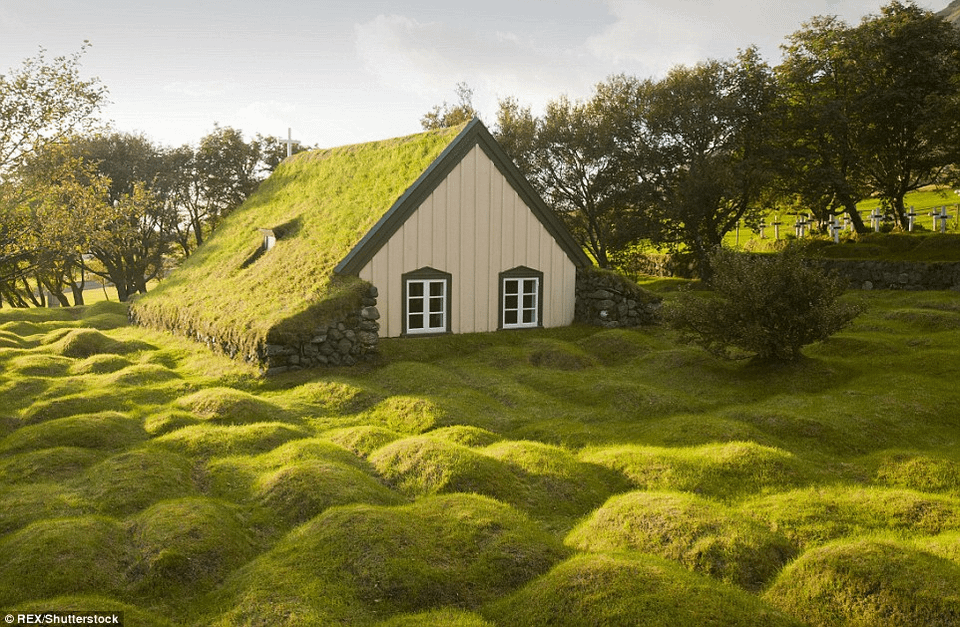
The real-life grass-topped buildings that look just like the Hobbit homes of Middle Earth.
Title: From Middle Earth to Reality: The Real-Life Grass-Topped Buildings Mirroring Hobbit Homes
Meta Description: Explore enchanting real-life grass-topped buildings inspired by J.R.R. Tolkien’s Hobbit homes. Discover their history, sustainable designs, and how they blend fantasy with eco-friendly living.
Introduction
Step into a world where fantasy meets reality. J.R.R. Tolkien’s The Lord of the Rings and The Hobbit immortalized the charm of Hobbit homes—cozy, grass-topped dwellings nestled into hillsides. But did you know these whimsical structures exist beyond Middle Earth? Across the globe, architects and eco-enthusiasts have brought these iconic designs to life, blending sustainability, folklore, and architectural ingenuity. In this article, we’ll journey to real-world locations where grass-topped homes and buildings pay homage to Tolkien’s vision while embracing modern eco-friendly principles.
1. The Origins of Grass-Topped Architecture
Long before Tolkien penned his tales, humans built earth-sheltered structures for practicality. Grass and turf roofs date back thousands of years, particularly in colder climates like Scandinavia and Iceland. These designs provided natural insulation against harsh winters, blending seamlessly into landscapes.
- Historical Roots: Nordic turf houses (e.g., Iceland’s torfbæir) featured stone foundations, timber frames, and grass roofs.
- Cultural Significance: In Māori culture, traditional whare (meeting houses) sometimes incorporated earth roofs for protection.
The marriage of ancient techniques and Tolkienesque aesthetics has birthed a revival of these designs, often dubbed “Hobbit houses” by admirers.
2. Real-Life Hobbit Homes Around the World
A. Hobbiton™ Movie Set (Matamata, New Zealand)
No list is complete without the ultimate homage: the Hobbiton Movie Set. Built for Peter Jackson’s Lord of the Rings films, this sprawling attraction features 44 permanent Hobbit holes with meticulously crafted grass roofs, vegetable gardens, and round doors. Though designed as a film set, it’s a testament to how fantasy can inspire tangible architecture.
- Visitor Experience: Guided tours showcase the sustainable landscaping and attention to detail.
- Eco-Perks: Rainwater irrigation and native plantings minimize environmental impact.
B. Turf Houses of Iceland
Iceland’s ancient torfbæir are prototypes for Tolkien’s Shire. These UNESCO-recognized structures use turf layers atop stone bases to insulate against Arctic winds. Modern reinterpretations, like the Turf House Museum in Glaumbær, preserve this heritage while educating visitors on sustainable living.
C. The Underground Hygge (Denmark & Beyond)
Modern architects are reimagining turf-covered homes for contemporary living. Examples include:
- Green Magic Homes (Spain): Modular Hobbit-like dwellings with curved grass roofs, built in days using eco-materials.
- Earth Houses (Switzerland): Designed by Vetsch Architektur, these avant-garde homes disappear into hillsides, using geothermal energy and green roofs for climate control.
3. The Sustainable Magic Behind Grass-Topped Dwellings
Why choose a turf roof? Beyond aesthetics, these structures offer groundbreaking eco-benefits:
- Natural Insulation: Earth and grass regulate temperatures year-round, reducing heating/cooling costs.
- Stormwater Management: Green roofs absorb rainwater, preventing runoff and erosion.
- Biodiversity Boost: Grass roofs attract pollinators and birds, creating mini-ecosystems.
- Longevity: Turf protects roofing materials from UV rays, extending structural lifespan.
4. Designing Your Own Middle Earth-Inspired Home
Dreaming of a Hobbit hole? Here’s how to infuse Shire charm into your space:
- Embrace Curves: Circular doors, arched ceilings, and rounded windows evoke Hobbit whimsy.
- Choose Natural Materials: Reclaimed wood, stone, and clay blend seamlessly with nature.
- Prioritize Passive Solar Design: South-facing windows maximize sunlight; earth berming insulates walls.
- Grow a Living Roof: Work with landscapers to install lightweight sedum or wildflower turf.
5. Beyond Homes: Grass-Topped Public Spaces
The Hobbit aesthetic isn’t just for private residences:
- Community Centers: Norway’s Lørenskog Culture House sports a sloping grass roof for gatherings.
- Libraries & Cafés: Japan’s Kodama Forest Café mimics a hillside burrow with its verdant rooftop.
6. Eco-Tourism and Fantasy Escapes
For travelers seeking Tolkien-inspired getaways, options abound:
- Woodlyn Park (New Zealand): Stay in a genuine Hobbit Motel unit carved into a hillside.
- Hobbit House Airbnb (U.S./Europe): Rent cozy earth-sheltered cottages from Montana to Wales.
Conclusion: Where Fantasy Meets Sustainable Futures
Grass-topped buildings transcend fiction, proving that Tolkien’s vision of harmony with nature is more relevant than ever. Whether rooted in ancient traditions or cutting-edge eco-design, these homes remind us that architecture can be playful, sustainable, and deeply connected to the land—just like Bilbo Baggins’ beloved Bag End. As climate challenges mount, perhaps the humble Hobbit house holds the blueprint for a greener tomorrow.
Call to Action
Ready to explore or build your own slice of Middle Earth? Share your favorite grass-topped structures with us or start planning an eco-friendly Hobbit-inspired renovation today!
Keywords: Hobbit homes, grass-topped buildings, sustainable architecture, eco-friendly houses, Tolkien-inspired design, turf houses, green roofs, earth-sheltered homes, eco-tourism, Hobbiton New Zealand.
By weaving storytelling with practical insights, this article targets fans of fantasy, sustainable living advocates, and travelers—boosting SEO through trending keywords and cultural fascination with Middle Earth. 🌿🏠