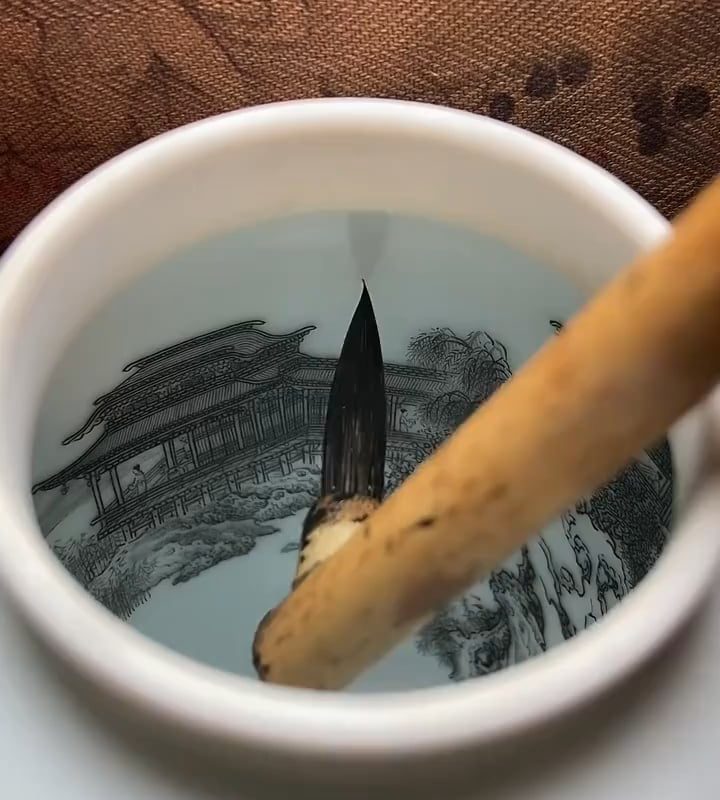
The remarkable ceramic artisans of Jingdezhen
Jingdezhen: The Porcelain Capital’s Timeless Craftsmanship
For over two millennia, the city of Jingdezhen in China’s Jiangxi Province has been synonymous with exquisite ceramics, earning its title as the “Porcelain Capital of the World.” While the city’s history is etched into its imperial kilns and ancient workshops, it’s the remarkable ceramic artisans of Jingdezhen who keep its legacy alive. These masters of clay blend centuries-old techniques with modern innovation, creating works of art that transcend time.
In this deep dive, we explore the artistry, history, and enduring magic of Jingdezhen’s ceramic craftsmen—guardians of a tradition that shaped global ceramics.
A Legacy Forged in Clay and Fire
Jingdezhen’s porcelain history dates back to the Han Dynasty (206 BCE–220 CE), but it flourished under the Song Dynasty (960–1279) when Emperor Zhenzong declared the city the imperial ceramics hub. For centuries, its artisans supplied the royal court with peerless “white gold” porcelain—prized for its delicate translucence, strength, and ethereal beauty.
What made Jingdezhen exceptional? Its natural resources:
- Gaolin clay (kaolin): The pure, white clay essential for fine porcelain.
- Petuntse (feldspar): Mixed with kaolin to create the iconic hard-paste porcelain.
- Forests and rivers: Fuel for kilns and transportation networks for global trade.
By the Ming (1368–1644) and Qing (1644–1912) Dynasties, Jingdezhen’s blue-and-white porcelain captivated Europe, influencing tastes from Delftware to Meissen.
The Artisans: Masters of Imperfection and Precision
Behind every Jingdezhen creation is an artisan whose skill borders on alchemy. Training often begins in childhood, with techniques passed down through generations of ceramic families. Here’s what sets them apart:
1. Hand-Throwing Mastery
Using foot-operated potter’s wheels, artisans shape clay into flawless vases, teapots, and bowls—sometimes as thin as eggshell porcelain. Their hands move with rhythmic precision, a dance perfected over decades.
2. The Art of Glazing
Jingdezhen’s glazes are legendary, from celadon (jade-green) to underglaze cobalt blue. Artisans employ methods like:
- Carved slipware: Scratching designs through layered glazes.
- Famille rose/verte: Enamel painting for vibrant Qing-era patterns.
3. Kiln Alchemy
Firing transforms clay into porcelain, but the process is fraught with risk. Artisans rely on wood-fired dragon kilns or modern gas kilns, mastering temperatures up to 1,300°C (2,372°F). A slight miscalculation can crack or discolor pieces—yet failures are revered as part of the craft’s soul.
4. Revival of Lost Techniques
Many artisans specialize in reconstructing ancient methods, like mishima inlay or Ming Dynasty blue-and-white patterns, ensuring no detail fades into history.
Jingdezhen Today: Tradition Meets Modernity
While the city honors its past, its artisans are far from stuck in time. Younger creators are experimenting with abstract designs, minimalist forms, and collaborations with global brands like Hermès and IKEA. Social media has also become a tool for artisans to showcase their work worldwide, with platforms like Instagram and Etsy bridging gaps between studios and collectors.
Key Venues Celebrating the Craft:
- Jingdezhen Ceramic Museum: Houses 5,000+ historic pieces, including imperial treasures.
- Taoxichuan Art District: A creative hub in a converted factory, hosting residencies and fairs.
- Sanbao Ceramic Art Institute: A retreat for artists to innovate and exchange ideas.
Why Support Jingdezhen’s Artisans?
These craftsmen face challenges like mass production and environmental pressures. Yet, their work represents:
- Cultural Heritage: UNESCO-recognized craftsmanship integral to human creativity.
- Sustainability: Handmade ceramics are eco-friendly alternatives to disposable goods.
- Artistic Excellence: No two pieces are identical, bearing the maker’s “soul imprint.”
Conclusion: The Eternal Flame of Jingdezhen
The ceramic artisans of Jingdezhen are more than just potters—they are historians, chemists, and poets shaping earth into art. Their devotion ensures that every cup, vase, or sculpture tells a story of resilience and beauty. As the world rediscovers the value of handmade artistry, Jingdezhen stands as a beacon, proving that true craftsmanship never goes out of style.
Experience It Yourself: Visit Jingdezhen’s workshops, try a pottery class, or collect a piece of this living history. Each creation carries the heartbeat of a city that has perfected porcelain for 2,000 years—and counting.
Keywords: Jingdezhen porcelain, ceramic artisans, Chinese ceramics, porcelain history, handmade pottery, traditional craftsmanship, Jingdezhen travel, blue-and-white porcelain, kaolin clay, pottery techniques.
Meta Description: Discover Jingdezhen, China—the Porcelain Capital—and its master ceramic artisans. Explore 2,000 years of history, techniques, and why their craftsmanship remains unmatched.