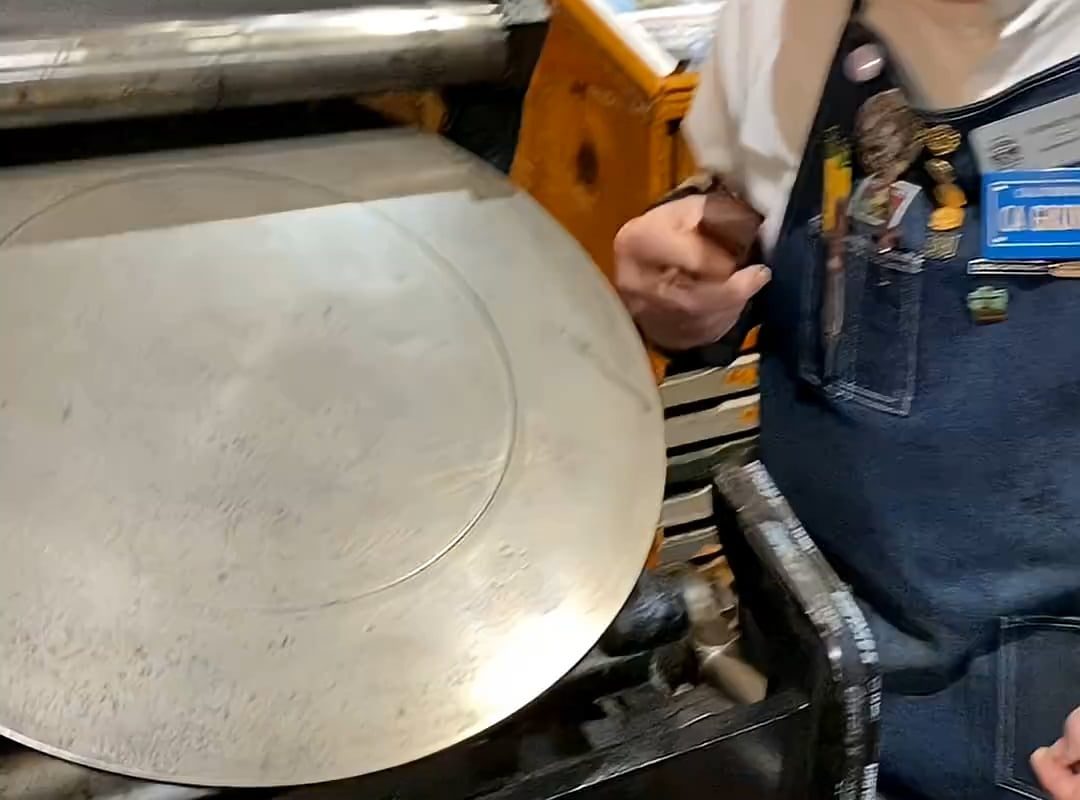
The sights and sounds of this amazing vintage printing machine.
Title: The Sights and Sounds of a Vintage Printing Machine: A Journey Through Time
Meta Description: Step back in time and immerse yourself in the world of vintage printing machines. Discover their mesmerizing sights, evocative sounds, and enduring charm in this nostalgic exploration.
The Sights and Sounds of a Vintage Printing Machine: A Nostalgic Journey
In an age of digital silence and ephemeral screens, vintage printing machines stand as mechanical marvels—tangible, rhythmic, and alive with history. These industrial artifacts don’t just produce printed pages; they create an immersive sensory experience that transports us to an era when craftsmanship and mechanical ingenuity reigned supreme. Let’s explore the captivating sights and sounds of these remarkable machines and why they continue to enthrall historians, artists, and enthusiasts alike.
The Visual Splendor of a Bygone Era
1. The Grandeur of Cast Iron and Brass
A vintage printing press, like a 19th-century letterpress or a Heidelberg Windmill, is a feast for the eyes. Its robust cast-iron frame, polished brass levers, and intricate flywheels evoke an era when machines were built to last centuries. The ornate detailing—floral motifs, manufacturer plaques, and weighty counterbalances—reflects the pride engineers took in their creations. The patina of aged metal and flecks of oxidized paint only deepen its nostalgic allure.
2. The Dance of Typesetting
Before digital fonts, printing relied on movable type. Watching a printer meticulously arrange individual metal or wood letters into a composing stick is like witnessing a choreographed dance. The gleam of lead typefaces, the organized chaos of letter cases (uppercase “ABCs” in the “upper case,” lowercase in the “lower case”), and the final locked “forme” ready for ink—it’s artistry in motion.
3. Ink, Rollers, and Paper
The vibrant hues of oil-based inks and the rhythmic sweep of rubber rollers coating the type create hypnotic visuals. When paper meets press, the moment of impression—where type bites into the page—is a satisfying blend of precision and pressure, leaving a tactile, debossed finish that modern printers can’t replicate.
The Symphony of Mechanical Sounds
Vintage printing machines don’t just work; they perform. Their auditory landscape is a symphony of industrial music:
1. The Rhythmic Clatter of Operation
- The Startup Chug: Crank the flywheel, and the machine awakens with a deep, resonant hum as gears engage.
- Clinking Type and Clamps: As the press cycles, metal type clinks against the bed, and paper grippers snap into place like a percussion section.
- The Satisfying Thunk: The moment the platen or cylinder makes contact with the typebed, creating a deep, resonant thud that signals a successful impression.
2. Whirring Belts and Hissing Pistons
Older machines powered by belts, steam, or treadles add layers of sound: leather drive belts whirring, steam pistons hissing, and foot pedals creaking under rhythmic pressure. Each component harmonizes into a soundtrack of productivity.
3. The Quiet Moments
Even in stillness, these machines tell a story. The faint drip of excess ink from a roller or the metallic ping of cooling metal after hours of work adds intimacy to their character.
Why Vintage Printing Machines Still Captivate
1. Tactile Authenticity
In a world of intangible pixels, vintage presses offer a hands-on experience. The smell of ink, the weight of type, and the physical effort required to operate them connect us to the labor and love behind every printed piece.
2. A Link to Cultural History
From newspapers to revolutionary pamphlets, these machines shaped how information spread. Using one feels like touching history—Gutenberg’s spirit lives in every pull of the lever.
3. The Resurgence of Analog Craft
Artisans and small presses are reviving letterpress printing for wedding invitations, art prints, and bespoke stationery. The imperfections—subtle ink variations, debossed textures—are celebrated as marks of authenticity.
Experience a Vintage Press Yourself
Seek out museums, heritage print shops, or workshops where these machines are preserved. Places like:
- The International Printing Museum (Carson, CA)
- The Letterpress Collective (Bristol, UK)
- Local artisan studios specializing in traditional printmaking
Conclusion: More Than a Machine—A Time Capsule
A vintage printing machine isn’t just a relic; it’s a portal to the past. Its sights—gleaming metal, swirling ink, and precise mechanics—and sounds—rhythmic clanks, hisses, and thuds—create an experience that engages all senses. In preserving these machines, we honor the craftsmanship and innovation that laid the groundwork for modern communication. As the great printer Benjamin Franklin once said, “Either write something worth reading or do something worth writing.” With a vintage press, you can do both.
Keywords for SEO:
vintage printing machine, antique printing press, letterpress experience, old printing technology, Heidelberg Windmill press, movable type, industrial revolution machinery, printing history, tactile printing, letterpress revival.
Alt Text for Imagery (if included):
- Vintage cast-iron letterpress with brass details and ink rollers.
- Close-up of movable type being arranged in a composing stick.
- Heidelberg Windmill press in mid-cycle, paper mid-feed.
Capture the magic of analog printing—share this ode to vintage machinery with fellow history buffs and makers! 🖨️✨