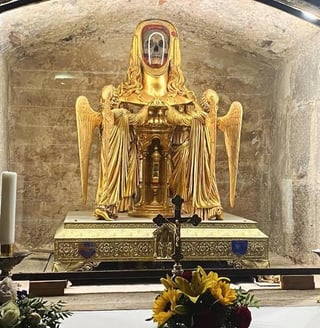
The skull of Mary Magdalene
Title: The Skull of Mary Magdalene: History, Mystery, and Sacred Relic
Meta Description: Discover the enigmatic skull of Mary Magdalene, a venerated Christian relic in France. Explore its history, controversies, and modern-day significance in this in-depth guide.
The Skull of Mary Magdalene: Unraveling History, Faith, and Controversy
For centuries, the skull of Mary Magdalene—a key figure in Christianity and devoted follower of Jesus Christ—has captivated believers, historians, and skeptics alike. Housed in Southern France and surrounded by legends of miracles, pilgrimage, and intrigue, this relic remains one of Christianity’s most debated and revered artifacts. In this article, we’ll delve into the history of Mary Magdalene’s skull, the claims surrounding its authenticity, and its role in religious and cultural narratives.
Who Was Mary Magdalene?
Before examining the relic, it’s essential to understand Mary Magdalene’s place in history. Described in the New Testament as a close disciple of Jesus, she witnessed his crucifixion, resurrection, and is often called the “Apostle to the Apostles.” Over time, her identity merged with other biblical figures in Western tradition, casting her inaccurately as a repentant sinner. Modern scholars reject this portrayal, highlighting her leadership among Jesus’ followers.
The Relic’s Discovery: A Legend from Provence
According to Catholic tradition, Mary Magdalene fled persecution in Judea and spent her final years in a cave (La Sainte-Baume) in Provence, France. Medieval legends claim her remains were discovered in the 13th century under the orders of King Charles II of Naples. In 1279, excavations at the Saint-Maximin basilica allegedly unearthed a tomb with an inscription identifying the body as Mary Magdalene. Among the remains was a remarkably preserved skull with a strand of hair still attached—said to be hers.
Today, the skull reliquary resides in the Basilica of Saint-Mary Magdalene in Saint-Maximin-la-Sainte-Baume, France, encased in a gold mask and displayed in a glass shrine. A small glass tube beneath the chin allows the faithful to venerate her hair—a key pilgrimage attraction.
The Relic’s Significance in Christianity
For Catholic pilgrims, the skull symbolizes Mary Magdalene’s sanctity and enduring legacy. Key aspects of its veneration include:
- Pilgrimage Site: Thousands visit annually, especially on her feast day (July 22).
- Symbol of Redemption: The relic embodies themes of devotion and spiritual transformation.
- Miraculous Claims: Legends describe fragrances (the “odor of sanctity”) emanating from the skull and healings attributed to its presence.
Controversies and Skepticism
Despite its reverence, the skull’s authenticity faces scrutiny:
- Historical Gaps: No records confirm Mary Magdalene’s journey to France. The myth likely emerged in medieval Europe to legitimize local shrines.
- Early Christian Relics: The Middle Ages saw a surge in relic veneration, often tied to political or financial motives. Competing sites—like Vézelay Abbey—also claimed her remains.
- Scientific Analysis: Limited testing exists, but experts doubt relics attributed to figures from antiquity due to forgery risks.
The Skull in Modern Culture
Mary Magdalene’s mystique endures in pop culture (e.g., The Da Vinci Code), which often dramatizes her relationship with Jesus and relics. Yet, the skull remains a focal point for those exploring faith, feminism, and historical mysteries.
Visiting the Relic Today
Basilica of Saint-Maximin-la-Sainte-Baume (Provence, France) welcomes visitors year-round. Highlights include:
- The skull reliquary in the crypt.
- The adjacent Dominican convent and La Sainte-Baume grotto, where Magdalene allegedly meditated.
- Annual festivals blending prayer, processions, and local traditions.
Location: Place de l’Hôtel de Ville, 83470 Saint-Maximin-la-Sainte-Baume, France
Final Thoughts: Faith vs. Fact?
Whether viewed as a sacred object or a medieval artifact, the skull of Mary Magdalene bridges ancient history and living faith. While its origins remain unverified, its power lies in the stories it inspires—of devotion, mystery, and humanity’s quest for connection with the divine.
Keywords: Skull of Mary Magdalene, Mary Magdalene relic, Saint-Maximin France, Mary Magdalene bones, Provencal relics, Christian pilgrimage sites, Mary Magdalene history.
Explore More:
- The Basilica of Vézelay: France’s Rival Mary Magdalene Site
- Debunked Relics: Separating Myth from History
- Mary Magdalene in Art, Literature, and Film