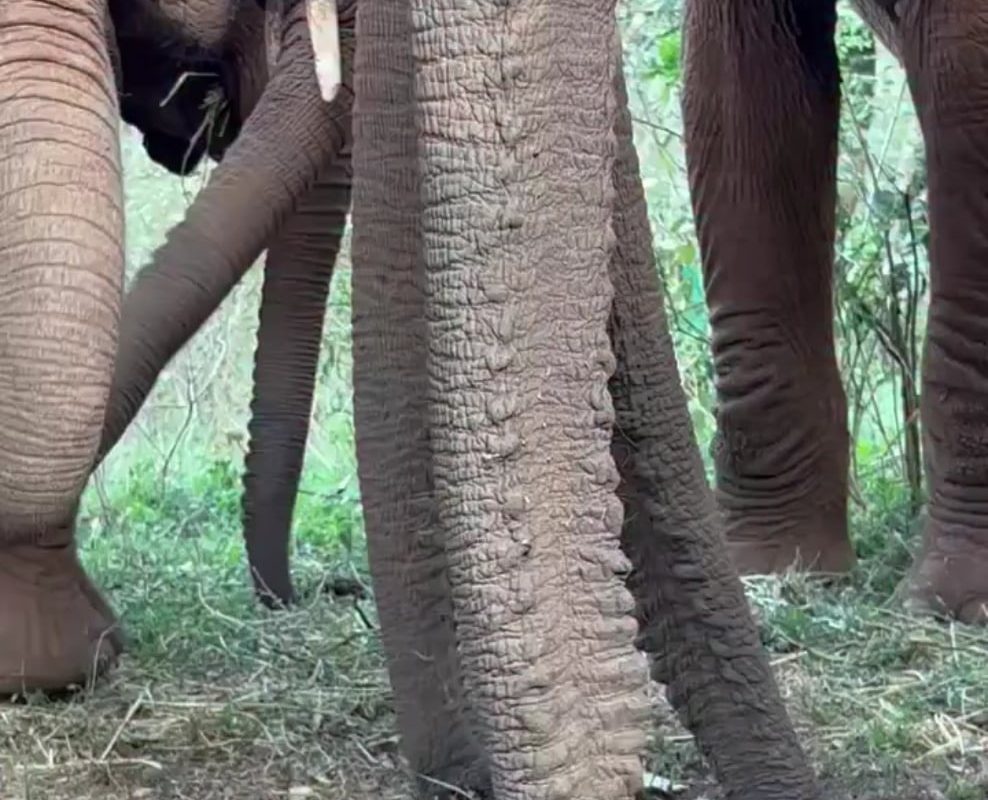
Filmed at Sheldrick Trust
The Joyful Munching: Exploring the Delightful Sound of Juvenile Elephants Eating Tasty Treats
There’s something undeniably heartwarming about watching baby elephants—their playful antics, curious trunks, and especially the adorable sounds they make while devouring their favorite snacks. If you’ve ever wondered what it sounds like when juvenile elephants enjoy tasty treats, you’re in the right place. From crunchy vegetation to squishy fruits, these gentle giants-in-training create a symphony of joyful noises that speak to their excitement—and to our fascination.
Why Juvenile Elephants’ Eating Habits Fascinate Us
Juvenile elephants (calves) are naturally curious and learn about the world through their trunks. Food is central to their growth and socialization, and their enthusiasm for treats—whether wild-foraged or offered by caretakers—reveals their playful personalities. The sounds of their munching, slurping, and rumbling add layers to this multisensory experience:
- Crunching: Breaking down fibrous plants or crunchy veggies.
- Squelching: Savoring juicy fruits like watermelon or bananas.
- Slurping: Drinking water or “slurping” up loose foliage.
- Happy rumbles: Low-frequency vocalizations signaling contentment.
These sounds aren’t just cute—they reflect a calf’s development. Young elephants practice trunk control by grabbing food, testing textures, and learning what’s edible. Every messy bite is a step toward independence!
The Science Behind the Snacking: What Do Juvenile Elephants Eat?
In the wild, elephant calves start sampling solid foods as early as 3–6 months old but continue nursing for up to 2–3 years. Their diets gradually shift to mimic the herd’s, emphasizing:
- Grasses and leaves (high in fiber for digestion).
- Fruits and bark (for vitamins and minerals).
- Tree roots and shrubs (dug up with tiny, uncoordinated trunks).
In sanctuaries, caretakers often supplement diets with healthy treats:
- Watermelon: A hydrating, smashable favorite.
- Bananas: Easy to peel and packed with potassium.
- Pumpkin: Soft and loaded with beta-carotene.
- Sugarcane: A fibrous, sweet chewing challenge.
Fun Fact: Elephants have 24 teeth over their lifetimes, but calves rely on milk teeth (and enthusiasm!) to tackle early meals.
The Soundtrack of Snack Time: Breaking Down the Noises
Ever closed your eyes and just listened to happy elephants eating? Here’s what you might hear:
1. The Crunch Chronicles
When a calf bites into celery, carrots, or bamboo shoots, the crisp snap-crunch echoes like nature’s ASMR. This sound signals strong teeth and healthy foraging—a reassuring sign for matriarchs supervising the meal.
2. The Squelch Factor
Overripe fruits like papayas or mangos create a sticky, squishy commotion. Juveniles often stomp on fruit to break it open, leading to squelchy slurps as they hoover up the pulp with their trunks. Messy but effective!
3. The Happy Rumbles
Elephants communicate through infrasound (low-frequency rumbles humans can feel more than hear). During snack time, calves emit contentment purrs—vibrations that bond them with the herd.
Conservation Connection: Why Treats Matter
Offering treats responsibly—never in the wild—helps sanctuaries build trust with rescued elephants. Ethical interactions prioritize:
- Natural foods only (no processed sugars or human snacks).
- Supervised feeding to avoid overindulgence.
- Education about elephants’ dietary needs.
Did You Know? Feeding wild elephants disrupts their natural behaviors and poses risks to both animals and humans. Always admire from a distance!
Where to Ethically Experience Elephant Snack Time
Want to witness (and hear) this joy firsthand? Support reputable sanctuaries like:
- Elephant Nature Park (Thailand): Offers fruit-feeding sessions with rescued herds.
- David Sheldrick Wildlife Trust (Kenya): Caregivers bottle-feed orphaned calves.
- Sanctuaries in Sri Lanka or India: Focus on rewilding while allowing controlled treats.
Pro Tip: Look for facilities that prioritize animal welfare over tourist photo ops.
Final Thoughts: More Than Just Noise
The sounds of juvenile elephants eating tasty treats are more than a curiosity—they’re a window into their growth, happiness, and complex social bonds. Each crunch, squish, and rumble reminds us of the intelligence and playful spirit of these magnificent creatures. By supporting ethical conservation efforts, we ensure future generations can enjoy this delightful symphony too.
FAQs About Juvenile Elephants and Their Treats
Q: When do baby elephants start eating solid food?
A: Around 3–6 months old, though they nurse until age 2–3.
Q: Can I feed wild elephant calves treats?
A: Absolutely not. Human food harms their health and disrupts natural behaviors.
Q: What’s the loudest sound they make while eating?
A: Crunching thick bamboo or sugarcane—it’s surprisingly noisy!
Q: Do calves share treats with the herd?
A: Often! They learn generosity by mimicking elders passing food.
Loved this article? Share it with fellow elephant enthusiasts! 🌿🐘
Want to help protect juvenile elephants? Donate to the World Wildlife Fund or Save the Elephants.
Image Alt Text for SEO: Juvenile elephant calf eating a ripe watermelon, trunk curled joyfully, with splattered fruit on its face.