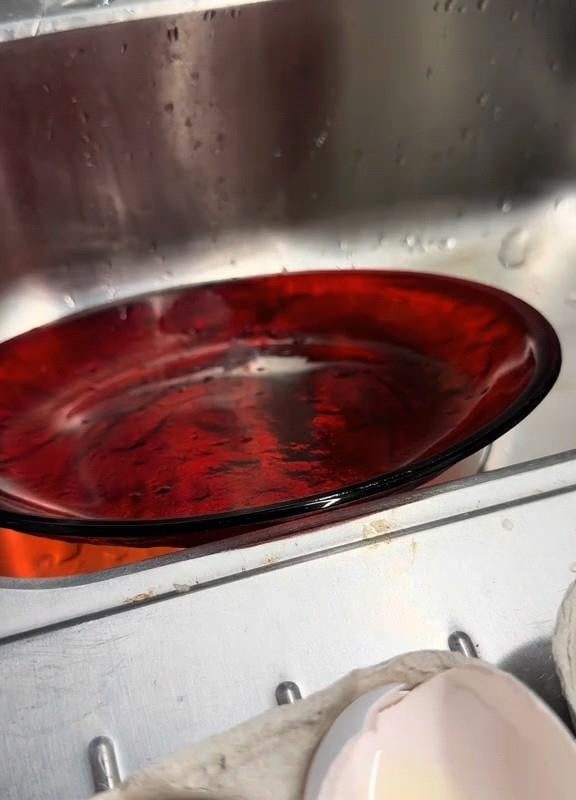
The sound this plate makes in the sink
Title: “Why Your Plate Clatters in the Sink (And How to Muffle the Maddening Sound)”
Have you ever winced at the sharp, jarring clatter of a plate hitting your kitchen sink? That high-pitched clink, clank, or crash isn’t just a minor annoyance—it’s a symphony of physics, material science, and psychology. In this article, we’ll explore why plates make that sound when they meet the sink, how to reduce the noise, and why it triggers such strong reactions (like nails on a chalkboard for some!).
1. The Physics Behind the ‘Clink’: Why Plates Sound So Loud
When ceramic, glass, or porcelain plates collide with a metal or stainless-steel sink, the noise is amplified by three key factors:
- Material Hardness: Ceramic plates and metal sinks are rigid, non-absorbent materials. When they collide, vibrations travel quickly through both surfaces, generating sharp, high-frequency sound waves.
- Resonance: Plates act like acoustic diaphragms—their flat, broad shapes amplify vibrations. This creates a sustained ringing (like a gong!) upon impact.
- Water Amplification: If the sink is wet, water droplets can “bridge” the plate and sink, transferring vibrations more efficiently and making the sound louder.
This is the same principle behind musical instruments—think of your sink as an unwitting percussion section!
2. The Psychology: Why the Sound Feels Like Nails on a Chalkboard
Ever wonder why some people cringe, flinch, or feel instant stress when they hear this sound? Science has a few explanations:
- Misophonia: For some, repetitive sounds like clinking plates trigger misophonia—a neurological condition causing intense irritation or anger.
- Survival Instincts: Sharp, sudden noises activate our primal “fight-or-flight” response, signaling potential danger (like breaking glass).
- Context Matters: If you associate the sound with chores (e.g., post-dinner cleanup), stress levels rise—turning mundane noises into irritants.
3. Materials Matter: How Different Plates Affect the Sound
Not all plates sound the same! Here’s how material changes the acoustics:
| Plate Type | Sound Profile | Why? |
|---|---|---|
| Ceramic | Loud clink with long sustain | Hard, dense, resonant material |
| Glass | High-pitched tink | Thinner, more brittle structure |
| Plastic | Dull thud | Soft material absorbs vibrations |
| Stoneware | Muffled thunk | Thicker and less resonant |
4. 7 Hacks to Silence the Sink Clatter (For Good!)
Tired of the noise? Try these easy fixes:
- Use a Silicone Sink Mat: Line your sink with a rubber or silicone mat to absorb shocks.
- Adjust Water Flow: Running water muffles impact noise—rinse plates under a gentle stream.
- Layer Dishes Strategically: Place softer items (like plastic bowls) at the sink’s bottom to cushion falling plates.
- Soak Stubborn Food First: Avoid scraping dried-on food—noisy scrubbing worsens the sound.
- Switch to Quieter Plates: Opt for laminated stoneware or bamboo composite dishes.
- Hand-Wash Delicately: Lower plates slowly instead of “dropping” them in.
- White Noise: Play music or run a fan to mask the clatter.
5. The Surprising Upside: ASMR Loves Plate Sounds
While many hate the noise, others seek it out! On ASMR (Autonomous Sensory Meridian Response) platforms, videos of gentle plate clinking, ceramic scraping, and soapy dishwashing rack up millions of views for their oddly soothing, tingle-inducing effects.
Fun fact: The difference between “irritating” and “relaxing” often comes down to context and volume—soft, rhythmic clinks calm listeners, while sudden crashes startle.
Final Tip: Prevention Beats Cure
Minimize sink clashes by rinsing plates immediately after use (before food hardens) and teaching household members to handle dishes gently. A quiet kitchen is a happy kitchen!
FAQ
Q: Will a double-bowl stainless steel sink make more noise?
A: Yes! Metal sinks amplify sound. Use a mat or choose a composite granite sink for quieter washes.
Q: Do dishwasher-safe plates clink less?
A: Not necessarily—material matters more than durability.
Q: Can I soundproof my sink?
A: Absolutely! Adhesive sound-dampening pads under the sink can reduce vibrations.
Next time you hear that infamous clink, remember: it’s science, not spite! With these tips, you can turn cacophony into calm—or at least keep your eardrums intact. 🍽️🔇
Keywords for SEO: plate clinking sound, how to reduce sink noise, ceramic plate noise, ASMR plate sounds, psychology of annoying sounds, quiet dishwashing tips.