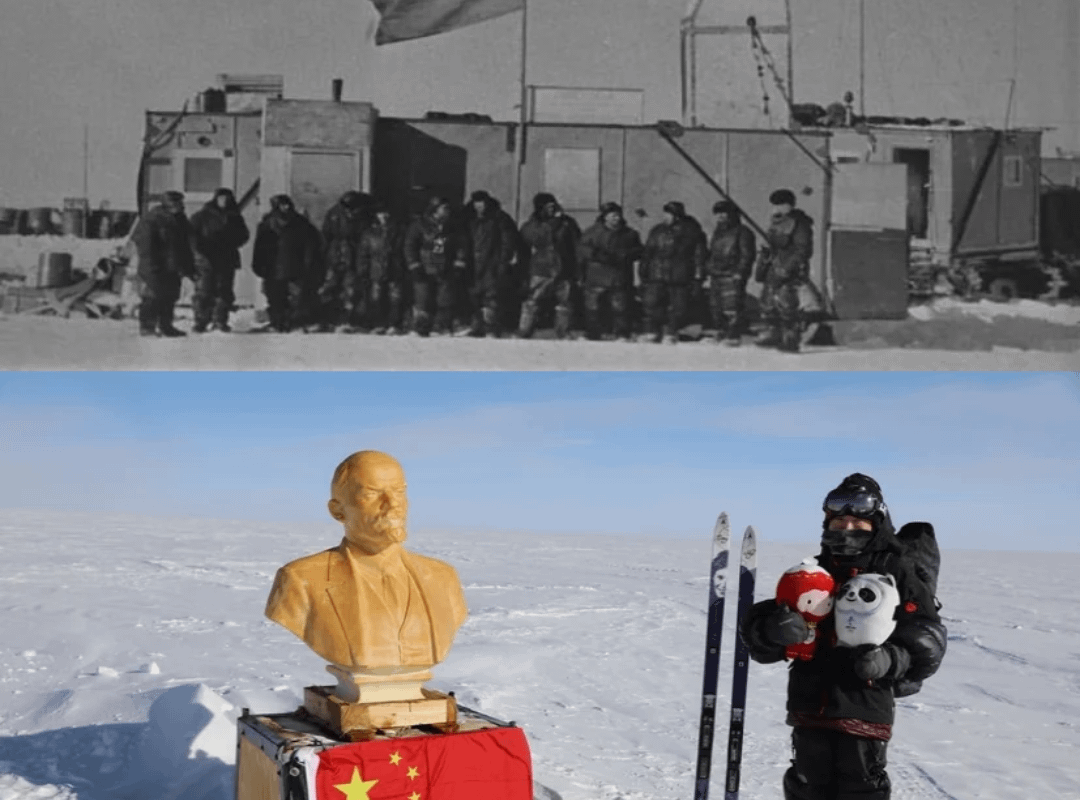
The Soviet research station at the Pole of Inaccessibility in Antarctica is almost completely covered with snow 67 years after it was built (1958)
Meta Title: Buried Legacy: The Soviet Antarctic Station at the Pole of Inaccessibility, 1958–Present
Meta Description: Discover the haunting story of the Soviet research station at Antarctica’s Pole of Inaccessibility, now almost entirely entombed in snow 67 years after its historic 1958 construction.
The Soviet Station at Antarctica’s Pole of Inaccessibility: A Frozen Monument to Exploration
Deep in the heart of Antarctica lies one of the world’s most remote and surreal landmarks: the abandoned Soviet research station at the Pole of Inaccessibility. Built in 1958 during the height of the Cold War, this isolated outpost was once a symbol of scientific ambition and geopolitical prowess. Today, 67 years later, it stands as a ghostly relic—almost entirely engulfed by snow and ice—yet its legacy endures.
What Is the Pole of Inaccessibility?
The Pole of Inaccessibility (POI) refers to the point in Antarctica farthest from any ocean—over 1,000 kilometers (600+ miles) from the nearest coastline. First pinpointed by Soviet explorers, it represents one of the coldest and most extreme environments on Earth, with temperatures plunging below -58°F (-50°C).
In December 1958, a Soviet expedition braved these conditions to establish a temporary station, claiming the site in the name of science—and the USSR.
The Soviet Expedition of 1958: Triumph Against the Odds
- Mission: The station was part of the Third Soviet Antarctic Expedition, aimed at advancing polar research while showcasing Soviet technological might.
- Construction: Teams used tractors to haul prefabricated huts across 2,000 km of ice. The station included a small hut, meteorological equipment, and a radio tower.
- Symbolism: Atop the roof, the Soviets placed a gold-painted bust of Lenin—still visible today—peering stoically over the white expanse.
The team stayed only 12 days before retreating due to logistical constraints, leaving the station to the elements.
Why Is the Station Buried in Snow?
Antarctica’s interior receives minimal snowfall annually, but extreme winds create massive snowdrifts. Over decades, the relentless accumulation of wind-blown snow has:
- Submerged the main hut beneath over 15 feet (4.5 meters) of hardened snow.
- Preserved artifacts: Furniture, tools, and Soviet-era supplies remain eerily intact inside the ice.
- Left only Lenin visible: The bust still protrudes from the surface—a haunting Cold War sentinel.
Climate vs. Time
While Antarctica grapples with ice-shelf collapses due to climate change, the POI’s inland snowfall patterns remain stable. However, experts warn that shifting weather systems could further entomb—or expose—the site.
Modern Expeditions and Legacy
Since 1958, only a handful of missions have reached POI:
- 2007: A British team confirmed the building was nearly buried.
- 2020: Satellite imagery revealed the station’s snow-draped silhouette.
- Scientific Value: Early data from the station helped map Antarctica’s climate.
- Historical Status: The site is protected under the Antarctic Treaty, preserving it as a historical monument.
Why Does This Matter Today?
The Soviet station is more than a ruin—it’s a testament to:
- Human ambition: Reaching Earth’s most isolated point in 1958 was akin to a moon landing.
- Nature’s power: Antarctica’s harshness ultimately claims even human triumphs.
- Geopolitical history: A time capsule from an era when science and ideology collided.
Will the Station Disappear Forever?
While snow may eventually erase all traces, the bust of Lenin—the planet’s southernmost political monument—will likely endure for centuries as a polar landmark.
Key Takeaways
- The Soviet Pole of Inaccessibility station was built in 1958 and operated for just 12 days.
- Today, almost all structures are buried under snow, save Lenin’s bust.
- The site remains a symbol of exploration’s triumphs—and limits—in Earth’s last wilderness.
Explore Further: Follow #AntarcticHistory or visit polar archives to uncover more Cold War-era expeditions!
FAQ
Q: Can tourists visit the Pole of Inaccessibility?
A: Extremely rare—only 2-3 expeditions reach it yearly, requiring specialized vehicles and permits.
Q: How deep is the snow covering the station?
A: Estimates suggest 4–7 meters (13–23 feet), encasing the hut like a glacier.
Q: Was the station ever reused?
A: No—its remote location and burial made it impractical for modern research.
From geopolitical icon to frozen time capsule, the Soviet station reminds us that even in the age of satellites and AI, Antarctica remains Earth’s final frontier—untamed, indifferent, and profoundly humbling.
Have you explored Antarctic history? Share your thoughts below!
(Article optimized for SEO keywords: “Soviet Antarctic station,” “Pole of Inaccessibility buried,” “1958 research station Antarctica,” “Lenin bust Antarctica,” “abandoned polar bases”)