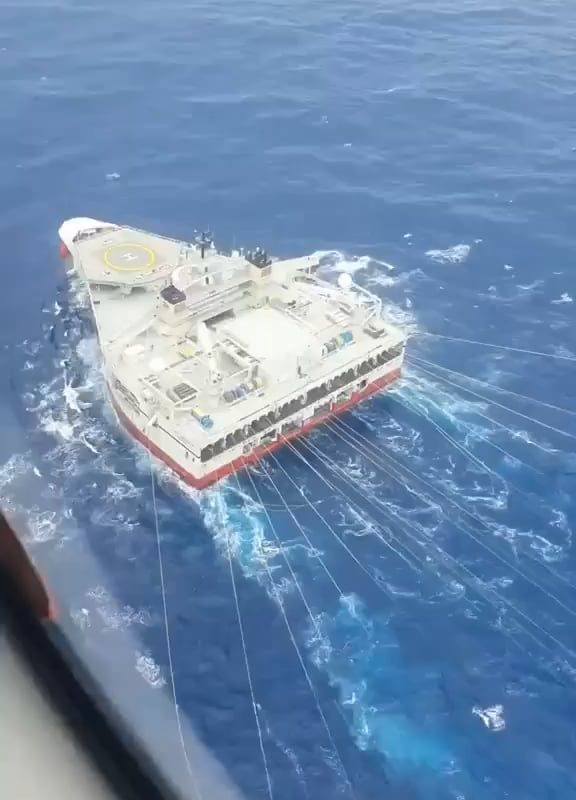
The Triangular Marvel of the Seas – Seismic Exploration Vessel
Unveiling the Triangular Marvel of the Seas: The Power of Seismic Exploration Vessels
Beneath the vast, shimmering surface of the world’s oceans lies a realm of mystery—a subsea landscape of underwater mountains, deep trenches, and untapped geological secrets. To map these hidden frontiers, a specialized fleet of cutting-edge vessels navigates the waves, armed with technology capable of “seeing” through the ocean floor. Meet the Triangular Marvel of the Seas: the Seismic Exploration Vessel. These engineering masterpieces are the unsung heroes of offshore energy exploration, environmental research, and deep-sea discovery.
What Is a Seismic Exploration Vessel?
A seismic exploration vessel is a research ship designed to survey the ocean floor and the geological layers beneath it. By emitting controlled sound waves (seismic pulses) and analyzing their echoes, these vessels generate high-resolution 3D maps of subsea geology. This data is critical for locating hydrocarbon reserves (oil and gas), identifying earthquake-prone zones, studying climate change impacts, and planning submarine infrastructure.
The term “Triangular Marvel” often refers to the vessel’s unique array setup:
- Triangular-Acoustic Arrays: Hydrophones (underwater microphones) are towed in triangular or grid-like configurations to capture sound reflections from multiple angles.
- Stability & Efficiency: The vessel’s hull design and towing systems optimize stability, ensuring seismic sensors operate smoothly even in rough seas.
How Does Seismic Exploration Work?
Step 1: Generating Sound Waves
- Air Gun Arrays: Compressed air guns release high-pressure bursts, sending sound waves through the water.
- Low-Energy Alternatives: Modern vessels use marine vibrators or bubble mitigation tech to reduce environmental impact.
Step 2: Capturing the Echoes
- Hydrophone Streamers: Miles-long cables with thousands of sensors detect sound waves bouncing back from rock layers beneath the seabed.
- Triangular Precision: Multi-directional data capture improves imaging accuracy, revealing faults, reservoirs, and sediment structures.
Step 3: Data Processing
- AI-Powered Analysis: Supercomputers onboard convert echoes into detailed 3D/4D subsea models.
- Real-Time Visualization: Geoscientists interpret results to pinpoint resource deposits or tectonic risks.
Why the “Triangular Marvel” Design Matters
1. Enhanced Imaging Accuracy
The triangular arrangement of hydrophones eliminates “blind spots,” providing comprehensive subsurface views. This is vital for avoiding dry wells in oil exploration or assessing carbon storage sites for climate initiatives.
2. Operational Efficiency
- Multi-Client Surveys: Simultaneous towing of streamers in grids allows faster coverage of vast oceanic areas.
- Minimal Environmental Footprint: Advanced tech reduces marine life disturbance compared to older seismic methods.
3. Versatility in Applications
Beyond oil and gas, these vessels enable:
- Renewable Energy Projects: Mapping seabeds for offshore wind farms.
- Disaster Preparedness: Monitoring underwater faults for earthquake/tsunami risks.
- Deep-Sea Research: Studying biodiversity and hydrothermal vents.
Technological Triumphs Aboard the Vessel
- Autonomous Systems: Drones and AUVs (Autonomous Underwater Vehicles) supplement towed arrays.
- Dynamic Positioning: GPS and thrusters hold ships in precise positions during data collection.
- Green Innovations: Hybrid engines, bubble curtains, and marine mammal monitoring systems protect ecosystems.
Challenges: Balancing Exploration and Ecology
Seismic surveys face scrutiny over potential impacts on marine life, particularly cetaceans (whales, dolphins). Modern regulations and tech advancements address this through:
- Marine Life Mitigation: Real-time acoustic monitoring pauses operations if animals are detected nearby.
- Low-Energy Sources: Quieter air guns reduce noise pollution.
- Seasonal Restrictions: Avoiding breeding/migration seasons in sensitive habitats.
The Future of Seismic Exploration Vessels
As the global quest for sustainable energy intensifies, seismic vessels are evolving:
- Carbon-Neutral Designs: Solar/Wind-powered research ships are in development.
- Ultra-Deep Exploration: Next-gen vessels will probe deeper than ever, revealing minerals for green tech (e.g., cobalt, lithium).
- AI & Machine Learning: Faster data processing speeds up discoveries while cutting costs.
Conclusion: Charting the Depths, Powering Progress
The Triangular Marvel of the Seas—the seismic exploration vessel—is far more than an industrial workhorse. It is a symbol of human ingenuity, unlocking Earth’s buried resources while navigating the delicate balance between progress and planetary stewardship. As renewable energy, climate science, and deep-sea exploration advance, these vessels will remain at the forefront of our oceanic odyssey, illuminating the dark depths one seismic pulse at a time.
Keyword Focus:
- Seismic exploration vessel
- Triangular hydrophone arrays
- Offshore hydrocarbon exploration
- Ocean floor mapping
- Marine seismic surveys
- Subsea geology
- 3D seismic imaging
- Renewable energy seabed surveys
- Eco-friendly seismic technology