The ultimate test of low speed clutch control and micro precision
Meta Title: Master the Road: The Ultimate Test of Low Speed Clutch Control & Micro Precision
Meta Description: Discover how low-speed clutch control and micro precision separate skilled drivers from novices. Learn techniques, tips, and real-world applications to ace this ultimate driving test.
The Ultimate Test of Low Speed Clutch Control and Micro Precision
In the world of driving—especially for manual transmission enthusiasts—few skills demand more finesse than low-speed clutch control and micro precision. Whether navigating tight city streets, executing flawless parking maneuvers, or crawling through stop-and-go traffic, mastering these techniques is the hallmark of an expert driver. Here’s why this combination is the “ultimate test” of driving skill and how you can conquer it.
What is Low-Speed Clutch Control?
Low-speed clutch control refers to the ability to modulate the clutch pedal with exceptional delicacy to maintain smooth, controlled movement at minimal speeds (think 1–5 mph). Unlike highway driving, where gears and momentum do most of the work, low speeds require the driver to balance the clutch’s “bite point” with subtle accelerator inputs to prevent stalling or jerky motion.
Key Challenges Include:
- Avoiding stalling on inclines.
- Maintaining momentum without surging.
- Synchronizing clutch, throttle, and braking.
The Role of Micro Precision
Micro precision is the art of making tiny, calculated adjustments to steering, throttle, and clutch inputs to achieve perfect positioning and smooth transitions. It’s essential for:
- Parallel parking: Edging inches from curbs and other vehicles.
- Obstacle avoidance: Navigating potholes, speed bumps, or debris.
- Traffic crawls: Preventing stop-start lurches in gridlock.
Together, low-speed clutch control and micro precision create a symphony of mechanical harmony—one that separates confident drivers from hesitant ones.
Real-World Tests of Mastery
Here’s how these skills are put to the ultimate test in everyday scenarios:
1. The Hill Start
A classic exam for clutch control. On a steep incline, balance the clutch at the bite point while switching from brake to throttle—all without rolling backward or revving excessively.
Tip: Use the handbrake as a “third foot” for added stability.
2. Slow-Speed Tight Turns
Navigating a narrow alley or multi-story parking ramp demands feather-light clutch work and pinpoint steering to avoid scraping walls or clipping mirrors.
3. Obstacle Course Precision
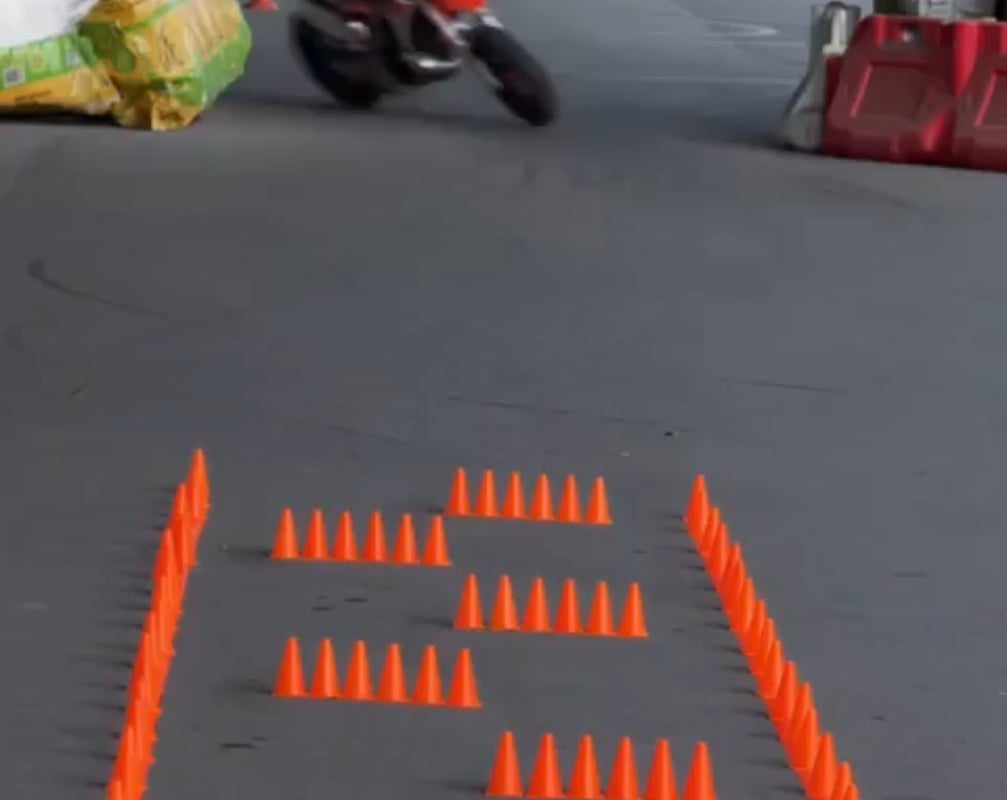
Imagine maneuvering through traffic cones with mere centimeters of clearance. This tests your ability to “feel” the vehicle’s dimensions and adjust speed minutely.
4. Stop-and-Go Traffic
Maintaining smooth movement in heavy traffic requires constant micro-adjustments to avoid jerking passengers (or your own nerves).
5. Feathering the Clutch
Advanced drivers use rapid, millimeter-deep clutch dips to manage speed instead of braking—think of it as “dynamic drifting” at walking pace.
Tips to Improve Your Clutch Control & Precision
✅ Practice the Bite Point
Find an empty lot and practice holding the car stationary on a flat surface using only the clutch (no brakes or throttle). Learn to “hover” at the bite point.
✅ Minimize Pedal Travel
At low speeds, use only the top 10–20% of the clutch pedal’s range. Over-depressing wastes time and causes instability.
✅ Smooth Inputs Are King
Avoid sudden throttle jabs or clutch drops. Think of your feet as moving through honey—slow, steady, and deliberate.
✅ Master Weight Transfer
Understand how braking or accelerating shifts weight between wheels, affecting grip. Use this to your advantage in tight turns.
✅ Eyes Up, Focus Ahead
Anticipate obstacles early to minimize last-second corrections. Your hands and feet follow your eyes!
Common Mistakes to Avoid
- Riding the Clutch: Resting your foot on the pedal wears out the clutch plate.
- Over-Reliance on Brakes: Use engine braking via clutch control to save your brake pads.
- Panic Revving: Excessive throttle while slipping the clutch generates heat and damages components.
Why Does This Skill Matter?
Beyond acing your driving test, low-speed mastery:
- Reduces wear on your clutch and transmission.
- Enhances safety in crowded urban environments.
- Builds driver confidence and vehicle empathy.
Conclusion: Precision is Power
Low-speed clutch control and micro precision aren’t just driving skills—they’re an art form. Whether you’re a new driver or a seasoned pro, refining these techniques transforms you from someone who operates a vehicle to someone who connects with it. The road rewards patience and practice. So, find a quiet lot, embrace the challenge, and turn hesitation into harmony.
🚗 Ready to level up? Share your clutch control triumphs or struggles in the comments below!
Target Keywords: Low speed clutch control, micro precision driving, mastering clutch control, clutch bite point, precision driving techniques, manual transmission skills, stop-and-go traffic driving.
Internal Linking Suggestion: Link to related articles like “How to Parallel Park Like a Pro” or “Manual Transmission Maintenance 101.”