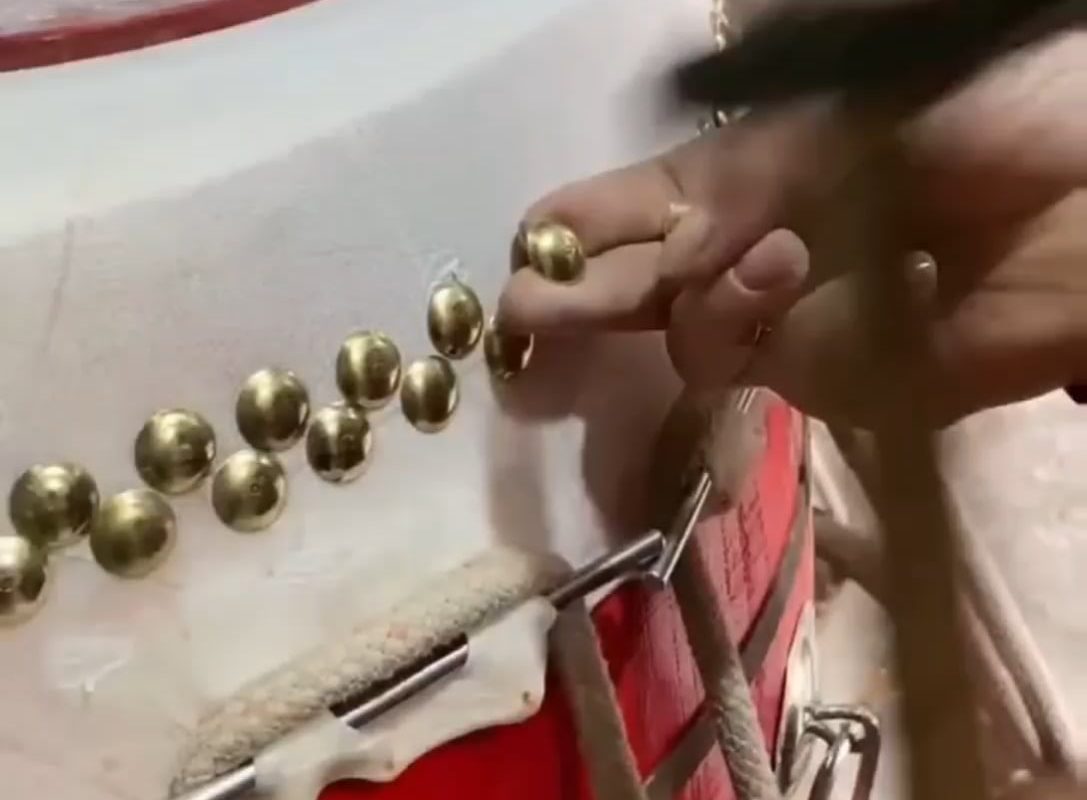
The way each nail lands
Title: Mastering the Craft: The Critical Importance of How “Each Nail Lands”
Introduction
In carpentry, construction, and DIY projects, the difference between success and failure often comes down to the smallest details—including how each nail lands. Whether you’re framing a house, building furniture, or hanging artwork, the precision of your hammer strikes determines the strength, durability, and aesthetic quality of your work. This article explores why the way each nail lands matters, common mistakes to avoid, and expert techniques to ensure every strike counts.
Why “The Way Each Nail Lands” Matters
Every nail driven into wood or other materials serves a purpose: creating a secure bond. If a nail bends, splits the wood, or fails to penetrate fully, the structural integrity of your project can weaken. For example:
- Safety Risks: Poorly driven nails can lead to unstable structures.
- Material Damage: Splitting wood compromises its strength.
- Time & Cost: Removing and replacing nails wastes resources.
Understanding the physics of nail placement—angle, force, and technique—ensures each strike contributes to a flawless finish.
Common Mistakes When Driving Nails (And How to Fix Them)
-
Bent Nails:
- Cause: Striking the nail off-center or at an angle.
- Fix: Hold the hammer firmly, aim for the flat center of the nail head, and follow through vertically.
-
Split Wood:
- Cause: Using thick nails in dense wood or near edges.
- Fix: Pre-drill pilot holes or opt for thinner nails like finishing nails.
-
Insufficient Penetration:
- Cause: Using a lightweight hammer or incomplete strikes.
- Fix: Choose a hammer with adequate heft (e.g., 16 oz for general use) and swing confidently.
Pro Techniques for Perfect Nail Placement
1. The “Three-Strike Rule”
Professional carpenters often drive nails in three intentional strikes:
- First Strike: Light tap to set the nail in place.
- Second Strike: Medium force to embed the nail halfway.
- Third Strike: Firm, controlled hit to seat the nail flush.
This minimizes bending and improves accuracy.
2. Match the Nail to the Task
- Framing Nails: Thick and sturdy for structural work.
- Finish Nails: Thin heads for invisible joints.
- Masonry Nails: Hardened steel for concrete or brick.
3. Optimize Your Angle
- Straight-On: Ideal for most tasks.
- Slight Angle: Useful for toenailing (connecting joints at an angle).
- Avoid Extreme Angles: Prevents deflection or bending.
Tools That Help Nails Land Perfectly
- Magnetic Hammers: Guides nails upright for better alignment.
- Nail Sets: Drive finishing nails below the surface without marring wood.
- Power Tools: Nail guns ensure speed and consistency (great for large projects).
DIY Tips for Precision
- Practice on Scrap Wood: Test your technique before working on the final piece.
- Chalk the Hammer Face: Reduces slippage in humid conditions.
- Watch the Nail, Not the Hammer: Focus on the nail’s head to maintain accuracy.
Why Artists and Crafters Care About Nail Technique
Beyond construction, “how each nail lands” applies to creative fields:
- Fine Woodworking: Flush nails ensure seamless finishes.
- Art Installation: Precise nail placement protects delicate pieces.
- Upholstery: Hidden nails enhance visual appeal.
FAQs: Nailing Your Burning Questions
Q: How do I remove a bent nail without damaging wood?
A: Use a pry bar or claw hammer with a scrap wood buffer to protect the surface.
Q: Why do nails pop out over time?
A: Wood expands/contracts due to humidity. Use screws or glue for critical joints.
Q: Should I dull nail tips?
A: Blunting the tip slightly can reduce splitting in hardwood.
Conclusion: Precision Turns Ordinary into Extraordinary
Whether you’re a seasoned contractor or a weekend DIYer, mastering the way each nail lands elevates your craftsmanship. By avoiding common pitfalls, choosing the right tools, and refining your technique, you’ll create projects that are both beautiful and built to last. Remember: every nail driven with intention is a step toward perfection.
Final Tip: Pair quality nails with patience—the foundation of all great work.
Meta Description: Discover why “the way each nail lands” can make or break your project! Learn pro techniques to avoid bending, splitting, and wasted effort.
Target Keywords:
- Proper nailing technique
- How to hammer nails correctly
- Avoid bent nails
- Carpentry tips for beginners
- Nail placement guide
Optimize this article for search engines by pairing it with images/videos of nailing techniques, linking to tool reviews, and updating with user Q&A for fresh content.