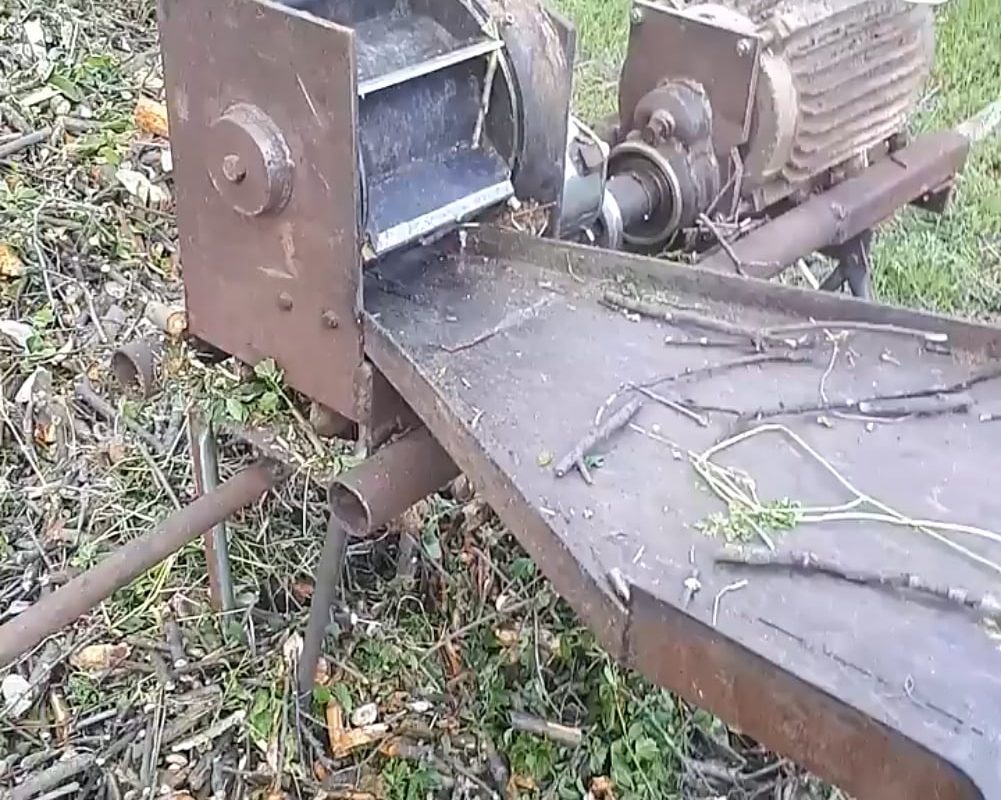
The way it’s munching the branches
Title: Branch Munchers: The Surprising Science of How and Why Animals Eat Tree Branches
Introduction
Few sights in nature are as mesmerizing—or as puzzling—as watching an animal methodically munch on tree branches. From deer delicately nibbling tender shoots to beavers felling entire trunks, the act of consuming woody material raises questions: Why do animals eat branches? How do they digest such tough material? And what does this mean for ecosystems? Dive into the fascinating world of branch-eating creatures and uncover the science behind their gnawing habits.
1. The Science of Branch Munching: Teeth, Digestion, and Adaptations
Not all animals can process woody branches, but those that do boast specialized adaptations:
- Powerful Jaws & Teeth: Beavers have iron-rich orange enamel and continuously growing incisors to slice through bark and wood. Deer use their sharp lower incisors to scrape off bark and twigs.
- Unique Digestive Systems: Herbivores like goats rely on microbes in their multi-chambered stomachs to ferment cellulose. Koalas, which feed exclusively on eucalyptus branches, have elongated intestines to extract nutrients from fibrous leaves.
- Nutritional Needs: Branches offer unexpected benefits: minerals (like calcium from bark), hydration (sap in spring), and fiber to aid digestion.
2. Meet the Branch-Eating All-Stars: Who’s Munching What?
Deer: The Delicate Nibblers
- How They Eat: Deer nip young shoots, buds, and soft bark, especially in winter when greenery is scarce.
- Tree Impact: Overbrowsing can stunt tree growth or leave “browse lines” where lower branches vanish.
Beavers: Nature’s Loggers
- How They Eat: Beavers cut branches with chisel-like teeth, storing logs underwater to eat the nutritious inner cambium layer.
- Tree Impact: Their dam-building creates wetlands, boosting biodiversity—but can also flood human areas.
Goats: The Ultimate Recyclers
- How They Eat: Goats crush branches with strong molars and ferment them in their rumen to break down cellulose.
- Tree Impact: Used in “targeted grazing” to clear invasive plants while sparing native species.
Caterpillars & Insects: Tiny but Mighty
- How They Eat: Moth larvae like the gypsy caterpillar skeletonize leaves and strip young branches, often unnoticed until damage is severe.
- Tree Impact: Mass infestations can defoliate and weaken trees, making them prone to disease.
Elephants: The Heavyweight Chompers
- How They Eat: Elephants snap branches (or whole trees) with their trunks and tusks to reach nutrient-rich leaves.
- Tree Impact: While destructive in farms, their foraging creates clearings that promote grassland ecosystems.
3. Why Branches? The Hidden Benefits of Woody Diets
- Survival Strategy: In harsh winters or droughts, branches are a lifeline when grasses, leaves, or fruits are unavailable.
- Dental Health: Gnawing wears down ever-growing teeth, preventing overgrowth (critical for rodents like porcupines).
- Gut Health: Fiber from wood stimulates digestion and hosts beneficial gut bacteria.
4. The Ecological Impact: Balance or Destruction?
Positive Effects
- Regeneration: Deer browsing can stimulate new growth in shrubs. Beavers’ dams filter water and create habitats.
- Seed Dispersal: Animals like fruit bats spread seeds after munching fruit-laden branches.
Negative Effects
- Tree Decline: Over-browsing by deer prevents forest regeneration. Bark stripping (by voles or rabbits) can girdle and kill trees.
- Invasive Threats: Non-native species (e.g., emerald ash borer) can devastate entire tree populations.
5. Protecting Your Trees from Hungry Munchers
If animals are damaging your garden or orchard, try these humane solutions:
- Physical Barriers: Wrap trunks with metal mesh or use deer fencing.
- Repellents: Apply taste-based sprays (like capsaicin) or scent deterrents (predator urine).
- Habitat Modification: Remove attractants (fallen fruit) or plant deer-resistant species (e.g., spruce, holly).
- Coexist Strategically: Designate a “sacrificial” area with willow or poplar to divert beavers or goats.
FAQ: Quick Answers About Branch Munching
Q: Do squirrels eat branches?
A: Yes! Squirrels gnaw small twigs to sharpen teeth and occasionally eat buds or sapwood.
Q: Can humans eat tree branches?
A: Not directly, but some cultures brew pine needle tea or use birch twigs as seasoning.
Q: What animal eats the most branches daily?
A: Beavers consume up to 20% of their body weight in branches daily—a 50-pound beaver eats ~10 lbs!
Conclusion: Respecting Nature’s Pruners
While branch-munching animals can challenge gardeners and foresters, their habits are vital to ecological balance. By understanding how and why these creatures feast on wood, we learn to protect our trees while appreciating nature’s ingenious survival tactics. Whether it’s a beaver engineering a wetland or a goat clearing brush, every nibble plays a role in the wild world around us.
SEO Keywords: animals eating branches, branch munching behavior, beavers eating trees, how deer eat bark, why animals eat wood, protect trees from animals, digestive adaptations herbivores, ecological impact of browsing.