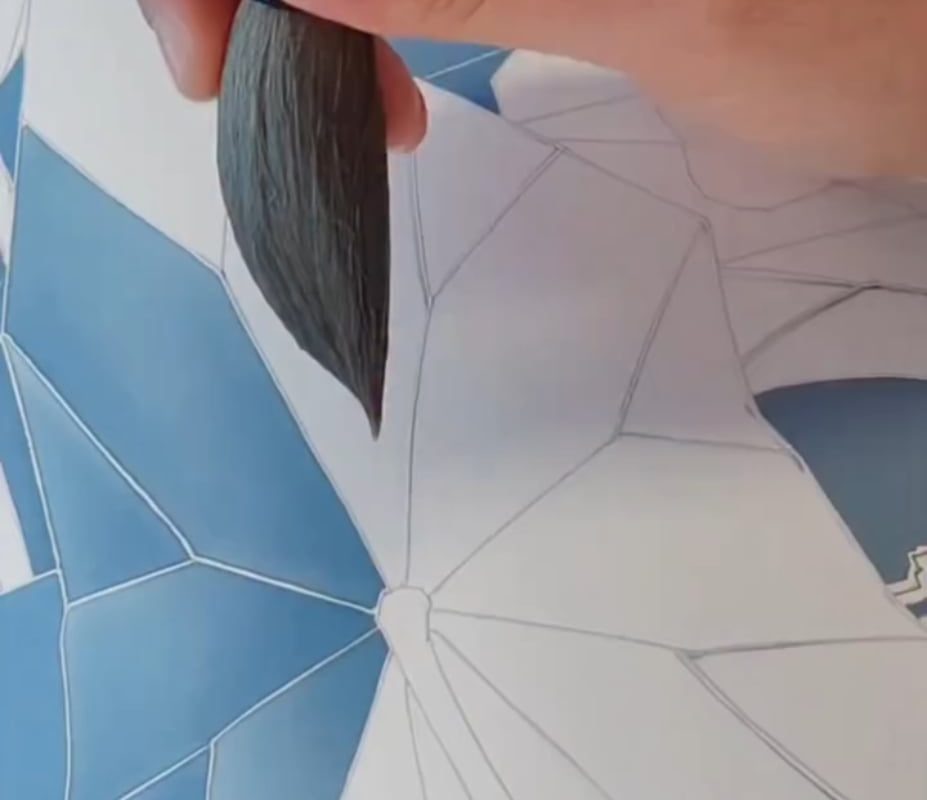
The way the ink/paint fills up the shape, then dries out is mesmerizing
Title: The Mesmerizing Magic of Watching Ink and Paint Fill Shapes and Dry
Meta Description: Discover the hypnotic beauty of ink and paint as they flow into shapes, settle, and dry. Explore the science and artistry behind this captivating process.
The Hypnotic Dance of Liquids: Why Watching Ink and Paint Fill Shapes Is So Mesmerizing
There’s something undeniably captivating about watching ink or paint flow into a shape, cling to its edges, slowly fill every contour, and finally dry into a permanent mark. It’s a moment where art meets science, where fluid dynamics collide with human creativity, creating a spectacle that feels almost meditative. If you’ve ever found yourself transfixed by this process—whether in an artist’s studio, a DIY project, or a viral video—you’re not alone. Here’s why this simple act feels so magical.
The Science Behind the Flow: How Liquids Conquer Space
1. The Role of Capillary Action
Liquids like ink and paint are masters of movement, guided by forces we rarely notice. Capillary action—the same phenomenon that draws water up plant roots—pulls liquid into tight spaces, allowing ink to seep effortlessly into paper fibers or paint to crawl along the edges of a stencil. This creates crisp, sharp lines and organic patterns that feel alive in real-time.
2. Viscosity & Surface Tension
Thick acrylics glide slowly, leaving bold textures, while watery inks race across surfaces with wild energy. Viscosity (thickness) and surface tension (the “skin” of the liquid) dictate how pigments spread, pool, or feather. Watching these elements interact—like syrup swirling in water—creates a miniature drama of physics in action.
3. The “Bloom” Effect
When ink hits absorbent paper, it often “blooms,” expanding unpredictably like a living organism. Alcohol inks on non-porous surfaces do the opposite, crawling outward in feathery fractals. This unpredictability keeps us glued to the process—every fill is a unique performance.
The Art of Patience: Why the Drying Process Fascinates
Once the liquid settles, the drying phase begins—a slow-motion metamorphosis that’s equally compelling.
- Color Transformations: Wet paint often looks richer and darker. As solvents evaporate, pigments reorganize, revealing final hues and textures. Metallic inks shift from glossy to muted; watercolors lighten into delicate washes.
- Textural Secrets: Cracks, gradients, or “coffee ring” effects emerge as moisture escapes. These imperfections tell a story of the medium’s journey.
- The Tension of Anticipation: Will the result match the vision? The unpredictability of drying—especially with layered techniques—keeps creators (and viewers) on edge.
The Psychology of the Mesmerizing Effect
Why can’t we look away? Experts point to three key factors:
- ASMR Triggers: The gentle spread of liquid and the faint sound of drying can trigger autonomous sensory meridian response (ASMR), inducing calm or tingling sensations.
- Mindfulness in Motion: The process forces us to slow down, offering a rare pause in our fast-paced world. It’s a form of unintentional meditation.
- Satisfying Predictability (and Surprise): While fluid behavior follows scientific rules, tiny variables—like paper texture or humidity—create surprises. This blend of order and chaos is irresistible to the human brain.
Real-World Applications & Artistic Techniques
Artists and designers harness this mesmerizing quality intentionally:
- Resin Art: Epoxy resin pours fill molds with glass-like clarity, trapping colors mid-swirl.
- Suminagashi (Japanese Marbling): Ink floats on water, forming ethereal patterns before being transferred to paper.
- Screen Printing: Watching ink flood a screen’s open areas, then dry on fabric, is a staple of the craft’s appeal.
- Digital Replicas: Apps like Procreate simulate “liquid fill” animations, mimicking real-world physics for digital artists.
Try It Yourself: Tips to Maximize the Magic
Want to recreate the experience? Here’s how:
- Choose Reactive Materials: Watercolor paper, Yupo (synthetic paper), or ceramic tiles exaggerate liquid movement.
- Control the Flow: Use droppers, brushes, or pipettes to dictate where ink pools. Tilt surfaces to guide direction.
- Speed Up or Slow Down: Add water or alcohol to paints for faster spreads; use gel mediums to thicken and prolong drying time.
- Time-Lapse It: Film your work! Watching the process in hyper-speed reveals hidden details.
Conclusion: A Universal Fascination
From ancient calligraphers laying down strokes to modern TikTokers filming acrylic pours, the allure of watching liquids fill shapes and dry transcends cultures and eras. It’s a reminder of beauty in impermanence—a fleeting dance of chemistry that ends in lasting art. Next time you see ink creep across paper or paint settle into a canvas, take a moment to appreciate the quiet wonder unfolding before your eyes.
Tags: ink art, paint drying, fluid dynamics, mesmerizing art, capillary action, art therapy, creative process
Internal Links (if applicable):
- /the-science-of-ink
- /diy-alcohol-ink-tutorial
- /best-materials-for-fluid-art
Let me know if you’d like to refine any section or add targeted keywords! 🎨