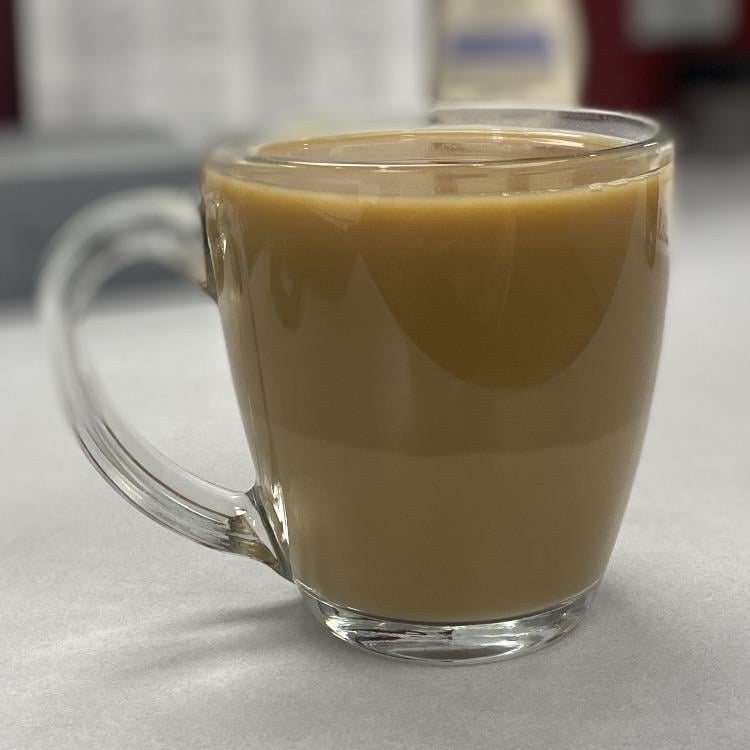
The way the oat milk settled in my morning coffee
Why Does Oat Milk Settle in My Morning Coffee? (And How to Fix It!)
You pour a splash of creamy oat milk into your steaming morning coffee, take one eager sip, and then… you notice it. A grainy layer floating on top, stubborn clumps sinking to the bottom, or an unappetizing separation that makes your perfect brew look like a science experiment. If you’ve ever wondered why oat milk settles in coffee—and how to stop it—you’re not alone. Plant-based milks like oat milk behave differently from dairy, but with a few simple tricks, you can enjoy a smooth, barista-worthy cup every time.
The Science Behind Oat Milk Settling in Coffee
Oat milk isn’t just “milk”—it’s a suspension of water, oats, oils, and additives. When poured into coffee, chemistry and physics collide. Here’s why separation happens:
1. Acidity vs. Protein Structure
Coffee is naturally acidic (pH ~5), while oat milk’s proteins and starches are sensitive to abrupt pH changes. When the two mix, acidity can weaken the emulsion, causing oats or oils to clump and settle.
2. Temperature Shock
Adding cold oat milk to piping-hot coffee creates instability. Heat accelerates separation by disrupting fat molecules and thickening starches unevenly.
3. Low Fat or Stabilizer Content
Some oat milk brands skimp on fat (like sunflower or rapeseed oil) or stabilizers (e.g., gellan gum), making them prone to splitting. Homemade oat milk often settles faster for this reason.
4. Sitting Too Long
Oat milk doesn’t stay homogenized forever. If your coffee sits for a few minutes, gravity pulls heavier particles downward, creating layers.
How to Stop Oat Milk from Settling in Coffee: 6 Pro Fixes
Don’t resign yourself to lumpy coffee! These solutions tackle separation at its roots.
1. Stir (the Right Way)
Why it works: Reintegrates settled particles.
Pro Tip: Stir immediately after pouring with a spoon or swivel your cup gently—don’t just rely on sipping.
2. Warm the Oat Milk First
Why it works: Reduces temperature shock.
Pro Tip: Microwave oat milk for 20-30 seconds or add it to your cup before hot coffee.
3. Choose a “Barista Blend”
Why it works: These contain extra fat, emulsifiers (like dipotassium phosphate), or acidity regulators for coffee compatibility.
Top Brands: Oatly Barista, Califia Farms Barista, Minor Figures.
4. Adjust Your Coffee’s Acidity
Why it works: Lower-acid coffee = gentler on oat milk.
Pro Tip: Try dark or medium roasts (low acidity) over bright light roasts.
5. Use a Frother
Why it works: Aerating oat milk stabilizes its texture and blends seamlessly into coffee.
Pro Tip: Froth warm oat milk until silky, then pour slowly.
6. DIY Stabilizer Hack
Why it works: A pinch of xanthan gum (a natural thickener) homogenizes homemade oat milk.
Ratio: ⅛ tsp per 1 cup of milk—mix thoroughly!
FAQs: Oat Milk Coffee Troubleshooting
Q: Does curdled oat milk mean it’s bad?
A: Not always! Separation is usually texture-related, not spoilage. Check for sour smells, mold, or an off taste.
Q: Why does oat milk settle more than dairy milk?
A: Dairy milk’s casein proteins bind better to water. Oat milk’s starch-based emulsion is weaker and pH-sensitive.
Q: Is barista oat milk healthier?
A: Not necessarily—it often has more fat/oil for creaminess. Check labels for added sugar or sodium if health is a priority.
The Verdict? Master Your Morning Routine
Oat milk settles in coffee because of temperature, acidity, and formulation—but now you hold the fixes! Start with a barista-grade brand, warm your milk, and stir mindfully. Remember: Even a slightly settled oat milk latte is still deliciously planet-friendly. Here’s to smoother sips and sustainable mornings! ☕🌾
Keywords for SEO: oat milk settles in coffee, how to stop oat milk separating, barista oat milk, fix curdled oat milk, why does oat milk clump, best oat milk for coffee