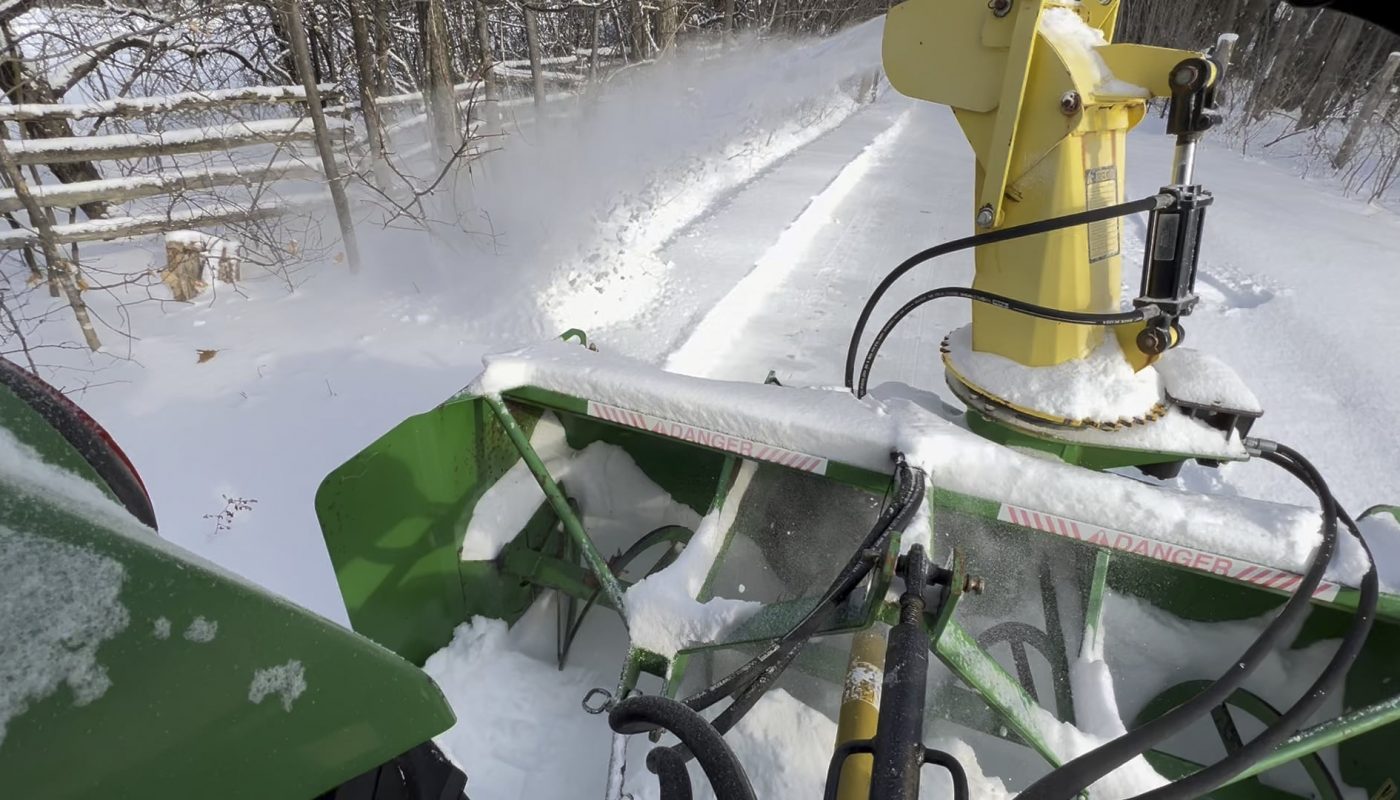
The way the snow comes out
SEO-Optimized Article: The Fascinating Science of How Snow Forms and Falls
Title: How Does Snow Form? The Magical Process of Snowfall Explained
Meta Description: Discover the mesmerizing science behind how snow forms, from atmospheric conditions to unique snowflake structures. Learn why snowflakes fall and what makes each snowfall unique!
Introduction: The Wonder of Winter’s Signature
Snow transforms landscapes into winter wonderlands, but few people understand the intricate journey snowflakes take before reaching the ground. Known scientifically as solid precipitation, snow is far more complex than frozen rain. This article breaks down the atmospheric magic behind how snow forms, falls, and creates those picture-perfect scenes.
The Science of Snow Formation: It Starts in the Clouds
Snow begins its life in clouds, where temperature, humidity, and atmospheric pressure combine to create ice crystals. Here’s how it works:
-
Nucleation:
Tiny particles like dust, pollen, or pollution act as “nucleation sites” for water vapor to freeze around. This process occurs when temperatures drop below freezing (0°C/32°F). -
Crystal Growth:
As more water vapor condenses onto the nucleus, hexagonal ice crystals form. Humidity and temperature determine the crystal’s shape—from delicate dendrites (star-shaped) to needles or columns. -
Aggregation:
Crystals collide and stick together, forming snowflakes. Larger flakes often result from moist, warmer air (-10°C to 0°C).
Why Do Snowflakes Have Unique Shapes?
No two snowflakes are identical due to slight variations in their journey through the atmosphere:
- Temperature Changes: Shifts in air layers alter crystal formation.
- Humidity Levels: Higher moisture creates more complex branches.
- Wind Patterns: Flakes tumble through different conditions, sculpting asymmetrical designs.
Fun Fact: Most “classic” six-sided snowflakes form between -12°C and -18°C (10°F to 0°F).
From Clouds to Ground: How Snowflakes Fall
Snowflakes don’t simply plummet—they descend gently due to their low density and air resistance. The journey includes:
-
Gravity’s Pull:
Once flakes grow heavy enough, gravity pulls them toward Earth. -
Melting and Refreezing:
If flakes pass through warmer air layers, they may partially melt, becoming sleet or freezing rain. If cold air persists, they stay intact. -
Ground Temperatures:
Snow accumulates if surface temperatures are at or below freezing. Otherwise, it melts upon landing.
Types of Snowfall and Their Impact
Not all snow is the same! Weather conditions create distinct types:
- Fluffy Powder: Forms in very cold, dry air (common in mountains).
- Wet Snow: Sticky and dense, created near freezing temps—perfect for snowballs!
- Graupel: Soft, opaque pellets formed when supercooled water coats ice crystals.
- Blizzards: High winds and heavy snow reduce visibility to near zero.
Did You Know? Snowfall rates depend on cloud thickness and updraft strength. Intense storms can drop 2–5 cm (1–2 inches) per hour!
FAQs About Snow Formation
Q1: Why is snow white?
A: Snow reflects all light wavelengths due to its intricate crystal surfaces, creating a white appearance.
Q2: Can it snow above freezing?
A: Yes! If the air layer near the ground is cool enough, snowflakes can survive brief exposure to temperatures slightly above 0°C.
Q3: How does “lake-effect snow” work?
A: Cold air moving over warmer lake water absorbs moisture, leading to heavy snowfall downwind (e.g., near the Great Lakes).
Conclusion: Nature’s Frozen Artistry
Next time you witness snowfall, remember the extraordinary journey each flake makes—from microscopic ice crystals to breathtaking winter scenes. Understanding how snow forms not only deepens our appreciation for nature but also helps us prepare for its impacts, from avalanches to snow-day bliss!
Actionable Tip: Track snowfall forecasts using apps like Weather.gov or AccuWeather to plan winter activities safely!
Target Keywords:
- How snow forms
- Process of snowfall
- Snowflake formation
- Types of snow
- Why snowflakes are unique
Optimization Tips:
- Use keywords in headers and body text.
- Link to authoritative sources (e.g., NOAA, Nature journals).
- Include high-ranking long-tail phrases like “what causes heavy snowfall.”
This article blends scientific accuracy with engaging storytelling to rank for snow-related searches while answering common user questions. Let me know if you’d like edits or deeper dives into specific sections! ❄️