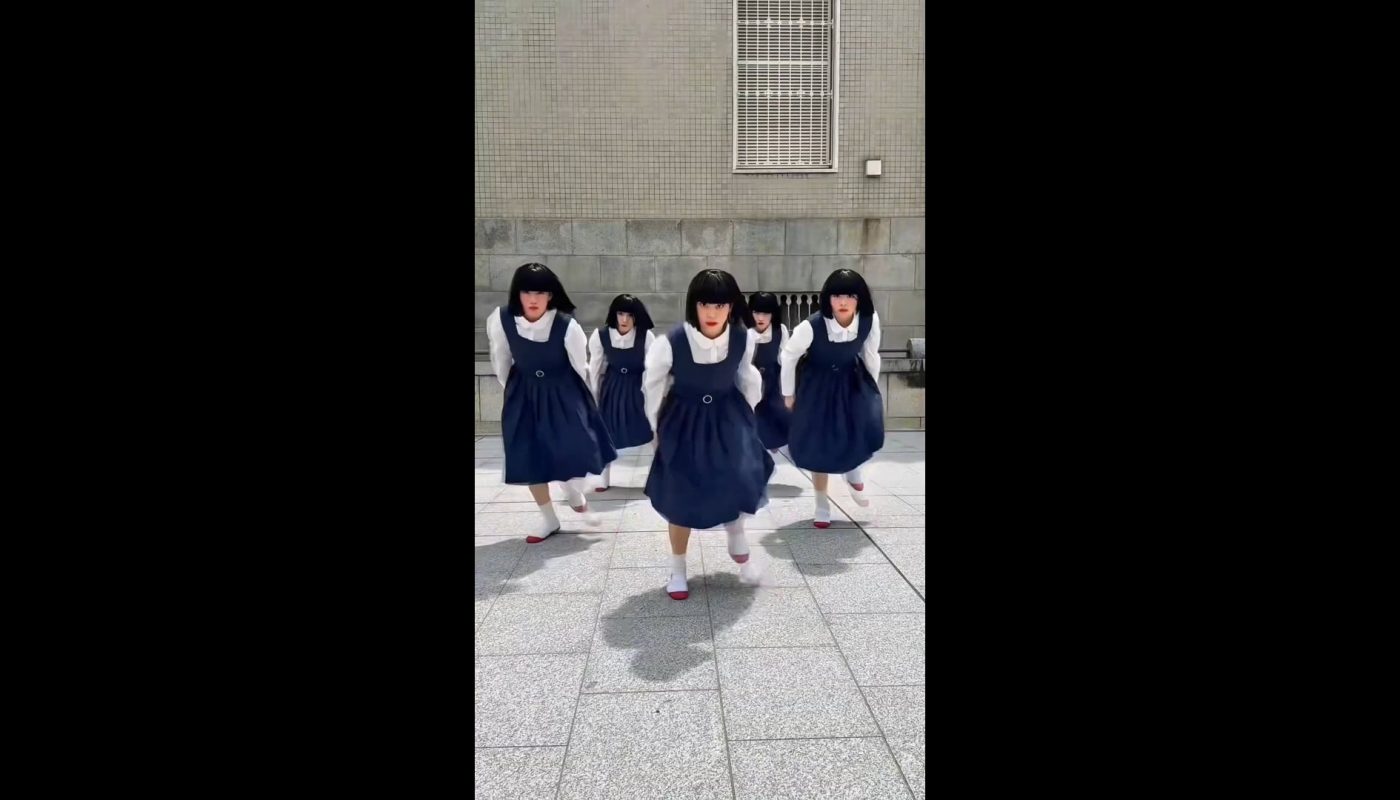
The way they dance
Title: The Way They Dance: How Movement Tells Our Stories, Shapes Culture & Connects Humanity
Meta Description: Explore the universal language of dance—how movement expresses emotion, preserves tradition, bridges communities, and reveals the depths of human connection.
URL Slug: /the-way-they-dance
Introduction
Dance is humanity’s silent symphony—a primal form of expression that transcends language, geography, and time. From the ceremonial hula of Hawaii to the frenetic footwork of flamenco in Spain, the way people dance tells stories of joy, sorrow, rebellion, and belonging. But dance is more than just movement: it’s a cultural fingerprint, a social glue, and even a window into our psychology. In this deep-dive, we explore what dance reveals about who we are.
Why We Dance: The Science of Rhythm and Expression
Dance isn’t just art—it’s biology. Research shows humans are hardwired to respond to rhythm, with our brains releasing dopamine when we sync our movements to music. Evolutionary anthropologists believe dance served as a tool for social bonding in early human tribes, fostering trust and cooperation. Today, studies confirm that:
- Group dance reduces stress (via endorphin release).
- Synchronized movement builds empathy (even among strangers).
- Freestyle dance boosts creativity by activating neural pathways linked to improvisation.
Dance, in its essence, is a celebration of our bodies’ ability to communicate what words cannot.
The Cultural Tapestry of Dance: Rituals, Rebellion & Identity
Every culture dances, but no culture dances the same. The way a community moves reflects its history, values, and struggles:
1. Sacred Dance: Prayers in Motion
- Hawaiian Hula: Once banned by missionaries, hula preserves indigenous mythology through swaying hips and hand gestures.
- Sufi Whirling: Turkish dervishes spin in trance-like circles to achieve spiritual transcendence.
2. Social Dance: Breaking Barriers
- Argentine Tango: Born in marginalized Buenos Aires neighborhoods, this sultry dance became a global symbol of passion.
- Hip-Hop: Emerging from 1970s Bronx block parties, it gave voice to Black and Latino youth through breaking, popping, and locking.
3. Protest Dance: Movement as Resistance
- South African Pantsula: A high-energy style forged during apartheid to defy oppression.
- Ukrainian Folk Dance: Revived during the 2022 war to assert national identity.
The Body Doesn’t Lie: What Dance Reveals About Personality
Psychologists note that an individual’s dance style often mirrors their temperament:
- Extroverts tend to make bold, expansive movements.
- Introverts may favor subtle, fluid gestures.
- Competitive dancers exhibit precision and control (think ballet or ballroom).
- Freestylers often prioritize emotional authenticity over technique.
Even in everyday settings—like a wedding dance floor—people unconsciously reveal their confidence, inhibitions, or playfulness through movement.
Dance as Social Glue: Building Connection in a Divided World
In an era of digital isolation, dance floors remain sacred spaces for authentic connection. Consider:
- Festival Culture: EDM fans move en masse to pulsing beats, creating temporary communities.
- Ballroom Culture: LGBTQ+ voguing houses offer chosen families and safe self-expression.
- Flash Mobs: Strangers unite in choreographed spontaneity, sparking joy in public spaces.
As choreographer Twyla Tharp said, “Dance is the only art where we ourselves are the material.”
The Future of Dance: TikTok, AI, and Beyond
Technology is reshaping dance’s evolution:
- TikTok Challenges: Viral dances democratize fame (e.g., Renegade, Savage).
- AI Choreography: Tools like MotionFlow generate moves based on music algorithms.
- Virtual Reality: Users attend digital dance classes or concerts from home.
Yet, the core remains unchanged: the human need to move, share, and feel alive.
Conclusion: Dance as the Universal Dialect
Whether it’s a toddler’s joyful wiggle or the precise formations of a Bollywood epic, dance is humanity’s shared heartbeat. It preserves heritage, challenges norms, heals trauma, and—above all—reminds us that bodies in motion are bodies empowered. So next time you see someone dance, watch closely: their movement is a story waiting to be understood.
Call to Action:
Ready to explore your own dance story? Sign up for a local class, join a cultural workshop, or simply turn up the music and let your body lead. Dance isn’t about perfection—it’s about participation.
Keywords for SEO:
dance styles, cultural dance traditions, benefits of dancing, psychology of dance, dance and mental health, hip-hop history, social connection through dance, dance as protest, future of dance.
Image Alt Text Suggestions:
- “Maasai warriors jumping in traditional Kenyan dance”
- “Flamenco dancer in vibrant red dress”
- “Group street dancers performing synchronized hip-hop moves”
Internal Linking Opportunities:
- Link to “History of Hip-Hop Culture” article.
- Link to “Top 10 Traditional Dances Around the World” guide.
This article blends storytelling, science, and cultural insights to rank for evergreen dance-related queries while appealing to readers’ emotional and intellectual curiosity. 🌍💃🕺