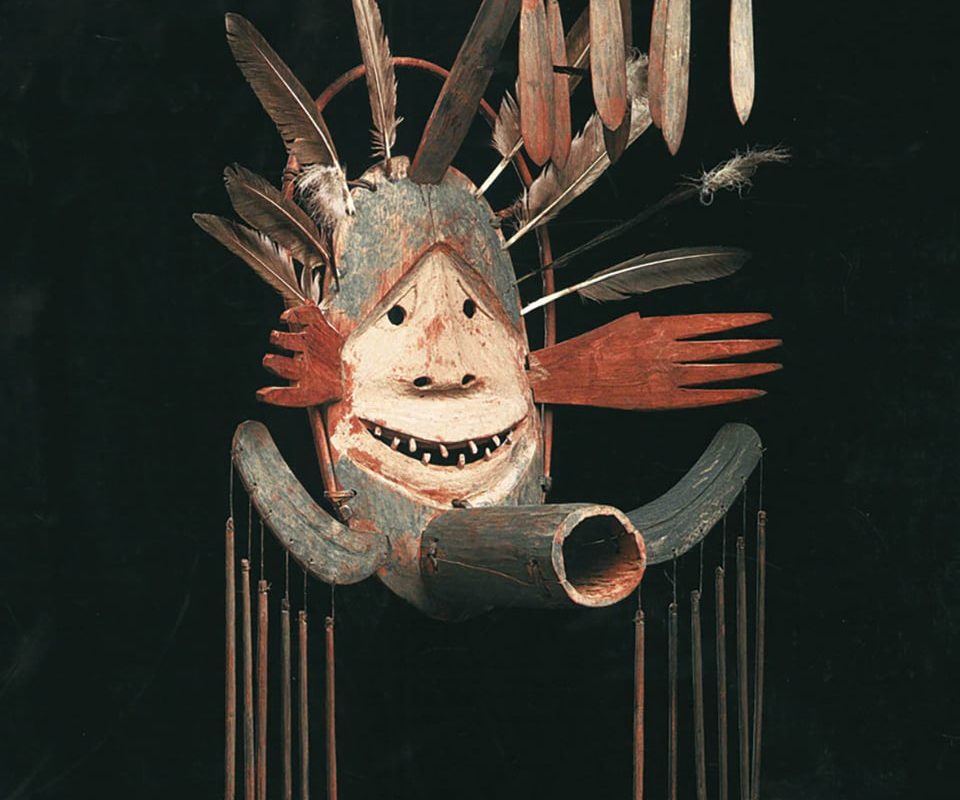
These are Yupʼik masks. Hauntingly beautiful ceremonial handcrafted masks worn by the indigenous Yupʼik people of Alaska.
H1: Hauntingly Beautiful: The Sacred Art of Yupʼik Ceremonial Masks
Introduction:
Deep in the heart of Alaska, the Yupʼik people have preserved an artistic tradition that embodies their deep spiritual connection to the land, ancestors, and unseen forces of the cosmos. Yupʼik ceremonial masks—hauntingly beautiful, intricate, and imbued with ancestral wisdom—are more than art. They are sacred vessels of storytelling, ritual, and cultural identity. For centuries, these handcrafted masterpieces have played a pivotal role in dances, ceremonies, and communal healing, making them among the most captivating examples of Indigenous Alaskan heritage. In this article, we explore the history, symbolism, and enduring legacy of Yupʼik masks.
H2: The Spirit Behind the Mask: Purpose and Cultural Significance
Yupʼik masks (kegginaquq or yaaruin in Yupʼik) are not decorative objects—they are dynamic tools of spiritual communication. Traditionally carved by shamans (angalkuit) or skilled artisans, each mask serves a specific role in ceremonies:
- Honoring the Inua (Spirits): Masks represent animal spirits, ancestors, or natural forces (wind, rivers, the moon). Dancers “become” these beings during rituals, channeling their power.
- Storytelling & Education: Masks bring oral histories and myths to life, teaching moral lessons or explaining the origins of the world.
- Healing & Balance: Ceremonies often seek to restore harmony between humans, animals, and the spirit world, ensuring survival in Alaska’s harsh environment.
H2: Craftsmanship: Nature as a Partner
Every Yupʼik mask is a testament to ingenuity and respect for natural materials. Using locally sourced resources, artists employ techniques passed down through generations:
- Materials: Driftwood, walrus ivory, sealskin, caribou fur, feathers, and vibrant mineral pigments.
- Symbolic Motifs: Common designs include crescent moons (the afterlife), fish (sustenance), and circular patterns symbolizing the cyclical nature of life.
- Asymmetry: Many masks deliberately avoid perfect symmetry, reflecting the Yupʼik belief that imbalance exists in both the human and spirit worlds.
H3: A Dance of Transformation
Masks were traditionally worn during winter ceremonies (the Kelek), where elaborate dances animated the spirits. Afterward, many masks were intentionally destroyed or left to decay, symbolizing the ephemeral nature of spiritual energy.
H2: Surviving Colonization: Loss and Revival
The arrival of missionaries and Western colonizers in the 19th century led to the suppression of Yupʼik ceremonies. Masks were confiscated, sold, or burned as “pagan” artifacts. Thousands ended up in museums worldwide, severed from their cultural roots.
Yet, the Yupʼik people resiliently preserved their traditions. Today, a powerful cultural revival is underway:
- Modern Artisans: Contemporary Yupʼik artists like John Active, Annie Custer, and Drew Michael blend ancestral techniques with new mediums.
- Repatriation Efforts: Tribes are reclaiming masks from museums, reuniting them with descendant communities.
- Educational Outreach: Elders teach mask-making to youth, ensuring knowledge survives for future generations.
H2: Decoding Symbolism: What Do Yupʼik Masks Represent?
Each mask’s imagery holds layered meanings:
- Animal Spirits: Ravens symbolize transformation; bears embody strength; seals represent survival.
- Human-Animal Hybrids: Figures with both human and animal traits signify interdependence with nature.
- The Spirit World: Hollow eyes, elongated faces, and gaping mouths may depict portals to the unseen realm.
Note: Interpretation is deeply personal—elders emphasize that outsiders should avoid oversimplifying their meanings.
H2: Where to Experience Yupʼik Masks Today
- Museums: The Alaska State Museum (Juneau) and Yupiit Piciryarait Cultural Center (Bethel) house significant collections.
- Festivals: The Cama-i Dance Festival (Bethel) celebrates Yupʼik dance, music, and mask artistry every spring.
- Ethical Purchasing: Support Yupʼik artists directly through cooperatives like Alaska Native Arts Foundation or The Space Between Gallery.
Important: Always verify masks are ethically sourced and artists are fairly compensated.
H3: Frequently Asked Questions (FAQs)
Q: Are Yupʼik masks still used in ceremonies today?
A: Yes! While practices evolved, masked dances remain vital in some Yupʼik communities, blending tradition with contemporary life.
Q: How are Yupʼik masks different from Northwest Coast masks?
A: Yupʼik masks are typically lighter, asymmetrical, and emphasize animal spirits over clan crests. They also feature more feathers and fur.
Q: Can non-Yupʼik people own or wear these masks?
A: Ceremonial masks hold sacred power and should not be worn casually. Collectors can own contemporary art pieces but must respect their origins.
Conclusion: Guardians of a Living Legacy
Yupʼik masks transcend aesthetics—they are a bridge between worlds, whispering stories of resilience, ecology, and reverence. As Indigenous artists reclaim their heritage, these haunting creations continue to inspire global audiences. For those who encounter them, the masks offer a profound lesson: beauty and spirit are eternally intertwined.
Call to Action:
Learn directly from the Yupʼik people by visiting Alaska’s cultural centers, supporting Indigenous artists, and listening to their stories. Their art is not a relic—it’s a living heartbeat.
SEO Keywords: Yupʼik ceremonial masks, Yupʼik art, Alaska Native art, indigenous masks, Yupʼik culture, traditional Alaskan artifacts, Yupʼik craftsmanship, spiritual masks, Alaska Native heritage, Native American masks.
Meta Description: Explore the spiritual artistry of Yupʼik ceremonial masks—handcrafted Alaskan treasures embodying myths, nature, and resilience. Discover their history and symbolism.