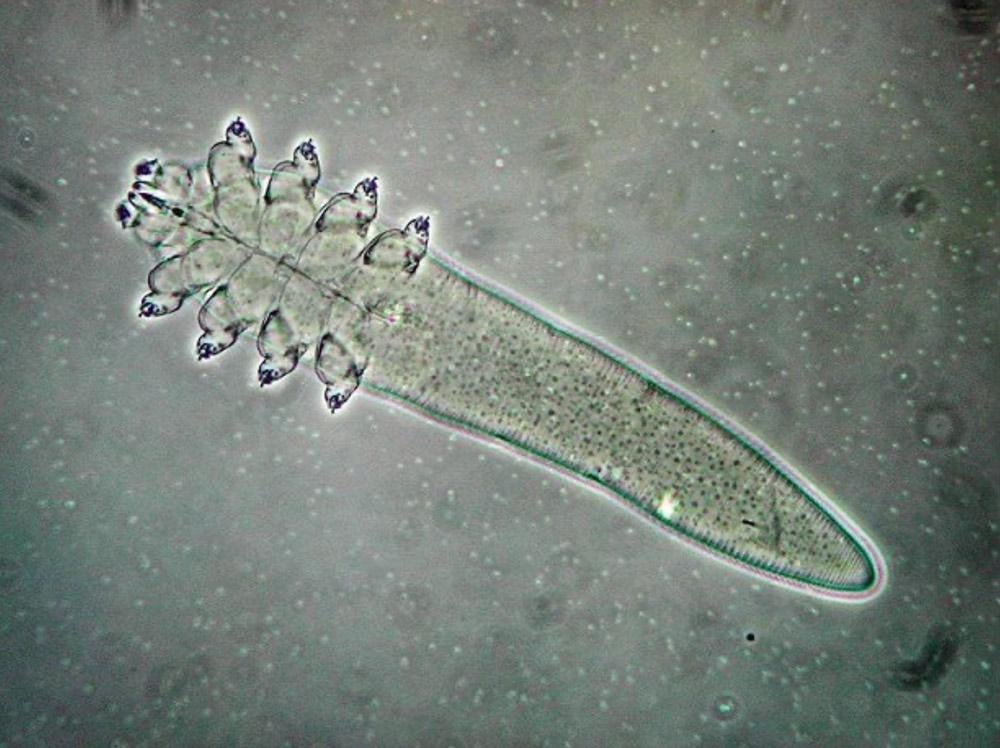
These organisms(Demodex Mites) live on every human face.
Title: Demodex Mites: The Invisible Organisms Thriving on Every Human Face
Meta Description: Did you know your face is home to microscopic mites? Discover how Demodex mites live on human skin, their role in skin health, and when they might cause problems.
Introduction
Imagine hosting thousands of microscopic hitchhikers on your face—without even knowing it. For most humans, this isn’t science fiction—it’s reality. Demodex mites, nearly invisible arachnids related to spiders and ticks, live on the skin of virtually every adult, thriving in hair follicles and sebaceous glands. While the thought might make your skin crawl, these organisms are often harmless. In this article, we explore what Demodex mites are, why they’re so common, and what happens when their presence becomes problematic.
What Are Demodex Mites?
Demodex mites are microscopic parasites (0.1–0.4 mm long) belonging to two primary species:
- Demodex folliculorum: Lives in hair follicles.
- Demodex brevis: Burrows into sebaceous (oil-producing) glands.
Using hook-like claws to anchor themselves, these mites feed on dead skin cells and oils. They’re most abundant in oil-rich areas—like the forehead, cheeks, nose, eyelashes, and scalp—and are passed from person to person through close physical contact.
Fun fact: Infants rarely carry Demodex, but colonization increases with age. By adulthood, nearly 100% of people host these mites, with densities peaking in the elderly.
The Unseen Ecosystem of Your Skin
Demodex mites are part of your skin microbiome, the collection of bacteria, fungi, and microbes that naturally live on your body. Their presence isn’t inherently bad—here’s why:
- Natural Clean-Up Crew: They consume dead skin cells and excess oil, potentially preventing pore buildup.
- Balanced Populations: In healthy skin, mite numbers remain low (just a few per square centimeter).
- Immune System Tolerance: Most people’s immune systems ignore them unless overpopulation occurs.
Despite their eerie reputation, Demodex mites likely coexist with us without causing harm for most of our lives.
When Do Demodex Mites Become a Problem?
Issues arise when mite populations explode due to weakened immunity, poor hygiene, or oily skin. Overgrowth can trigger or worsen conditions like:
1. Demodicosis
- An inflammatory skin reaction causing redness, itchiness, scaly patches, or acne-like bumps.
2. Blepharitis
- Eyelid inflammation from mites clogging eyelash follicles.
3. Rosacea Flare-Ups
- Studies link high Demodex counts to rosacea symptoms, possibly due to bacteria the mites carry.
4. Hair Thinning (Rare)
- Severe infestations may damage hair follicles.
Who’s at risk? People with oily skin, weakened immune systems, or pre-existing skin conditions (e.g., eczema) are more vulnerable.
Could You Have a Demodex Overgrowth? Key Signs
- Persistent facial redness or “rosacea-like” irritation.
- Itchy, crusty eyelashes (especially in the morning).
- Unexplained acne or pustules.
- Rough, scaly skin patches.
If symptoms persist, a dermatologist can diagnose Demodicosis via skin scrapings or tape samples.
Managing Demodex Mites: Prevention and Treatment
For most people, no action is needed! Healthy skin keeps mites in check naturally. If overgrowth occurs, solutions include:
- Prescription Creams/Gels: Ivermectin, metronidazole, or permethrin reduce mite populations.
- Tea Tree Oil: A natural antimicrobial (used in diluted form) may help cleanse mite-prone areas.
- Eyelid Hygiene: For blepharitis, gentle eyelid scrubs with diluted baby shampoo can help.
赴 Avoid Over-Washing: Harsh cleansers strip protective oils, potentially worsening imbalances.
Pro Tip: Replace pillowcases weekly and avoid sharing towels to limit mite transmission.
Myth-Busting Demodex Mites
- ❌ Myth: “Demodex mites cause acne.”
✅ Fact: Overgrowth may worsen inflammation, but bacteria and hormones are primary acne triggers. - ❌ Myth: “You can (or should) eliminate them.”
✅ Fact: Complete eradication is impossible—and unnecessary—for healthy skin.
Conclusion
Demodex mites are a natural part of human biology, living quietly on nearly every face. While their presence might sound alarming, they usually contribute to a balanced skin ecosystem without causing harm. Only in rare cases do they provoke noticeable symptoms, which are treatable with medical guidance. The next time you look in the mirror, remember: you’re never truly alone—but those microscopic roommates are likely just doing their job!
Final SEO Note:
- Target Keywords: Demodex mites, face mites, mites on human skin, Demodex folliculorum, skin microbiome, demodicosis.
- Related Topics: Rosacea, blepharitis, skin microbiome health, microscopic organisms on skin.
Sources: Journal of Medical Entomology, American Academy of Dermatology, National Institutes of Health.
By balancing scientific accuracy with approachable language, this article aims to educate without inciting unnecessary fear. After all, knowledge is power—even when it comes to our invisible companions! 🔍✨