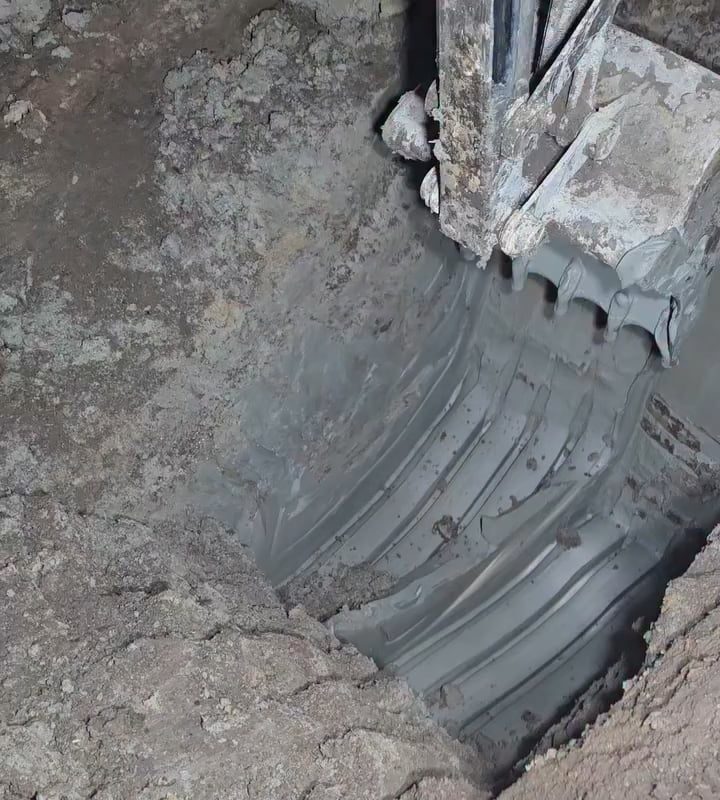
This Excavated Clay
This Excavated Clay: The Hidden Gem in Construction, Art, and Sustainability
When we think of excavated clay, most imagine piles of earth dug up during construction or archaeological digs—often dismissed as mere waste. But what if we told you this humble material holds extraordinary potential? From eco-friendly building projects to artistic masterpieces, excavated clay is making waves as a versatile, sustainable, and cost-effective resource. In this guide, we’ll dive deep into the world of excavated clay, uncovering its uses, benefits, and how you can harness its power.
What Is Excavated Clay?
Excavated clay refers to clay-rich soil removed during construction, landscaping, mining, or archaeological activities. Unlike pure, refined clay sold commercially, excavated clay is often a “wild” or raw material. Its composition varies based on location but typically includes minerals like kaolinite, montmorillonite, and illite, mixed with sand, silt, or organic matter.
Why Is It Gaining Attention?
- Sustainability Focus: Repurposing clay reduces landfill waste.
- Cost Savings: Free or low-cost material for builders and artists.
- Unique Properties: Natural plasticity, durability, and thermal mass.
Top 6 Uses of Excavated Clay
1. Sustainable Building Materials
Excavated clay shines in eco-construction. Techniques like rammed earth and clay bricks use compacted clay to create energy-efficient walls with excellent insulation. Buildings made this way stay cooler in summer and warmer in winter, slashing energy bills.
2. Pottery & Ceramics
Artisans prize wild clay for its earthy textures and unpredictable kiln results. With proper processing (filtering and wedging), excavated clay becomes a free medium for handmade pottery, tiles, or sculptures.
3. Landscaping & Erosion Control
Clay’s low permeability makes it ideal for lining ponds, stabilizing slopes, or creating natural barriers. It’s also used in “clay plasters” for garden walls or outdoor ovens.
4. Wastewater Treatment
Certain clays (e.g., bentonite) absorb toxins and heavy metals. Excavated clay can be repurposed in filtration systems or landfill liners to prevent groundwater contamination.
5. Agriculture & Soil Enhancement
In poor-quality soils, clay improves water retention and nutrient availability. Mix excavated clay into sandy soils to boost fertility for farming or gardening.
6. Geopolymer Innovations
Researchers are transforming low-value excavated clay into geopolymer concrete—a greener alternative to Portland cement that cuts CO2 emissions by up to 80%.
Key Benefits of Using Excavated Clay
- Eco-Friendly: Diverts waste from landfills and lowers carbon footprints.
- Cost-Effective: Saves up to 50% on material costs vs. buying new clay.
- Thermal Efficiency: High thermal mass regulates indoor temperatures naturally.
- Aesthetic Appeal: Offers rustic, earthy finishes for design projects.
How to Source and Test Excavated Clay
Finding Excavated Clay
- Contact local construction sites, quarries, or roadwork crews.
- Search online marketplaces (e.g., Craigslist, Facebook Marketplace) for free “fill dirt.”
- Partner with excavation companies—many pay to dispose of clay and will gladly give it away.
Testing Clay Quality
Before using excavated clay:
- Texture Test: Rub moist clay between your fingers. High-quality clay feels smooth, not gritty.
- Shrink Test: Dry a sample—excessive cracking means high silt/sand content.
- Firing Test (for art): Fire a small piece to check for melting, color, and strength.
Challenges and Solutions
- Impurities: Screen clay through mesh to remove rocks and debris.
- Inconsistent Quality: Blend clays from multiple sources for uniformity.
- Legal Issues: Ensure the clay isn’t contaminated (e.g., with chemicals) before reuse.
Case Study: From Construction Waste to Artisan Treasure
In Asheville, North Carolina, the Clay Revolution Project collaborates with builders to divert excavated clay to local artists. Over 10 tons of clay have been transformed into pottery, reducing landfill fees by $15,000 annually and fueling a vibrant creative economy.
FAQs About Excavated Clay
Q: Can I use excavated clay for drinking water filtration?
A: Only if lab-tested for contaminants—some clays contain harmful heavy metals.
Q: Is excavated clay safe for organic gardening?
A: Yes, after testing for toxins like lead or pesticides.
Q: How do I store excavated clay?
A: Keep it covered and dry to prevent hardening or mold growth.
Conclusion: Unearth the Potential of Excavated Clay
Excavated clay isn’t just dirt—it’s an undervalued resource with endless possibilities. Whether you’re building a sustainable home, crafting pottery, or restoring land, this material delivers economic and environmental wins. By rethinking waste, we can turn excavated clay into a cornerstone of the circular economy.
Ready to dig deeper? Start by reaching out to local excavation teams or artists’ collectives to source your clay today. The earth beneath your feet might just hold your next big project!
Keywords for SEO: Excavated clay uses, sustainable building materials, repurposing construction clay, wild clay pottery, eco-friendly construction, rammed earth clay, geopolymer concrete, clay recycling.