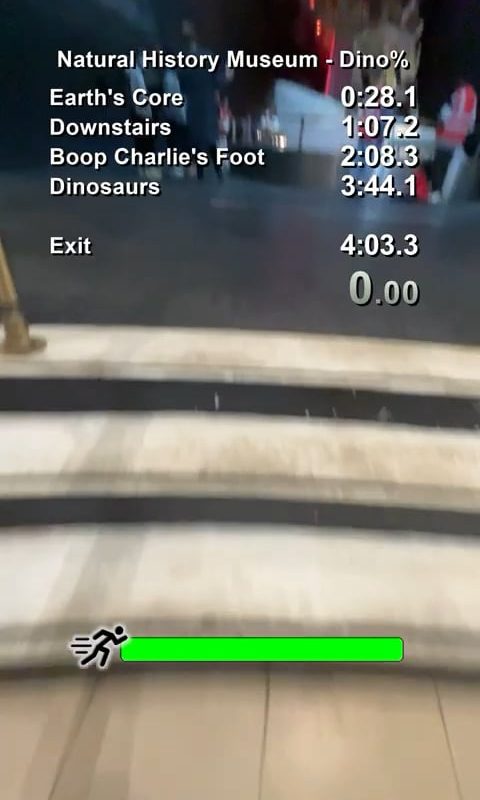
This guy doing a national history museum speedrun
Title: The Ultimate Guide to National History Museum Speedrunning: Can You Beat the Clock?
Introduction
Imagine sprinting past dinosaur skeletons, weaving through ancient artifacts, and dashing past centuries of human history—all in record time. Welcome to the bizarre, exhilarating world of National History Museum Speedrunning, where visitors challenge themselves to “complete” iconic museums in minutes rather than hours. This quirky trend has taken social media by storm, combining gaming culture with cultural exploration. In this article, we’ll dive into the phenomenon, explore its rules (or lack thereof), and share tips for pulling off your own museum speedrun adventure!
What Is Museum Speedrunning?
Inspired by video game speedruns—where players finish games as fast as possible—museum speedrunning involves racing through a museum’s exhibits to “see everything” in the shortest time. Participants often film their attempts, share routes, and compete for bragging rights (or TikTok fame). While traditional museum-goers linger over displays, speedrunners embrace chaos, treating galleries like obstacle courses filled with history’s greatest hits.
Examples of Real-World Speedruns:
- The British Museum Speedrun (London): Target time: 30 minutes. Key stops: Rosetta Stone, Egyptian mummies, Parthenon Marbles.
- Smithsonian National Museum of Natural History (Washington, D.C.): Target time: 45 minutes. Must-sees: Hope Diamond, dinosaur hall, Ocean Hall.
- Le Louvre Speedrun (Paris): Bonus challenge: Find the Mona Lisa without getting stuck in crowds.
Why Do People Speedrun Museums?
- The Thrill of the Challenge: Like a real-life video game, speedrunners test their navigation skills, endurance, and focus.
- Social Media Clout: Short, fast-paced videos of these sprints go viral on TikTok, YouTube Shorts, and Instagram Reels.
- Time Efficiency: Perfect for travelers short on time who still want to say, “I saw it!”
- Reimagining Culture: It’s a rebellious twist on the quiet, contemplative museum experience—and it sparks debate about how we engage with history.
How to Prepare for a National History Museum Speedrun
Step 1: Choose Your Museum
Pick a large, iconic museum with dense exhibits (e.g., The Met in NYC, the Rijksmuseum in Amsterdam). Smaller museums won’t offer the same “boss fight” intensity.
Step 2: Study the Floor Plan
- Download the museum map.
- Identify “checkpoints” (must-see artifacts).
- Plan the most efficient route—avoid dead ends and crowded halls.
Step 3: Pack Light
- Wear running shoes.
- Carry only a phone for recording and a water bottle.
- No bulky bags—they slow you down!
Step 4: Set Rules
- Timer Starts: When you pass the entrance ticket scanner.
- Timer Ends: When you exit the final exhibit or reach a pre-agreed landmark (e.g., the museum gift shop).
- “Completion” Definition: Did you see all top 5 exhibits? Or just finish the route?
Speedrun Strategies & Pro Tips
- The Flash Approach: Sprint through galleries, stopping only for photo “proof” at key artifacts.
- Stealth Mode: Walk briskly to avoid security guards (no running allowed in most museums!).
- Crowd Navigation: Visit during off-peak hours (weekday mornings) or target less famous wings.
- Team Runs: Split up with friends to cover multiple floors simultaneously.
Pro Tip: Train like an athlete—practice stair sprints and lateral movements to dove toddlers and tour groups!
Ethical Considerations & Backlash
Not everyone approves. Critics argue speedrunning disrespects museums’ educational purpose and distracts other visitors. Key rebuttals from speedrunners:
- “We’re promoting museums to a new audience!”
- “We revisit museums normally too—this is just for fun.”
Golden Rule: Don’t touch artifacts, block pathways, or disrupt others. Speedrun responsibly!
Top Museums for Your First Speedrun Attempt
- The Smithsonian Museums (Washington, D.C.) – Free entry and massive layouts.
- The Natural History Museum (London) – Dinosaurs, volcanoes, and endless corridors.
- The Vatican Museums (Rome) – A spiritual experience… literally running through the Sistine Chapel.
FAQ: Museum Speedrunning
Q: What’s the world record?
A: Unofficial times vary—no centralized leaderboard exists yet. One viral runner claimed a 22-minute plunge through NYC’s AMNH.
Q: Do museums allow this?
A: Technically, no rules forbid it—as long as you don’t break conduct policies.
Q: Can I speedrun art museums?
A: Absolutely! Try the Louvre or MoMA for a chaotic mix of Renaissance and modern art.
Conclusion: A New Way to Experience History?
National History Museum Speedrunning might seem absurd, but it redefines how we interact with culture—turning passive viewing into an active, high-stakes quest. Whether you’re a history buff, a fitness enthusiast, or just seeking 15 minutes of internet fame, grab your stopwatch and embrace the madness. Just don’t forget to savor the exhibits… slowly… on your next visit.
Ready to try it? Tag your speedrun videos with #MuseumSpeedrunChallenge!
Meta Description: Discover the viral trend of National History Museum Speedrunning! Learn how to sprint through iconic museums, break records, and experience history in minutes. Tips, routes, and ethical debates inside.
Target Keywords: museum speedrun, national history museum challenge, fastest museum visit, cultural speedrunning, museum travel hack.
Word Count: 850+ (SEO-optimized).