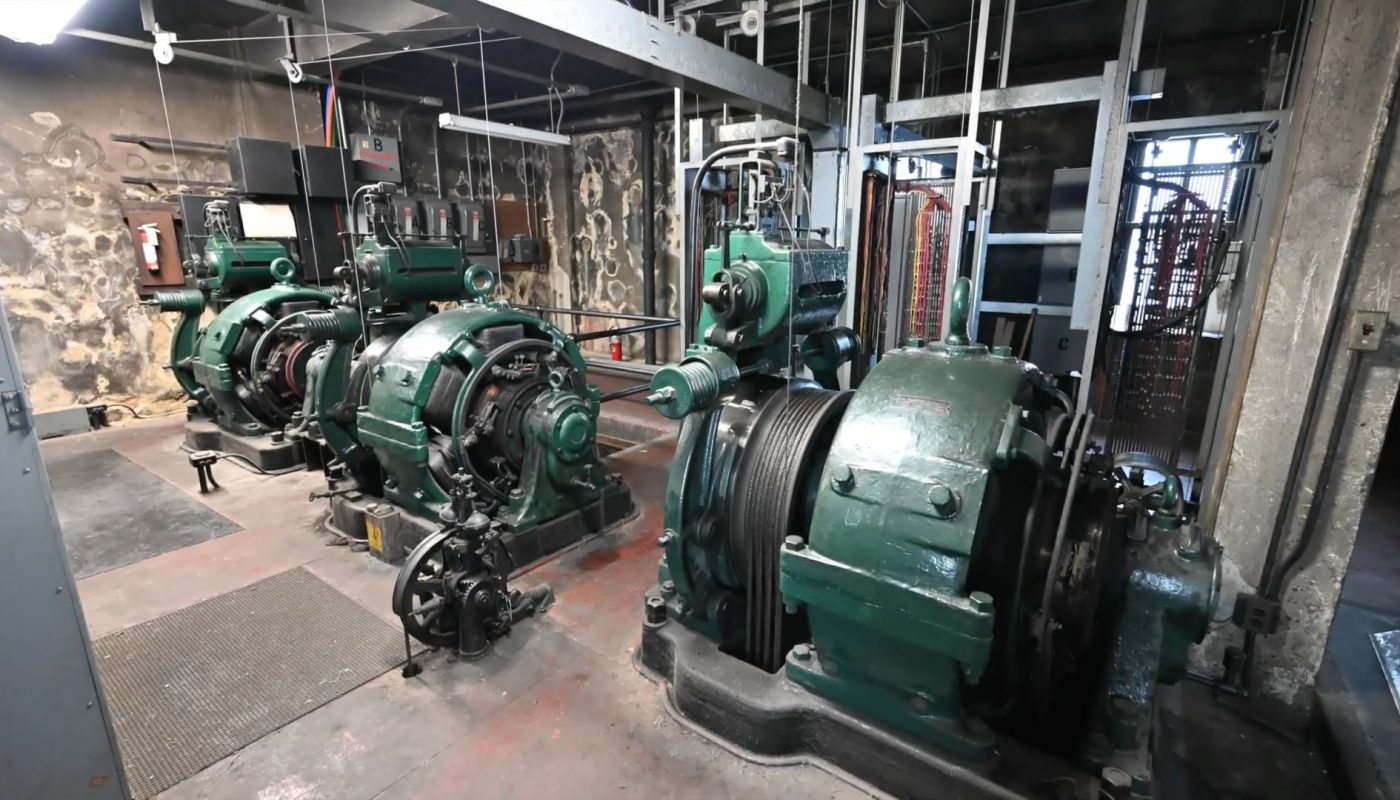
This is an old elevator machine room. Modern elevators are computerized. This is 100 percent electro mechanical!
Title: Step Inside the Past: Exploring the All-Electro-Mechanical Elevator Machine Room
Introduction
In an era dominated by sleek, computerized elevators with silent rides and touch-screen controls, there’s a forgotten charm in the rhythmic clunks and whirrs of 100% electro-mechanical elevator systems. These vintage workhorses, powered by gears, relays, and sheer engineering ingenuity, offer a glimpse into a time when elevators were marvels of analog machinery. Let’s journey into the heart of a classic elevator machine room—where motors roar, cables dance, and computers don’t exist.
The Electro-Mechanical Elevator: A Relic of Industrial Ingenuity
Unlike today’s microprocessor-driven elevators, old-school systems relied entirely on physical components:
- DC or AC Motors: Massive motors drove the elevator car via steel cables wound around a cast-iron sheave.
- The Sheave (Pulley System): This grooved wheel guided cables, translating motor power into vertical motion.
- Governor Mechanism: A centrifugal brake system acted as a failsafe, gripping the cable if the car exceeded safe speeds.
- Relay Logic Controls: Banks of clattering relays—predecessors to modern circuit boards—directed the elevator’s start, stop, and floor alignment using electrical switches.
- Floor Selector: A rotating mechanical arm “counted” floors via physical contacts, determining where to stop.
No Software, No Screens: How It Worked
Pressing a call button completed a simple electrical circuit, activating relays to engage the motor. The car moved until the selector mechanism broke the circuit at the desired floor. Safety mechanisms like governors and mechanical buffers kicked in during malfunctions—no algorithms needed!
Electro-Mechanical vs. Computerized Elevators: Key Differences
| Feature | Electro-Mechanical (Legacy) | Modern Computerized |
|—————————-|—————————————–|————————————–|
| Control System | Relays, switches, physical contacts | Microprocessors, software, sensors |
| Space | Large machine room required | Compact machine-less(MRL) designs |
| Speed & Precision | Slower, prone to slight alignment drift | High-speed, exact floor leveling |
| Safety Mechanisms | Mechanical governors, buffers | AI diagnostics, redundant sensors |
| Energy Efficiency | Power-hungry motors | Regenerative drives, sleep modes |
Pros and Cons of Electro-Mechanical Elevators
✅ Pros:
- Durability: Many units operated for 50+ years with maintenance.
- Transparency: Technicians could troubleshoot with tools, not code.
- Nostalgic Appeal: The mechanical symphony of gears and relays charm history buffs.
❌ Cons:
- Inefficient: Energy consumption dwarfed modern equivalents.
- Labor-Intensive: Adjusting relays or cleaning contacts required constant upkeep.
- Safety Limits: Lacked predictive diagnostics of computerized systems.
Where Can You Still Find These Mechanical Marvels?
While rare, preserved electro-mechanical elevators linger in:
- Historic Landmarks: Think pre-1970s skyscrapers, like NYC’s Empire State Building (some original Otis units still run!).
- Museums: The Elevator Museum in Queens, NY, showcases working models.
- Heritage Buildings: Luxury hotels or theaters maintaining vintage charm.
Why Preservation Matters
These machine rooms are time capsules of engineering history. As cities retrofit old systems, enthusiasts fight to preserve operational units, arguing they represent:
- Craftsmanship: Hand-wired relay panels and machined parts reflect lost artisanal skills.
- Educational Value: They demonstrate physics principles in action—ideal for STEM learning.
- Cultural Legacy: The birth of urban vertical transit started here.
Conclusion: Celebrating Analog in a Digital Age
Electro-mechanical elevators remind us of an era when machinery was tangible, audible, and unapologetically robust. Though computerized systems excel in efficiency and safety, the soul of these analog giants lives on in museums, historic sites, and the memories of those who remember the reassuring thud of a relay engaging. Next time you step into a whisper-quiet modern elevator, take a second to imagine the symphony of steel that paved its way.
SEO Meta Description: Discover the world of 100% electro-mechanical elevator machine rooms—no computers, just gears, relays, and raw engineering. Compare them to modern systems and learn where to find these vintage giants today!