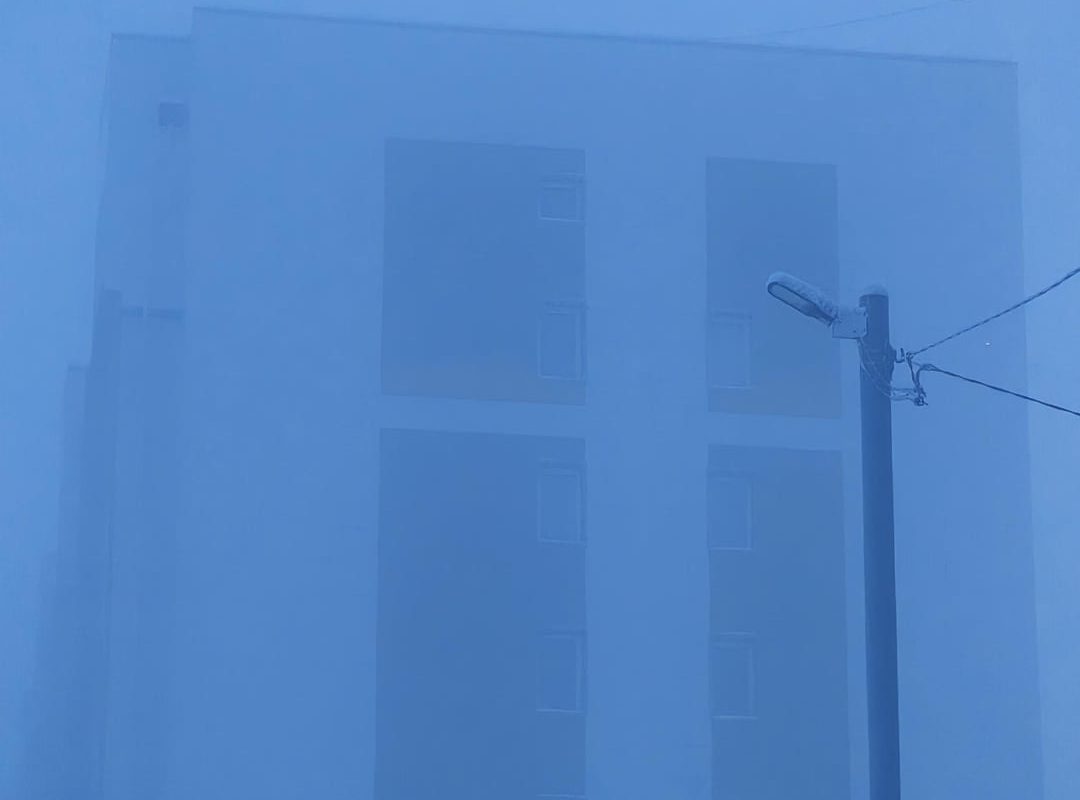
This is how – 50° looks like in Russia.
Title: This Is How -50°C Looks Like in Russia: Survival, Landscapes & Daily Life in Extreme Cold
Meta Description: Discover what -50°C looks like in Russia—from surreal icy landscapes to survival strategies. Learn how locals adapt and thrive in the world’s coldest inhabited regions.
Introduction: The Unimaginable Cold of Russia’s Deep Freeze
When temperatures plummet to -50°C (-58°F) in Russia, the environment transforms into something otherworldly. Siberia and the Far East, home to some of Earth’s coldest inhabited places, become realms where boiling water freezes mid-air, eyelashes ice over in seconds, and daily life defies logic. In this article, we explore what -50°C truly looks like in Russia, revealing how humans, wildlife, and infrastructure endure one of nature’s harshest extremes.
1. The Visual Spectacle: A World Frozen Solid
Frost Smoke & Ice Fog
At -50°C, the air itself crystallizes. “Frost smoke” rises from rivers as liquid water evaporates into subzero air, creating an eerie haze. Ice fog—a dense mist of suspended ice crystals—blurs visibility, turning streets into ghostly tunnels.
Frozen Breath & Instant Ice
Human breath freezes instantly, coating scarves and hats with a crunchy layer of ice. Tossing boiling water into the air creates a mesmerizing cloud of ice crystals, a popular experiment among locals and brave tourists.
Extreme Frost Heave
Buildings, roads, and trees become encased in thick layers of frost. Metal contracts and snaps, while tires harden into brittle rocks. Cars left unheated won’t start, and batteries drain in minutes.
2. Daily Life at -50°C: How Russians Adapt
The Siberian Dress Code
Locals rely on layered fur and reindeer skin boots (like untal or valenki), paired with face masks to prevent frostbite. Exposed skin can freeze in under 5 minutes, making scarves, goggles, and thick mittens non-negotiable.
Homes Built for the Cold
Houses sit on deep pilings to avoid thawing permafrost. Triple-glazed windows, Soviet-era centralized heating (teplo), and constant wood-burning stoves keep interiors liveable. Pipes are wrapped in insulation or built above ground to avoid ruptures.
School Closures & Work Limits
Schools close when temperatures hit -52°C, and outdoor work halts. Yet, in remote villages like Oymyakon (“Pole of Cold”), children still attend class until -50°C—proof of Russia’s hardened resilience.
3. Survival Strategies: Food, Transport & Health
Diets High in Fat & Protein
Locals consume calorie-dense foods like raw frozen fish (stroganina), fatty meat, and hot soups to fuel their bodies. Vitamins from reindeer milk and berries combat scarce fresh produce.
The Battle Against Frostbite
Hospitals stock frostbite salves and warm IV fluids. Alcohol is avoided—it creates a false sense of warmth but accelerates heat loss. Instead, hot tea and moving slowly outdoors are lifesavers.
Transportation Trials
Cars run 24/7 to prevent engine freezes. In Yakutsk, diesel trucks use winter-grade fuel, while block heaters warm engines overnight. Many prefer public transport like heated buses over risking a stalled vehicle.
4. Unique Phenomena & Wildlife Adaptations
Nature’s Extreme Reactions
- Frozen Rivers: Ice grows thick enough to drive trucks across the Lena River.
- Silent Forests: Trees crack loudly as sap freezes (“frost quakes”).
- Winter Horses: Yakutian horses grow thick fur and dig through snow to graze.
Human Ingenuity
Outdoor markets still operate—vendors sell frozen fish stiff as boards and dairy products pre-sliced with axes. Smartphones die instantly, so locals rely on old-school Nokia brick phones known to withstand the cold.
5. Visiting Russia’s Coldest Regions: Tips for Travelers
When to Go (Or Avoid) -50°C
December–February offers the deepest cold. For a milder -30°C experience, visit Yakutsk in March during the “Cold Festival,” featuring ice sculptures and reindeer races.
Essential Gear Checklist
- Clothing: Thermal base layers, a Canada Goose-level parka, fur-lined accessories.
- Gadgets: Camera insulation, external battery packs.
- Mindset: Patience—planes delay, phones fail, but the adventure is unforgettable.
FAQs About -50°C in Russia
Q: Has Russia ever hit -71°C?
A: Yes! Oymyakon recorded -71.2°C (-96°F) in 1924—the coldest temperature in the Northern Hemisphere.
Q: Do people live normally in -50°C?
A: “Normally” is relative. Life adapts: shorter outdoor time, modified routines, and community reliance.
Q: What happens if you go outside unprepared?
A: Frostbite within minutes, hypothermia risk, and potentially fatal consequences. Never underestimate the cold!
Conclusion: Beauty in the Brutal
-50°C in Russia is a testament to human tenacity and nature’s power. Beyond the hardship, there’s stark beauty—diamond-dust snowfall, silent forests, and a culture forged by ice. For those daring enough to witness it, this extreme cold offers a glimpse into a world where survival is an art form.
Explore Further: Plan a trip to Yakutsk, delve into documentaries like “Happy People: A Year in the Taiga,” or follow Instagram photographers capturing Siberia’s frozen wonders.
Target Keywords:
- -50°C in Russia
- surviving Siberian winter
- coldest places in Russia
- Oymyakon winter life
- extreme cold travel tips