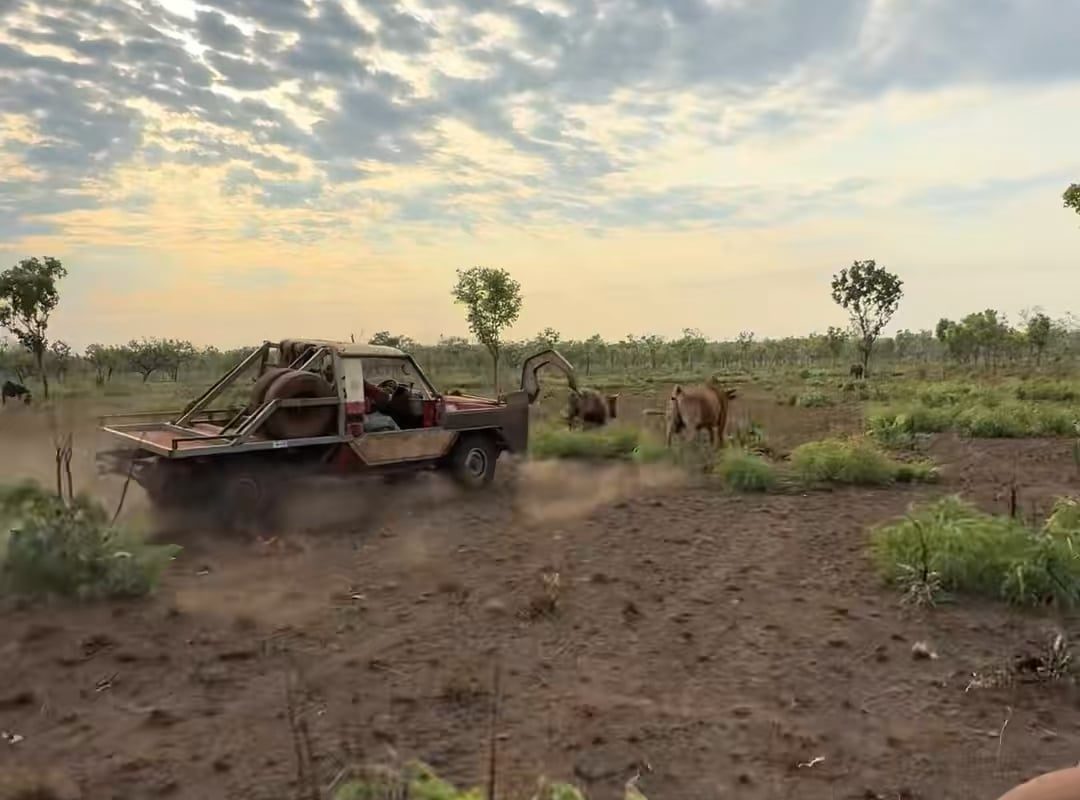
This is how Australian cowboys catch a bull
Meta Description: Discover the rugged skills and traditions behind how Australian cowboys (stockmen) expertly catch bulls in the Outback—a blend of horsemanship, strategy, and bush ingenuity.
Slug: australian-cowboys-catch-bull
How Australian Cowboys Catch a Bull: The Art of Outback Mustering
When you picture “cowboys,” your mind might leap to the American Wild West—but Australia has its own legendary wranglers: stockmen. These rugged horsemen are the backbone of the country’s cattle stations, where mustering (rounding up livestock) is a way of life. One of their most challenging tasks? Catching a bull.
Unlike scripted rodeos, Australian bull catching is a practical skill born from necessity. Bulls are strong, unpredictable, and often aggressive, making them a formidable challenge in the vast, unforgiving terrain of the Outback. Here’s how it’s done, step by step.
Step 1: Mustering with Purpose
Before catching a bull, stockmen must first locate and herd it. Australia’s cattle stations are enormous—some larger than small European countries—so mustering often involves helicopters, motorbikes, utes (pickup trucks), or working dogs to gather scattered livestock.
Key tactics:
- Horseback expertise: Stockmen ride highly trained stock horses bred for agility in rough terrain.
- Helicopter support: In remote areas, choppers are used to spot and push bulls toward ground teams.
- Working dogs: Kelpies or Border Collies help control the bull’s movement with strategic barking and nipping.
Step 2: Isolation and Control
Once the bull is separated from the herd, the real work begins. Bulls are territorial and defensive, so stockmen use quiet, deliberate movements to avoid provoking a charge.
Crucial tools and techniques:
- The Drafting Yard: Bulls are guided into sturdy timber or steel pens designed to hold large, powerful animals.
- Horse-and-Rider Teamwork: A stockman’s horse is trained to “block” a bull’s path, using its body to steer the animal without direct contact.
- The Waddy or Stock Whip: Traditional tools used to direct movement (not for striking the bull).
Step 3: Physical Restraint (When Needed)
If the bull needs medical care or transport, gentle restraint is critical. Australian stockmen avoid rodeo-style roping—instead, they rely on low-stress handling methods:
- Drop-floor crush: A narrow chute that safely restrains the bull for tagging or vet checks.
- Tail Twisting: A skilled handler may grip the bull’s tail near the base and twist it upward, triggering a nerve reflex that temporarily immobilizes the animal. This is a last-resort tactic and requires experience to avoid harm.
- Teamwork: Multiple stockmen work together to corner the bull and apply restraints calmly.
The Role of Bush Ingenuity
Australia’s cowboys are famed for their improvisation. In remote areas, they might repurpose fence posts, ropes, or even motorcycle tires to create temporary restraints. But modern technology is also part of the mix—drones now scout terrain, and GPS collars track rogue bulls across thousands of acres.
Safety First: Respect for the Animal
Australian stockmen prioritize animal welfare. A stressed bull risks injury, meat quality loss, or “bruising” (which lowers market value). Quiet persistence and understanding bovine behavior are essential skills passed down through generations.
Myth vs. Reality: No Lassos Here!
Unlike Hollywood’s lasso-swinging cowboys, Australian stockmen rarely rope bulls heads-on. The Outback’s dense scrub and rocky ground make roping impractical—and dangerous. Instead, they rely on patient horsemanship and terrain knowledge to outmaneuver their quarry.
The Legacy Lives On
Bull catching is more than a chore—it’s a cultural emblem. In events like the Brunette Downs Races or Mount Isa Rodeo, stockmen showcase their skills for crowds, honoring traditions dating back to the 1800s. Yet on real cattle stations, this work remains vital to Australia’s $18 billion beef industry.
Final Thought
Catching a bull the Australian way isn’t about brute force. It’s a dance of strategy, respect, and adaptability—a testament to the stockmen who thrive where the Outback demands resilience.
Keywords for SEO: Australian cowboys, stockmen, bull catching, Outback mustering, cattle station, working dogs, stock horses, drafting yard, low-stress handling, Australian beef industry.