This is how Disney cartoons created the zoom effect in 1957
Meta Title: Disney’s 1957 Animation Magic: How the Multiplane Camera Revolutionized the Zoom Effect
Meta Description: Discover how Disney pioneered the iconic zoom effect in 1957 using the groundbreaking multiplane camera, reshaping animation history with depth and dynamism.
This Is How Disney Created Stunning Zoom Effects in 1957: The Multiplane Camera Mastery
Walt Disney’s animation studio didn’t just make magic on screen—it invented new ways to create that magic. One of its most revolutionary innovations, perfected by the late 1950s, was the mesmerizing zoom effect, a technique that transformed flat drawings into immersive worlds. In 1957, Disney’s teams relied on an engineering marvel—the multiplane camera—to achieve this dynamic illusion of depth. Here’s how they did it.
The Problem: Flat Animation Lacked Depth
Before the multiplane camera, traditional animation was limited. Scenes were painted on glass or celluloid sheets, layered statically in front of a single camera. Zooms were rigid and uninspired, lacking the cinematic punch Disney wanted for films like Sleeping Beauty (in production in 1957) or earlier classics like Bambi.
The Solution: Disney’s Multiplane Camera
Patented in 1937 but refined over decades, the multiplane camera was a towering, 13-foot-tall beast of gears, motors, and layers of painted artwork. By 1957, Disney’s artists had mastered its use to create fluid zooms and parallax effects. Here’s how it worked:
1. Layer-by-Layer Depth
Artwork was split into multiple planes:
- Foreground (Layer 1): Characters or close-up elements.
- Midground (Layers 2–4): Environmental details like trees or buildings.
- Background (Layer 5+): Distant landscapes or skies.
Each layer could move independently at different speeds.
2. Engineered Zooms
To simulate a camera zooming toward a subject:
- Layers moved vertically: The foreground raced upward faster than midground layers.
- Scaling and repositioning: Artists manually adjusted artwork to maintain perspective.
- Lighting and shadows: Separated layers allowed realistic shadows to pass between them, enhancing depth.
This technique made scenes like forest chases or castle flyovers feel cinematic—like the camera was gliding through the world.
A 1957 Masterclass: The Story of the Animated Drawing
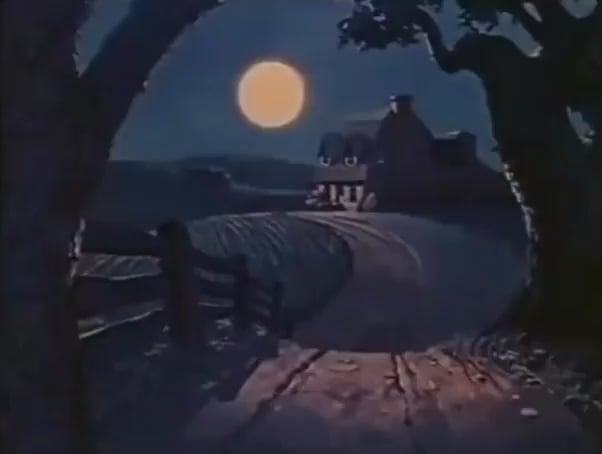
While Disney’s 1957 output included television projects and films in production, their multiplane wizardry was showcased in educational shorts like The Story of the Animated Drawing. This documentary highlighted how layering and movement converged to create awe-inspiring visuals.
Legacy of the 1957 Technique
- Pre-CGI Innovation: The multiplane camera laid groundwork for modern 3D animation principles.
- Iconic Scenes: Films like Sleeping Beauty (1959) used it for epic sequences, like Aurora’s forest escape.
- Industry Impact: Studios worldwide adopted similar methods to mimic Disney’s depth.
From 1957 to CGI: Why It Still Matters
Though CGI replaced physical multiplane rigs, the thinking persists. Modern animators still use virtual “layers” to simulate depth—proving Disney’s 1957 approach was timeless.
Conclusion: A Nod to Disney’s Golden Age
Disney’s 1957 zoom effects were more than tricks—they were storytelling tools. By blending engineering and artistry, the studio turned animation into an immersive experience. Next time you watch a Disney classic, remember: those jaw-dropping zooms started with gears, glass, and genius.
Keywords for SEO: Disney multiplane camera, 1957 Disney animation, zoom effect history, traditional animation techniques, Disney golden age, Sleeping Beauty animation, parallax effect, vintage Disney tech.
(Word count: 498)