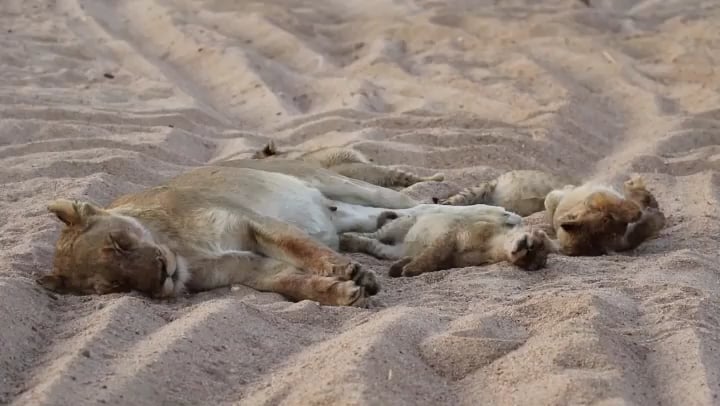
This is how lion cubs look after a milk feast
Title: This is How Lion Cubs Look After a Milk Feast: Cuteness Overload & Wild Insights
Introduction
Lion cubs are nature’s ultimate babies—fluffy, playful, and irresistibly adorable. But few sights rival the heartwarming scene of a lion cub after a milk feast. With round bellies, sleepy eyes, and milk-mustached faces, these tiny predators transform into furry little balls of contentment. In this article, we’ll explore what lion cubs look like after nursing, why milk is critical for their survival, and the fascinating behaviors they display post-meal.
The Milk Feast: A Vital Ritual for Survival
Lion cubs rely entirely on their mother’s milk for the first 6–8 weeks of life. A typical feeding session (or “milk feast”) lasts 5–10 minutes, during which cubs jostle for position to nurse. The high-fat, nutrient-rich milk fuels their rapid growth—cubs gain nearly 1 pound (~0.5 kg) per week in their earliest days!
Post-Feeding Cuteness: 5 Telltale Signs of a Milk-Full Cub
After a satisfying meal, lion cubs exhibit unmistakable physical and behavioral traits:
-
The Milk Belly
Their once-flat tummies balloon into perfectly rounded domes, stretching their spotted fur. This “food baby” silhouette is a universal sign of a well-fed cub. -
Milk Mustaches & Messy Faces
Nursing is a messy affair! Cubs often sport white milk dribbles around their mouths, whiskers, and chins—nature’s cutest beauty marks. -
Wobbly Waddling
Full bellies make cubs clumsy. They shuffle on unsteady legs, sometimes tripping over their own paws or siblings in a milk-drunk daze. -
Instant Nap Mode
Milk triggers a sleepy hormone surge. Post-feeding, cubs collapse into furry puddle heaps, often mid-play, dreaming of their next meal. -
Contented Purring
While lions don’t purr like domestic cats, nursing cubs emit soft grunts and hums—a sign of comfort and safety.
Life After the Milk Coma: Growth & Development
Milk feasts aren’t just adorable—they’re essential for milestones:
- Weeks 2–4: Eyes fully open (blue at first, turning amber by 3 months).
- Week 4: First wobbly steps and playful pounces.
- Month 3: Introduction to meat (via regurgitated food from the pride).
- Month 6: Weaning begins, but cubs may nurse occasionally up to a year.
Why Milk Matters: Survival of the Fuzziest
Lion milk is a superfood—packed with antibodies, fat, and protein. It strengthens cubs’ immune systems and helps them survive harsh savanna conditions. Without it, cub mortality rates soar to 80% in the wild.
The Role of the Pride
In lion society, communal care is key. While the mother is the primary milk source, other lionesses (often aunts or sisters) may nurse orphaned cubs—a behavior called allosuckling. This ensures no cub goes hungry, even if tragedy strikes.
FAQs About Lion Cub Milk Feasts
Q: How often do lion cubs nurse?
A: Newborns nurse every 2–3 hours, day and night.
Q: Can you tell cubs apart by their spots?
A: Yes! Their spotted fur (which fades with age) is unique—like a fingerprint.
Q: Do male lions care for cubs?
A: Rarely. Males protect the pride but leave feeding to lionesses.
Q: How long do cubs stay with their mother?
A: Up to 2 years, learning to hunt and navigate social dynamics.
Conclusion: A Fleeting Phase of Fuzzy Bliss
The sight of a lion cub after a milk feast—belly bloated, face smudged, eyes heavy—captures a fragile, joyous moment in the wild. As these cubs grow into apex predators, their milk-drunk days remind us of the tender side of nature’s fiercest cats.
Love lion cubs? Share this article or tag a fellow wildlife enthusiast! 🌍🦁