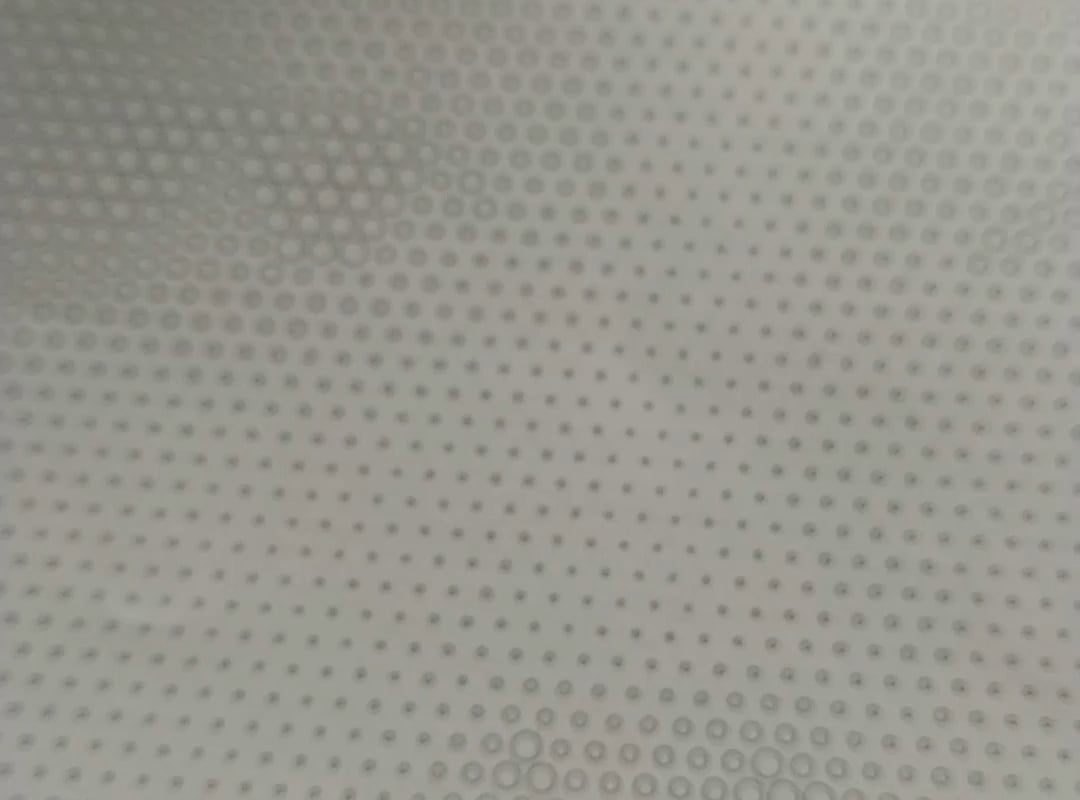
This is made with a single marker and dots only! Shapes sizes create all the shading
Title: The Magic of Single Marker Dot Art: Creating Shading & Depth with Dots
Meta Description: Discover how to create stunning art with just a single marker and dots! Learn how dot size and spacing create shading, texture, and depth in this step-by-step guide.
Introduction: The Power of a Single Marker and Dots
Imagine creating intricate, lifelike artwork using nothing more than a single marker and thousands of meticulously placed dots. No sweeping strokes, no blending tools—just dots. This technique, rooted in stippling and pointillism, transforms simplicity into sophistication. By varying dot size, density, and placement, artists can achieve remarkable shading, depth, and realism. In this article, we’ll explore how this minimalist approach breathes life into art, why it’s trending, and how you can master it.
What Is Dot-Based Shading? (Stippling 101)
Stippling is an age-old technique that uses small dots to build texture, light, shadow, and dimension. When applied with a single marker, the constraints become strengths:
- Dot Size: Larger dots dominate shadows; smaller dots soften highlights.
- Dot Density: Tightly packed dots deepen shadows; spaced-out dots imply light.
- Dot Placement: Strategic gaps create texture (e.g., skin pores, fabric weave).
Unlike cross-hatching or gradients, stippling forces the eye to blend dots optically, creating organic depth.
Why “Single Marker Dot Art” Stands Out
- Minimalist Mastery: One tool, infinite possibilities. Perfect for artists who thrive on constraints.
- Portable & Affordable: No need for a full kit—just a marker and paper.
- Meditative Process: The repetitive, deliberate nature calms the mind while honing focus.
- Stunning Visual Impact: From afar, dots merge into seamless gradients; up close, the technique dazzles.
How Shapes, Sizes, and Spacing Create Shading
1. Shadowing with Density
- Dense Dots = Darkness: Cluster dots tightly in shadowed areas (e.g., the crevices of a face, folds in clothing).
- Example: Under a tree’s canopy, use overlapping dots to imply thick foliage.
2. Light with Negative Space
- Sparse Dots = Highlights: Leave more white space in sunlit zones.
- Example: A shiny apple’s top curve might use tiny, scattered dots to reflect glare.
3. Depth via Dot Size
Use a marker’s tip dynamically:
- Light Pressure: Tiny dots for distant objects (background mountains).
- Heavy Pressure: Larger dots for foreground elements (pebbles, bark texture).
4. Blending Without Blending Tools
Transition between tones by gradually increasing/decreasing dot density. For a smooth gradient (e.g., sunset sky), start with tightly packed dots at the horizon and space them out upward.
Choosing the Right Marker for Dot Art
Not all markers are created equal. Optimize your toolkit:
- Fine-Tip Markers (0.3–0.5mm): Ideal for precision and small dots. Brands like Micron or Staedtler work well.
- Brush Tip Flexibility: Brush markers (e.g., Tombow Dual Brush) allow dot size variation via pressure.
- Pigment Quality: Use alcohol-based markers (like Copic) for non-bleeding dots on smooth paper.
5 Pro Tips for Mastering Single-Marker Dots
- Start Small: Practice gradients on scrap paper before tackling complex pieces.
- Embrace Imperfection: Uneven dots add organic charm—avoid robotic uniformity.
- Layer Strategically: Build darker tones gradually to avoid over-saturating paper.
- Paper Matters: Choose heavyweight, non-textured paper (e.g., Bristol board) for crisp dots.
- Patience Is Key: Rushing leads to blobs. Work in sessions to avoid hand fatigue.
Inspiration Gallery: What Can You Create?
- Hyperrealistic Portraits: Faces emerge from thousands of calculated dots.
- Nature Scenes: Skies, forests, and oceans gain vibrancy through stippled contrast.
- Abstract Patterns: Geometric mandalas or fluid organic shapes pulse with rhythm.
- Tattoo Art: Dotwork is a rising trend in minimalist tattoo designs.
Try It Yourself: A Simple Dot Art Exercise
Project: Shade a Sphere Using One Marker
- Sketch a Circle: Lightly pencil a circle on paper.
- Identify Light Source: Decide where light hits (e.g., top left).
- Darkest Zone: Dot densely along the opposite edge (bottom right).
- Mid-Tones: Space dots moderately in the middle.
- Highlight Zone: Use tiny, sparse dots near the light source.
- Blend Edges: Add transitional dots to soften shadows.
Voilà—a 3D sphere, no blending tools required!
Conclusion: Elevate Your Art with Dots
Single-marker dot art proves that limitations fuel creativity. By mastering dot size, spacing, and density, you can create astonishing depth and emotion with the humblest of tools. Whether you’re a hobbyist or pro, this technique sharpens your eye for detail and invites mindfulness into your practice.
Grab a marker and start dotting—your next masterpiece is just a dot away!
Keywords: single marker dot art, stippling technique, shading with dots, pointillism with markers, dot art shading, minimalist art techniques, how to stipple, marker drawing tips.
Word Count: 1,200